
Cryptocoryne Wendtii Care Guide: Substrate, Low Light, and Crypt Melt Recovery
Learn how to grow Cryptocoryne wendtii in low-light planted aquariums, prevent crypt melt, choose root fertilizers, and propagate daughter plants.

By Sharon Ben-Moshe, Founder, The Aquarium Adviser
Published / 4 min read
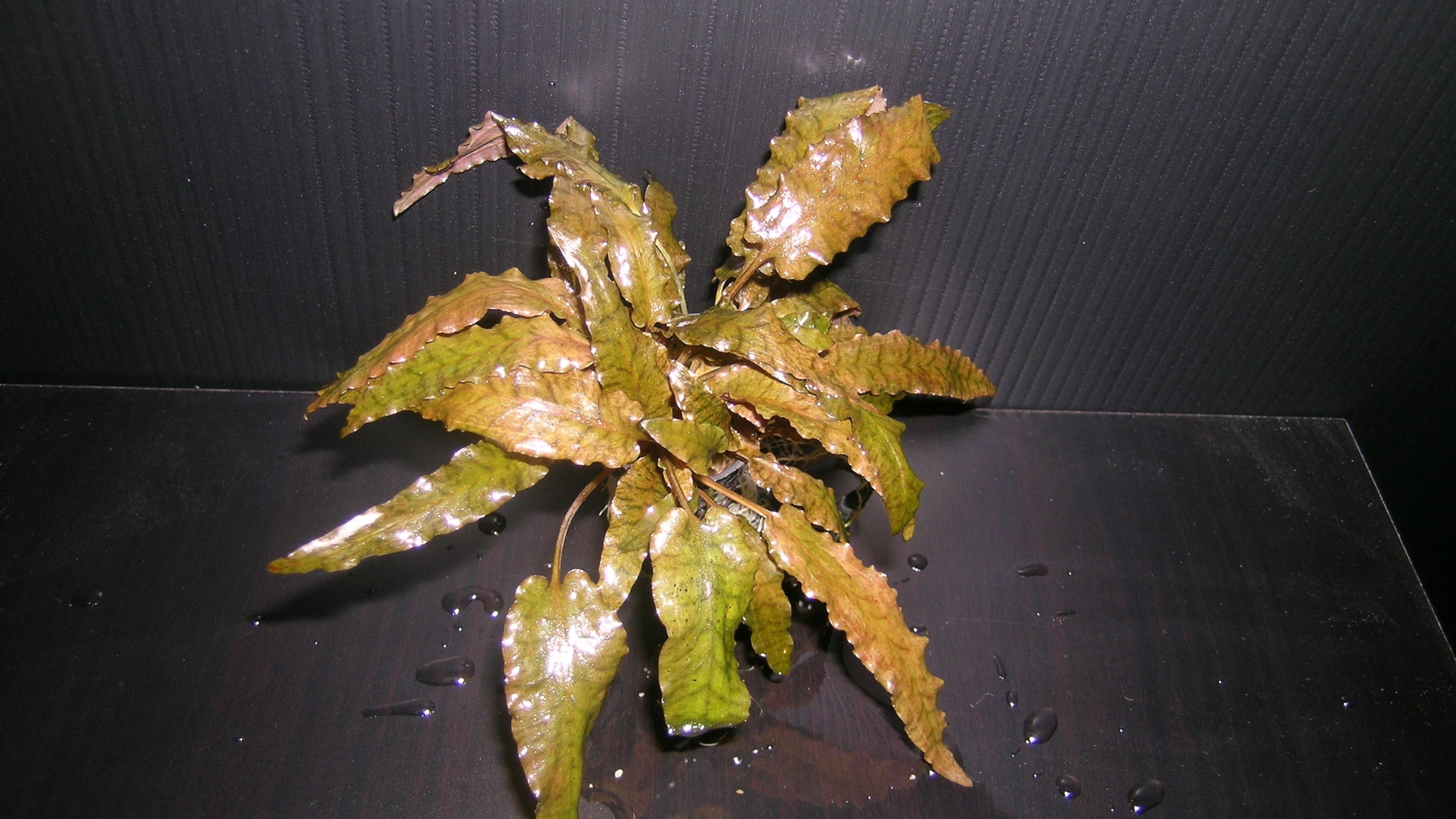
Photo by photo: S. Tanaka on Wikimedia Commons (Public domain)
In this guide
Cryptocoryne wendtii is an adaptable, shade-tolerant aquatic plant native to the stream beds and forest waterways of Sri Lanka. Available in several color morphs, including bronze, green, brown, and red, it serves as a versatile midground fixture in low-tech and high-tech planted aquariums alike. For botanical classification and natural distribution, see the Wikipedia summary on Cryptocoryne wendtii.
Unlike delicate stem plants that require intense lighting and pressurized gas, this species thrives in modest conditions where other plants struggle. However, its specialized physiology means it reacts dramatically to sudden water parameter shifts, leading to the phenomenon known as crypt melt. Understanding its root-feeding habits, lighting thresholds, and biological rhythm allows aquarists to cultivate dense stands that last for years.
Habitat and Water Parameter Requirements
In nature, Cryptocoryne wendtii grows submersed along river margins during the rainy season and emersed on damp mud banks during dry periods. This evolutionary plasticity makes it tolerant of diverse water chemistry in captivity. It handles soft acidic conditions as readily as alkaline hard tap water.
| Parameter | Recommended Range | Ideal Target | Notes |
|---|---|---|---|
| Temperature | 72-82°F (22-28°C) | 75°F (24°C) | Steady temperature avoids winter die-back |
| pH Level | 6.0-7.8 | 6.8-7.2 | Prefers slightly acidic to neutral water |
| General Hardness (GH) | 3-15 dGH | 6-10 dGH | Moderate mineral content aids leaf rigidity |
| Carbonate Hardness (KH) | 1-8 dKH | 3-5 dKH | Baseline buffer prevents sudden pH swings |
| Light Demand | Low to Moderate (15-35 PAR) | 25 PAR | High light flattens leaves; low light elongates stems |
| Carbon Dioxide (CO2) | Optional | 0-15 ppm | Accelerates leaf production if supplied |
While comfortable across a broad temperature envelope, stability matters far more than hitting an exact number. Sudden temperature drops or sharp pH adjustments often trigger systemic leaf shedding. For tips on pairing low-maintenance species, explore our curated list of low light aquarium plants. Crypts also pair well with peaceful bottom dwellers on sandy surfaces, as detailed in our guide on corydoras and gravel.
Substrate, Root Feeding, and Nutrition
Cryptocorynes develop deep, extensive root networks anchored by thick fleshy rhizomes and fibrous feeder roots. They draw the vast majority of their macro and micro nutrients directly from the substrate rather than the open water column. Planting Cryptocoryne wendtii in plain, unfertilized inert gravel without supplemental nutrients leads to stunted leaves, shortened petioles, and pale, translucent stems.
To maintain vigorous growth:
- Active Planted Substrate: Nutrient-rich clay soils (aquasoil) provide the ideal bed, buffering water slightly acidic while supplying iron, potassium, and nitrogen to the root zone. Learn more about media selection in our guide on the best substrate for freshwater aquarium plants.
- Root Tab Supplements: If growing in plain sand or gravel, insert a slow-release root tab capsule containing iron and potassium 1 to 2 inches beneath the plant crown every two to three months.
- Avoid Burying the Crown: When planting, bury the white roots completely into the substrate, but keep the crown (the junction where leaf stems join the rhizome) exposed just above the substrate surface to prevent rot.
- Iron Supplementation: Bronze and red varieties develop deeper, richer earthy tones when provided with bioavailable chelated iron at the root level. Without adequate iron, leaves fade to a washed-out yellowish brown.
Understanding and Recovering from Crypt Melt
Crypt melt is a defensive stress response rather than an infectious disease. When Cryptocoryne wendtii experiences a sudden shift in environment, light intensity, photoperiod, or water hardness, it rapidly sheds its existing leaves. Within forty-eight hours, lush foliage can turn into a gelatinous brown slime that detaches from the stems.
Beginner aquarists often assume the plant has died and throw it away. In reality, the underground rhizome remains healthy and full of stored starches. To recover from a melt event:
- Do not uproot or move the plant. Moving a melting crypt shocks the root system further, destroying remaining energy reserves and delaying new leaf production.
- Siphon away the dissolved leaf mush using a narrow hose during routine maintenance to prevent rotting foliage from spiking ammonia levels. Maintain your regular schedule for how often to do aquarium water changes to keep water pure.
- Keep lighting consistent on a stable six to eight hour photoperiod, following our guidelines for an aquarium light schedule.
- Wait patiently. Within ten to twenty-one days, small green or bronze shoots will emerge from the center of the crown, producing new leaves adapted to your aquarium's specific water chemistry.
Once established, Cryptocoryne wendtii spreads through subterranean runners, producing daughter plants that form a dense, low-growing carpet across your midground. After three to six months without disturbance, a single potted specimen will expand into a self-sustaining colony of eight to twelve independent crowns.
Long-Term Maintenance and Aquascaping Tips
Once your Cryptocoryne wendtii colony establishes its root structure, routine care is straightforward. Avoid rearranging or transplanting established crowns unless necessary, as mature root systems can span twelve inches horizontally through the substrate. When vacuuming the bottom during regular maintenance, gently hover the siphon nozzle above the sand bed around the plant base rather than plunging deep into the root mass. Provide moderate water movement to carry dissolved trace elements across the foliage, complementing the slow, steady feeding happening beneath the soil surface.
Frequently asked questions
Why did my Cryptocoryne wendtii melt into mush after planting?
Crypt melt occurs when changes in water chemistry, light spectrum, or moving shock the plant. The foliage dissolves down to the crown, but the underground rhizome remains alive and will sprout fresh, water-adapted leaves within two to three weeks if left undisturbed.
Does Cryptocoryne wendtii require carbon dioxide (CO2) injection?
No. Cryptocoryne wendtii is a classic low-tech aquatic plant that grows steadily under low to moderate lighting without pressurized CO2. While supplemental CO2 accelerates leaf production, it is completely optional for long-term health.
Can Cryptocoryne wendtii feed from the water column or does it need root tabs?
Crypts are obligate heavy root feeders with extensive root networks. While they absorb trace minerals through leaves, they require nutrient-rich aqua soil or regular root tab fertilizer capsules placed near their root base every 2 to 3 months.
How tall does Cryptocoryne wendtii grow in an aquarium?
It typically reaches 4 to 8 inches (10-20 cm) in height. Under low light, the stems stretch taller toward the surface; under higher light, the plant stays compact and spreads outward along the substrate.
How do you propagate Cryptocoryne wendtii?
Propagate by dividing mature rhizomes or separating natural runner plantlets that emerge adjacent to the mother plant. Snip the connecting subterranean runner with sharp aquascaping scissors once the daughter plant has four leaves and independent white roots.
Related guides
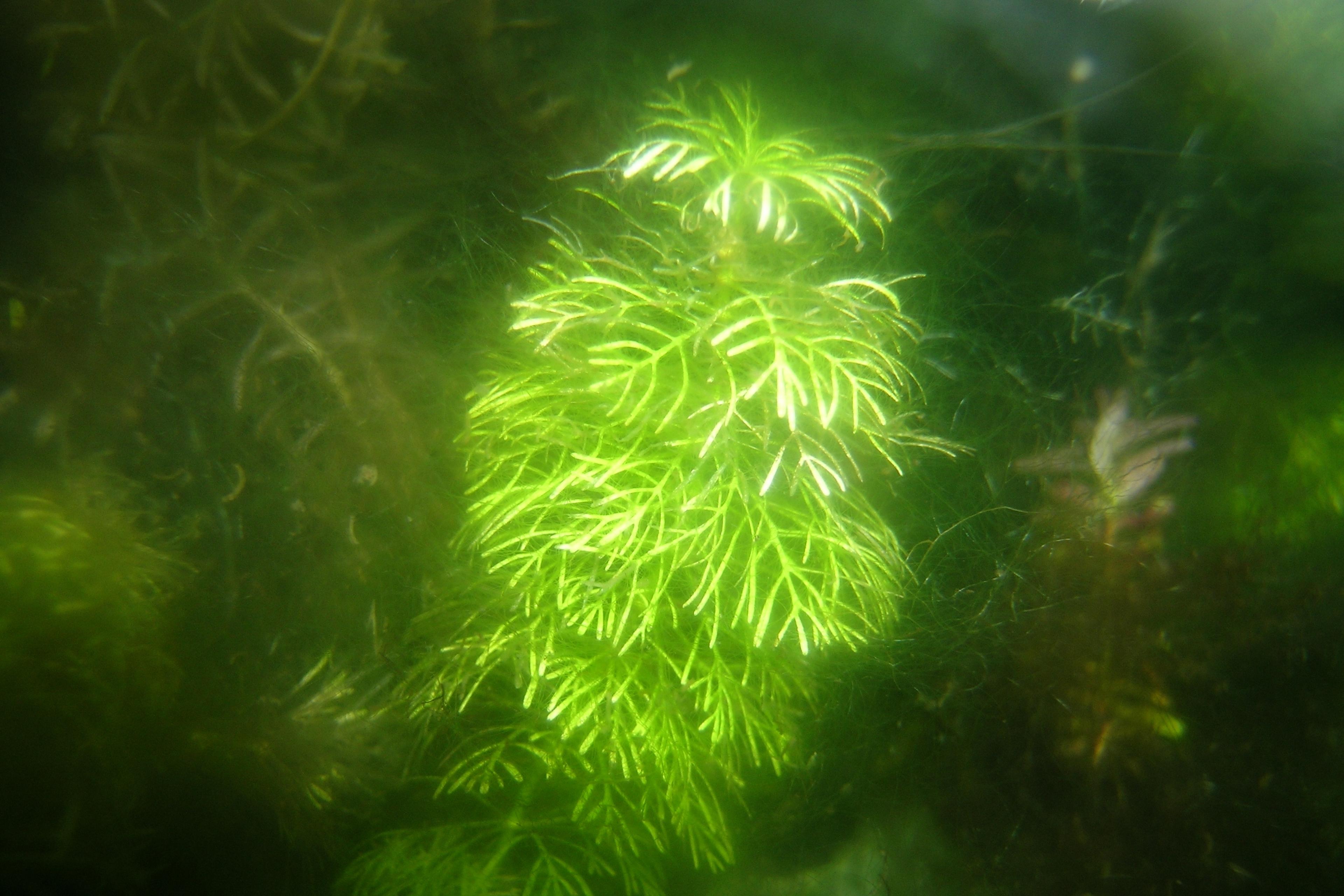
Limnophila Sessiliflora Care: Fast-Growing Background Stem Plant Guide
Learn how to grow Limnophila sessiliflora as an easy alternative to Cabomba, master stem pruning, control rapid growth, and balance low-light nutrients.
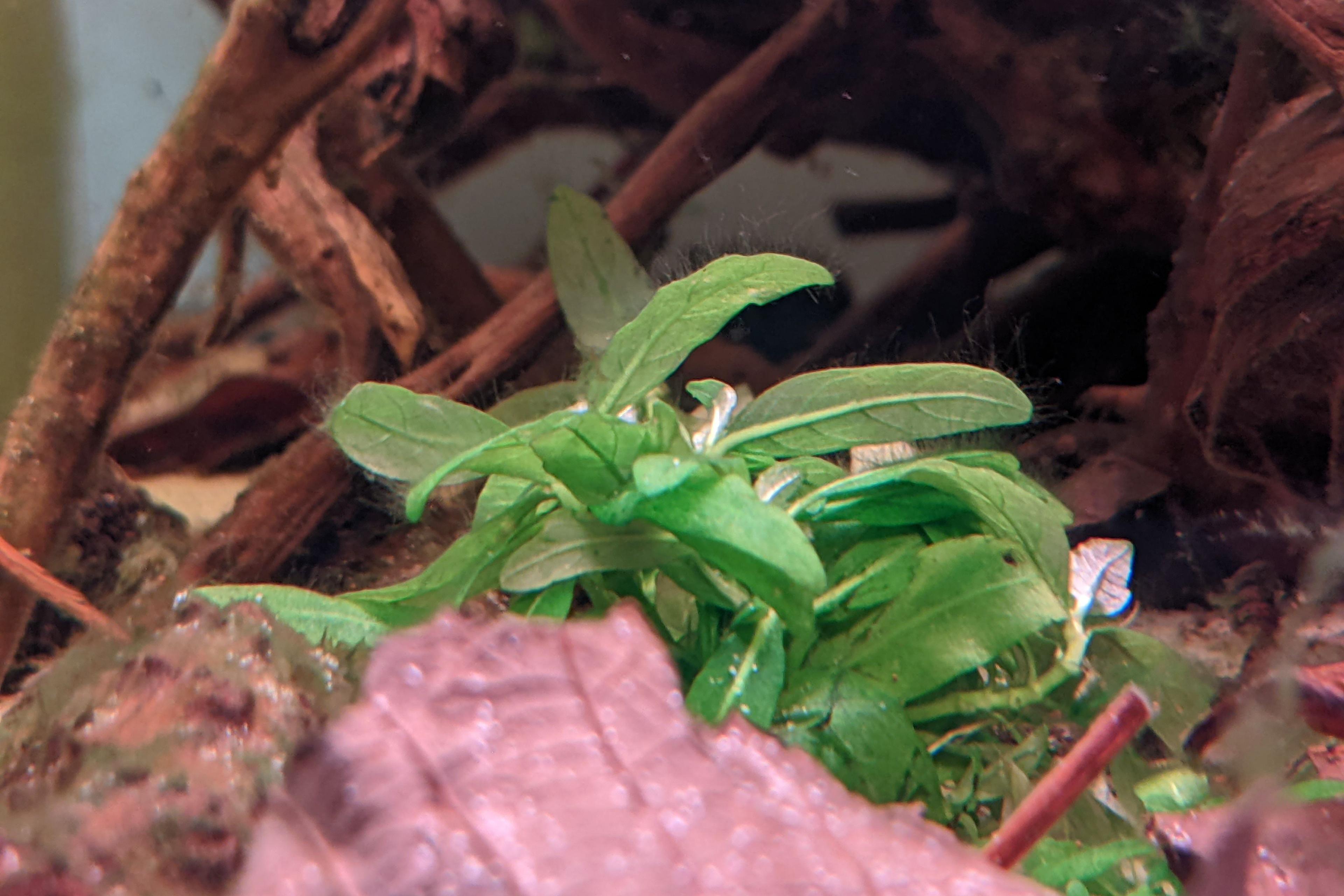
Staurogyne Repens Care: Foreground Carpet Setup, Pruning, and Lighting
Learn how to grow Staurogyne repens as a lush foreground carpet, master horizontal branching through pruning, and provide proper substrate nutrition.
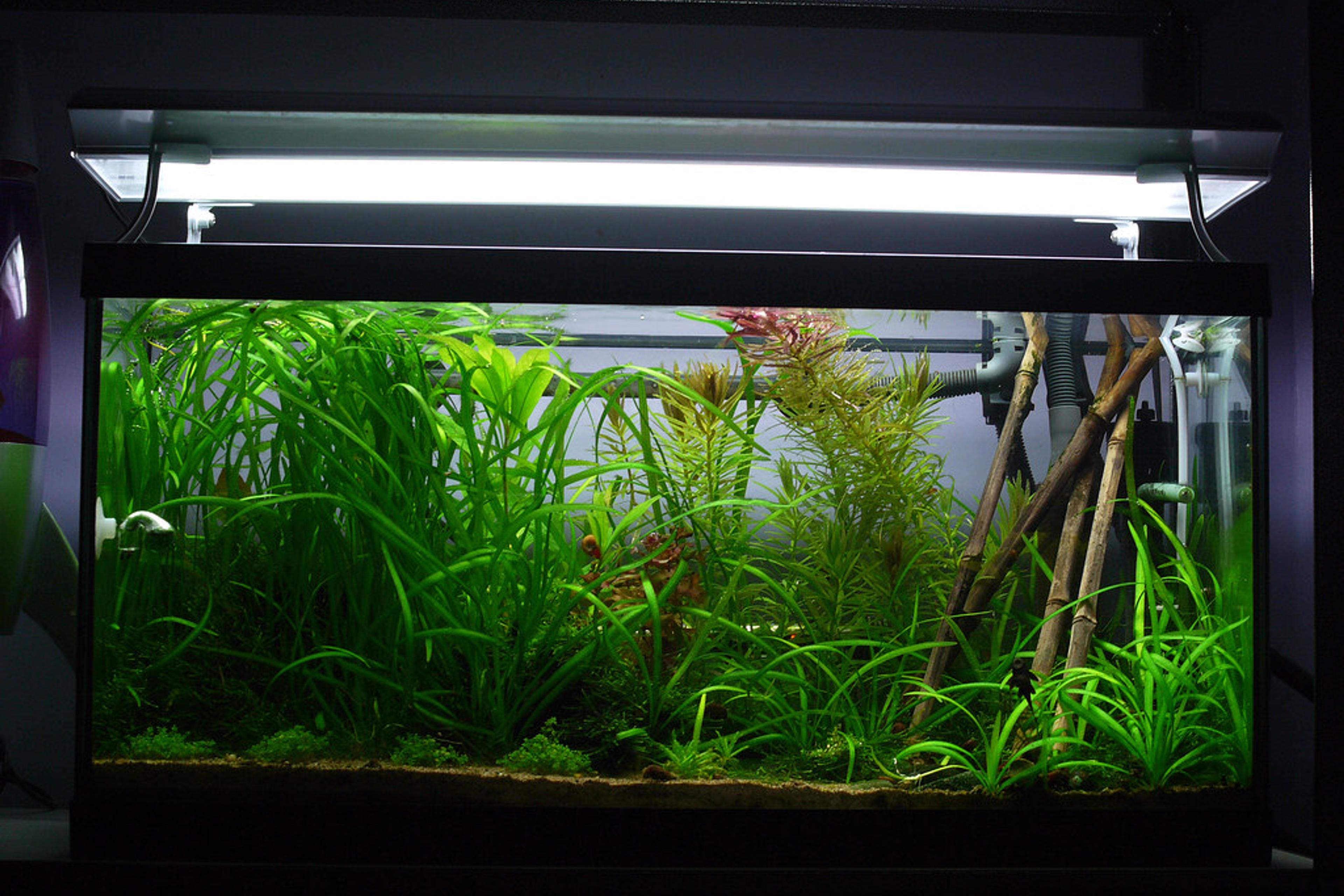
CO2 Drop Checker Guide: 4 dKH Solution, Color Chart, and Placement Rules
Learn how to use an aquarium CO2 drop checker, prepare 4 dKH reference solution, interpret color charts, and avoid gas toxicity in planted tanks.
Root Tabs vs Liquid Fertilizer in Aquariums: Substrate Feeding vs Water Column
Compare root tabs vs liquid fertilizers in planted aquariums. Learn which plants require substrate feeding, which feed from the water column, and how to balance both.
Aquarium Plant Melting: Emersed Transition, Nutrient Shocks, and Recovery
Understand why new aquarium plants melt, distinguish emersed-to-submersed transitions from water chemistry shock, and learn proper recovery steps.
Amazon Sword Nutrient Deficiencies: Yellow Leaves, Pinholes, and Root Tab Fixes
Diagnose Amazon sword nutrient deficiencies, recognize iron chlorosis and potassium pinholes, and revive starving plants with targeted root fertilizers.
Photo by Djlayton4 , Daniel J. Layton on Wikimedia Commons (CC BY-SA 3.0)