
Do Dojo Loaches Eat Shrimp or Snails? Tank Compatibility Guide
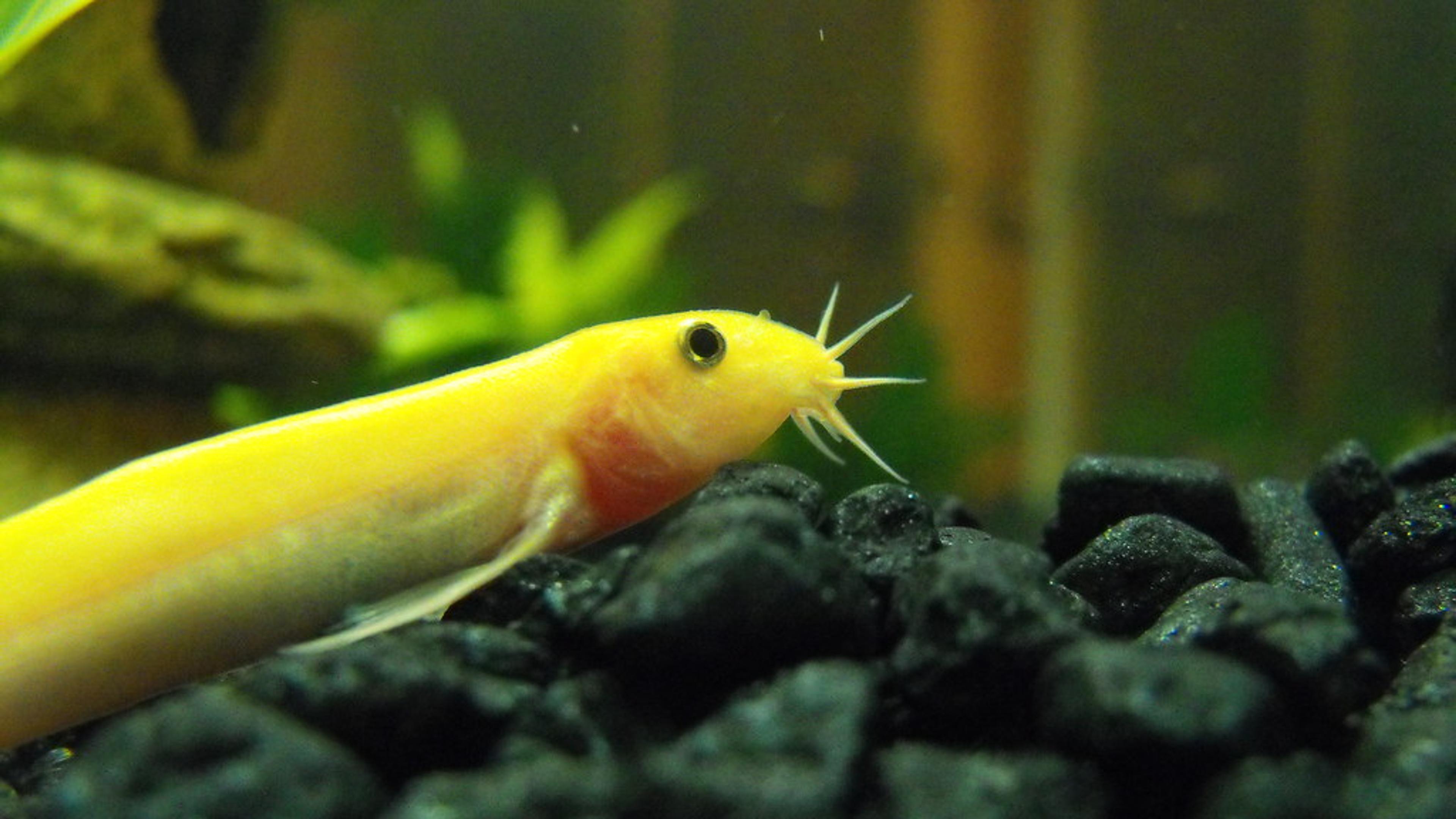
Dojo loaches are active benthic predators that readily hunt freshwater shrimp and eat snails out of their shells. Keeping them in the same aquarium with small invertebrates inevitably leads to heavy predation.

By Sharon Ben-Moshe, Founder, The Aquarium Adviser
Updated / 7 min read
In this guide
Do dojo loaches eat shrimp or snails? Yes, they consume dwarf shrimp whole and pry snails directly from their shells at every opportunity. Because these large bottom-dwellers hunt benthic microfauna as an instinctive feeding behavior, keeping them alongside decorative invertebrates leads to rapid losses.
Known scientifically as Misgurnus anguillicaudatus, the pond loach or weather loach reaches lengths of 8-11 inches (20-28 cm) in captivity. According to the Seriously Fish species profile, this species is native to river basins, wetlands, and rice fields across East Asia, where it spends its daylight and twilight hours rooting through fine sediment in search of worms, insect larvae, and small mollusks. In an aquarium, that same foraging drive turns ornamental invertebrates into targets. Aquarists who hope to establish a peaceful community aquarium must understand how these loaches forage before introducing expensive invertebrates to the system.
Invertebrate compatibility overview
The table below outlines the expected outcome when combining Misgurnus anguillicaudatus with common aquarium invertebrates:
| Invertebrate group | Common examples | Predation risk | Observed aquarium outcome |
|---|---|---|---|
| Dwarf shrimp | Cherry, crystal red, babaulti | Extreme | Consumed whole within hours; colonies cannot sustain numbers |
| Feeder & glass shrimp | Ghost shrimp, whisker shrimp | High | Easily captured on the substrate; adults picked apart by larger loaches |
| Fan & filter shrimp | Bamboo shrimp, vampire shrimp | Moderate to high | Adults resist ingestion, but constant nudging damages delicate fans |
| Soft pest snails | Bladder snails, small ramshorns | Extreme | Sucked clean from shells rapidly; effective biological eradication |
| Hard operculate snails | Malaysian trumpet snails | Moderate | Adult shells resist crushing, but exposed siphons and juveniles are eaten |
| Large decorative snails | Mystery snails, apple snails, nerites | High | Antennae and siphons nipped off; nerites flipped over and stressed |
Why do dojo loaches hunt shrimp and snails?
Understanding the physical traits of Misgurnus anguillicaudatus explains why housing them with smaller fauna rarely succeeds. As documented in the Wikipedia entry on the weather loach, these fish possess an elongated, eel-like body and ten sensory barbels arranged around a subterminal mouth. These sensitive barbels are packed with chemoreceptors and tactile nerve endings that detect food hidden beneath sand and leaf litter.
When a dojo loach detects scent cues or movements in the substrate, it drives its snout deep into the sand, scooping up mouthfuls of sediment to sift through the particles. The fish traps small living prey against the roof of its mouth while flushing excess sand through its gill openings. Any creature dwelling at the substrate boundary sits directly in the loach's primary feeding zone.
Dojo loaches also generate strong negative suction inside their buccal cavities. When encountering a snail, the loach latches onto the soft foot or head and uses rapid suction pulses to pull the animal free from its shell. Thin-shelled snails are often crushed between the pharyngeal teeth located in the fish's throat. Because dojo loaches hunt actively during dim light and barometric shifts, nocturnal invertebrates have no safe period to forage without detection.
Which shrimp species can survive with dojo loaches?
No dwarf shrimp species can reliably survive in an aquarium containing adult dojo loaches. Species such as cherry shrimp (Neocaridina davidi), crystal reds, and other freshwater aquarium shrimp species are natural bite-sized meals. Aquarists often assume that adding dense tangles of Java moss, cholla wood, or subwassertang will provide enough refuge for a breeding colony. In practice, an 8-inch dojo loach pushes directly through dense plant masses, disturbing the shelter and flushing shrimp into open water where they are captured.
Larger commercial feeder species face similar hazards:
- Ghost shrimp (Palaemonetes species) offer minimal resistance. While their transparent bodies provide camouflage on light sand, the chemical cues they release allow dojo loaches to track them down using barbels alone.
- Larger species such as whisker shrimp possess extended pincers, yet an adult dojo loach simply overpowers them through sheer size.
- Tiny shrimplets of any species get swallowed during ordinary substrate sifting without the loach even needing to hunt them specifically.
Filter-feeding shrimp such as bamboo shrimp (Atyopsis moluccensis) and vampire shrimp (Atya gabonensis) present a different set of challenges. Because adult specimens can measure 3-5 inches, dojo loaches cannot swallow them whole. However, peaceful cohabitation remains unlikely. Dojo loaches are boisterous, clumsy swimmers that routinely bulldoze tank mates. They investigate the sedentary filter shrimp, repeatedly bumping into them and tasting their appendages. Over days and weeks, this constant physical interference damages the delicate fan-like setae that the shrimp use to feed from the water current. Deprived of steady feeding perches and subjected to chronic stress, fan shrimp in loach tanks slowly decline. Anyone planning a dedicated shrimp aquarium setup should keep the tank entirely free of large benthic loaches.
Can you keep snails safely in a dojo loach aquarium?
The interaction between dojo loaches and aquarium snails depends largely on the snail's shell structure, size, and whether the aquarist considers the mollusk an unwanted intruder or an ornamental pet.
Biological control of pest snails
Dojo loaches eliminate common hitchhiker snails rapidly. If live plants introduce bladder snails (Physidae) or ramshorn snails (Planorbidae) into a tank, a single subadult loach can decimate the population within days. The fish searches around plant stems and the undersides of driftwood to find hiding mollusks. For aquarists battling an out-of-control pest snail population, a dojo loach provides a chemical-free removal method without requiring manual traps or copper treatments.
Risks to large ornamental snails
While pest snail eradication is beneficial for many hobbyists, keeping prized decorative snails with dojo loaches creates significant welfare problems:
- Mystery snails (Pomacea bridgesii) possess long, mobile sensory tentacles and a fleshy siphon used to breathe air at the surface. Dojo loaches nip at these appendages, mistaking them for worms. Repeated attacks force the snail to clamp shut inside its shell, leading to prolonged starvation and severe tissue damage. Hobbyists keeping mystery snails should house them exclusively with peaceful fish that ignore soft tissue.
- Nerite snails (Neritina species) feature compact, domed shells that resist direct bites on flat glass. However, rooting loaches often dislodge them. Once inverted on the sand, a nerite cannot right itself quickly, giving the loach time to bite its exposed foot.
- Malaysian trumpet snails (Melanoides tuberculata) survive somewhat longer due to their thick, calcified shells and tight operculum lids. Even so, dojo loaches consistently eat vulnerable juveniles as they leave the sand, gradually extinguishing the colony.
If an aquarist needs snail population management without endangering larger decorative invertebrates, exploring dedicated assassin snail care in a separate or targeted tank is generally a more controlled alternative.
Invertebrate-safe loach alternatives for community tanks
Hobbyists who appreciate the active personalities of loaches but want to maintain shrimp colonies or ornamental snails should consider smaller, specialized loach species:
- Hillstream loaches (Sewellia and Gastromyzon species) feature broad, flattened pectoral fins modified into suction discs. They graze on biofilm, diatoms, and microscopic algae growing on flat rocks. Because their specialized scraping mouthparts cannot seize motile prey, they live peacefully alongside dwarf shrimp and snails in high-oxygen tanks.
- Kuhli loaches (Pangio semicincta) stay slender and rarely exceed 3.5-4 inches. Their small mouthparts are adapted for tiny worms and soft detritus rather than armored prey. Adult cherry shrimp, amano shrimp, and snails face no danger from them, though newly hatched shrimplets might be eaten if they cross a foraging kuhli.
- Rosy loaches (Petruichthys araikanensis) reach only 1-1.25 inches as adults. They swim in loose midwater groups and ignore bottom-dwelling invertebrates entirely.
- Snail-eating species like zebra loaches (Botia striata) and dwarf chain loaches (Ambastaia sidthimunki) remain smaller than dojo loaches, but they still crush snails and dismantle shrimp. They are not shrimp-safe alternatives.
How to feed dojo loaches a balanced diet without live prey
If you choose to keep dojo loaches in a species-appropriate setup without live invertebrates, meeting their nutritional requirements is straightforward. These fish are enthusiastic omnivores that accept a broad variety of commercial, frozen, and fresh foods:
- High-protein sinking pellets formulated with insect meal and spirulina establish a reliable daily baseline.
- Frozen bloodworms, daphnia, and brine shrimp offered two to three times weekly satisfy their predatory feeding drive.
- Fresh vegetables like blanched zucchini slices and peeled peas provide roughage and support digestion.
- Distribute sinking wafers across multiple corners of the aquarium so faster top-dwelling fish do not steal all the food before it sinks.
- Use soft, fine aquarium sand instead of coarse gravel. Sharp substrate edges wear down sensory barbels, creating open wounds that invite bacterial infections.
- Keep water temperatures between 64-75°F (18-24°C) with brisk aeration. Elevated tropical temperatures accelerate their metabolism and drive up hunger-fueled aggression.
Frequently asked questions
Will a dojo loach eat large mystery snails or nerite snails?
Dojo loaches frequently attack large snails even if they cannot swallow the shell whole. They target exposed, fleshy appendages, nipping off tentacles, eye stalks, and respiratory siphons until the snail cannot feed or breathe. Nerite snails are often pried off the aquarium glass and turned upside down, leaving them vulnerable to continuous harassment.
Can dojo loaches live with adult bamboo or vampire shrimp?
Housing dojo loaches with bamboo or vampire shrimp rarely works over the long term. While adult fan shrimp are too large for a dojo loach to swallow immediately, the loach's constant rooting and clumsy swimming damages the shrimp's delicate feeding fans and sensory antennae. Over time, physical injuries and ongoing stress prevent the shrimp from feeding properly.
How quickly will dojo loaches eliminate pest snails from a tank?
A single juvenile or subadult dojo loach can clear dozens of small bladder or ramshorn snails within several days. In heavily infested aquariums, a small group of loaches systematically searches the substrate and decor, drastically reducing the snail population within two to three weeks. Aquarists must provide supplemental sinking food once the snail supply drops.
Are kuhli loaches safer than dojo loaches for freshwater shrimp?
Kuhli loaches possess much smaller mouths and a gentle temperament, making them considerably safer tank mates for adult dwarf shrimp than dojo loaches. While a hungry kuhli loach may opportunistically eat newly hatched shrimplets hiding in the substrate, they ignore adult cherry or amano shrimp entirely. Dense moss gives juvenile shrimp ample shelter to escape their notice.
What water temperature range do dojo loaches require?
Dojo loaches are temperate to subtropical fish that thrive best in unheated aquariums maintained between 64-75°F (18-24°C). Standard tropical aquariums heated to 78-82°F elevate their metabolic rate, shorten their lifespan, and increase their feeding aggression. Keeping them in cooler water supports their natural activity levels and overall health.
Related guides
Neon Tetra Disease Symptoms, Treatment, and Diagnosis
True neon tetra disease is an incurable parasitic infection of muscle tissue caused by Pleistophora hyphessobryconis. Recognizing early symptoms and distinguishing them from treatable bacterial columnaris protects community aquariums from devastating losses.
Boesemani Rainbowfish Care Guide: Tank Size, Water, and Diet
Learn how to care for Boesemani rainbowfish with proper 4-foot tank dimensions and hard alkaline water parameters. A balanced, protein-heavy diet ensures males develop their classic two-toned coloration.
Peppered Corydoras Care Guide: Tank Setup, Substrate, and Breeding
Peppered corydoras thrive in cool freshwater aquariums with soft sand substrates, steady filtration, and a social group of six or more. Learn how to maintain ideal water parameters, safeguard sensory barbels, and trigger natural spawning.
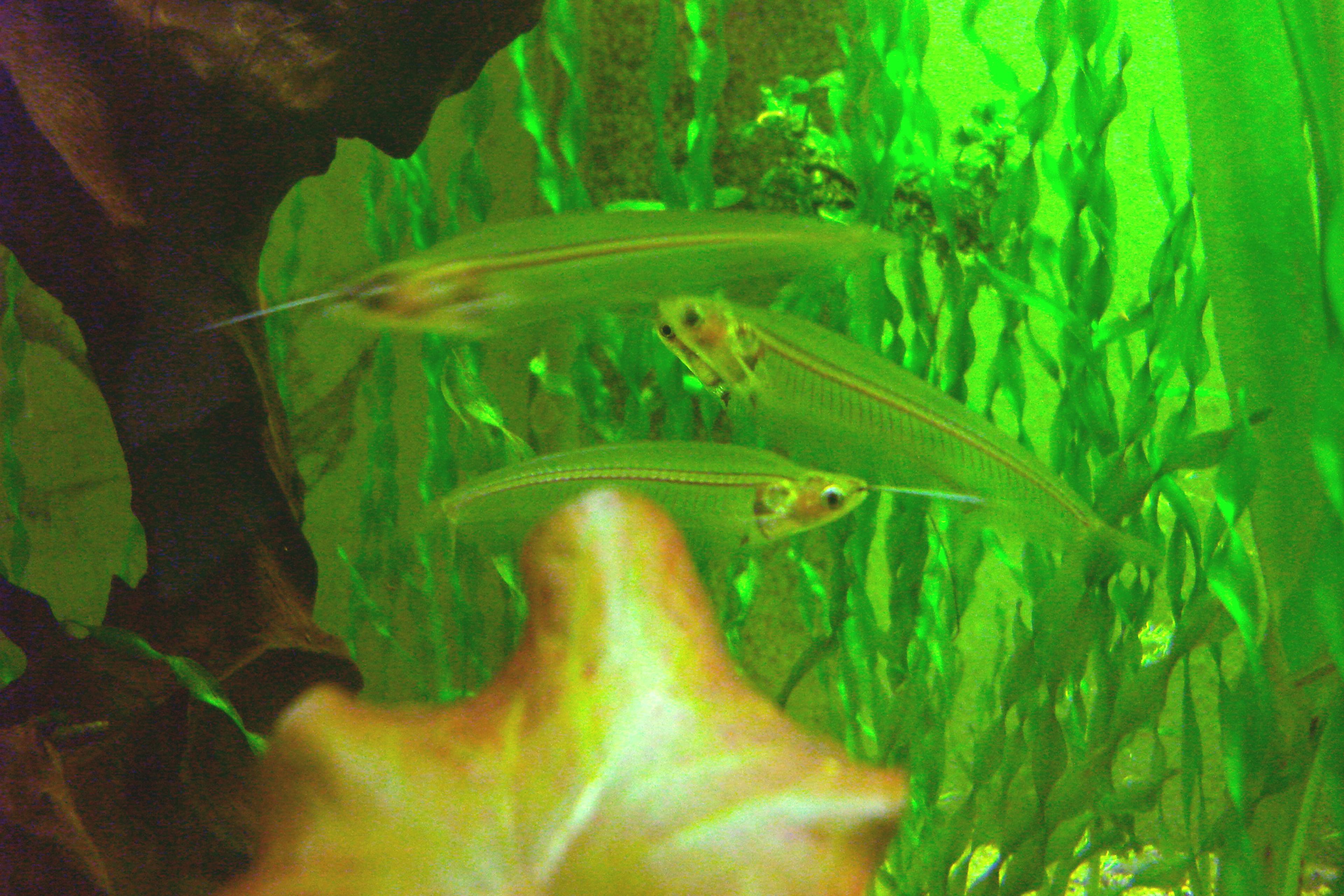
Glass Catfish Tank Care: Schooling, Water Flow, and Diet
Proper glass catfish tank care demands mature water conditions, gentle horizontal flow, and shaded midwater zones. Keeping these delicate, scaleless fish in groups of six or more ensures steady feeding and calm schooling behavior.
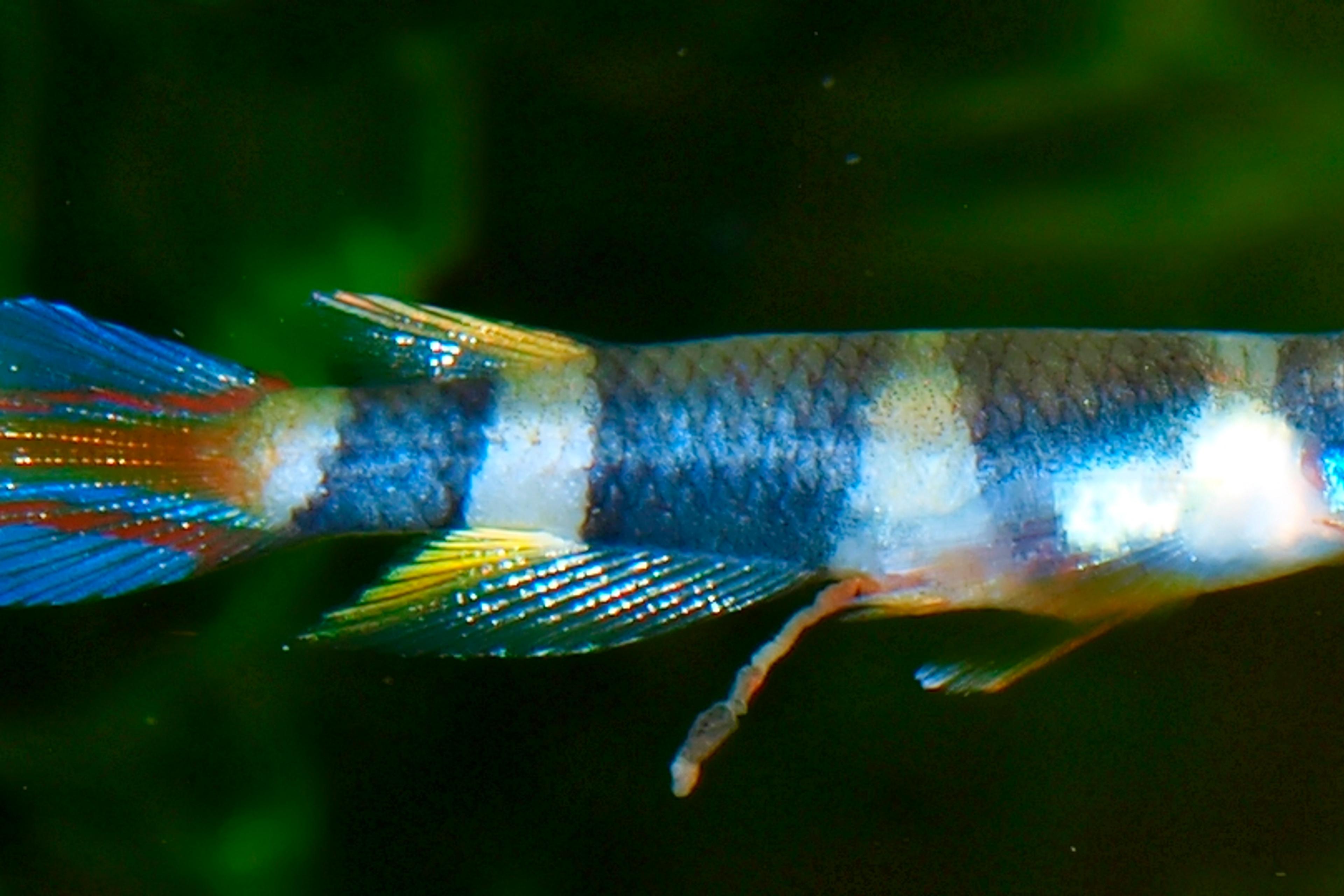
Clown Killifish Nano Tank Care: Setup, Diet, and Breeding
Clown killifish (*Epiplatys annulatus*) thrive in heavily planted nano aquariums with calm surface water, soft parameters, and floating plant cover. This guide covers filtration, jumping prevention, daily feeding, and raising fry.
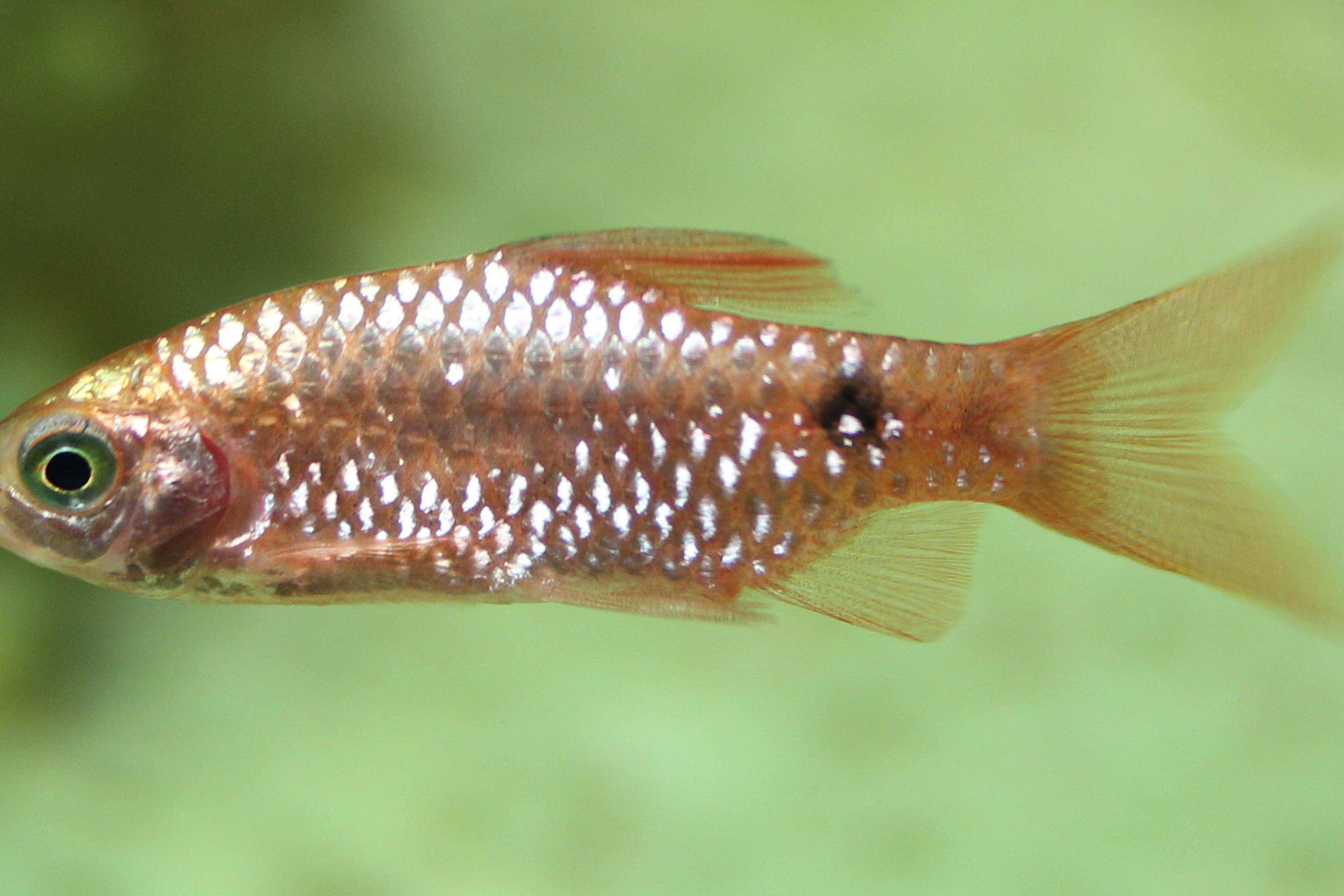
Rosy Barb Care Guide: Schooling, Tank Size, and Cool Water
Rosy barbs are energetic, cool-water schooling fish that thrive in room-temperature aquariums with strong filtration. Learn how to maintain proper school sizes, protect live plants, and choose compatible community tank mates.