
Freshwater Aquarium GH and KH Guide: Hardness, Buffering, and Water Chemistry
Understand general hardness and carbonate hardness in freshwater aquariums, including how they influence pH stability, osmoregulation, and plant growth.

By Sharon Ben-Moshe, Founder, The Aquarium Adviser
Published / 4 min read
In this guide
General hardness (GH) and carbonate hardness (KH) are two distinct chemical measurements that govern water stability and osmoregulation in freshwater aquariums. General hardness tracks dissolved divalent metal cations, primarily calcium ($Ca^{2+}$) and magnesium ($Mg^{2+}$). Carbonate hardness measures dissolved carbonate ($CO_3^{2-}$) and bicarbonate ($HCO_3^-$) anions that act as a chemical buffer against acids. For scientific background on carbonate equilibrium, see the Wikipedia summary on carbonate hardness.
Many beginners rely exclusively on pH test kits while ignoring hardness. That approach creates blind spots. A stable pH reading of 7.2 can mask a tank with near-zero KH, leaving livestock hours away from an acidification crash. Understanding how calcium, magnesium, and carbonates interact enables aquarists to maintain steady water parameters tailored to specific fish species and aquatic plants.
General Hardness vs Carbonate Hardness: Core Principles
General hardness directly influences internal fluid pressure in aquatic animals through osmoregulation. Freshwater fish maintain higher internal salt concentrations than the surrounding water, meaning water constantly diffuses into their skin and gills while salts diffuse outward. Calcium and magnesium ions reduce cell membrane permeability, helping fish regulate water balance without burning excessive metabolic energy. Dwarf shrimp and freshwater snails also require sufficient dissolved calcium to build exoskeletons and calcium carbonate shells.
Carbonate hardness functions as the aquarium's chemical shock absorber. Nitrification releases hydrogen ions ($H^+$) into the water as beneficial bacteria convert ammonia into nitrite and nitrate. Organic acids from fish waste, decaying plant leaves, and uneaten food also supply free hydrogen ions. Carbonate and bicarbonate ions bind these free hydrogen ions, converting them into carbonic acid ($H_2CO_3$), which eventually breaks down into dissolved water and carbon dioxide gas. This reaction consumes KH over time while keeping the pH reading steady.
| Parameter | What It Measures | Target for Soft Water Species | Target for Hard Water / Livebearers | Target for Planted Tanks |
|---|---|---|---|---|
| General Hardness (GH) | Calcium and Magnesium ions | 3-6 dGH (50-100 ppm) | 10-18 dGH (180-320 ppm) | 4-8 dGH (70-140 ppm) |
| Carbonate Hardness (KH) | Carbonate and Bicarbonate ions | 1-3 dKH (20-50 ppm) | 8-14 dKH (140-250 ppm) | 3-5 dKH (50-90 ppm) |
| pH Stability | Acid/Base equilibrium | Susceptible to drift below 2 dKH | Highly buffered, remains 7.6-8.2 | Balanced buffer for CO2 dissolution |
When testing aquarium water, measurements are recorded either in German degrees of hardness (dGH / dKH) or parts per million (ppm). Converting between the two units requires multiplying degrees by 17.86. For example, 4 dKH equals roughly 71.4 ppm of calcium carbonate equivalent.
How to Test and Adjust Aquarium Hardness
Liquid titration test kits provide the most reliable readings for freshwater aquariums. Test strips tend to degrade when exposed to ambient humidity, leading to inaccurate color pad interpretations. To read more about test accuracy, review our breakdown of aquarium test strips vs liquid test kits. In a liquid drop test, you count the number of reagent drops required to turn the sample water from one color to another, with each drop representing one degree of hardness.
When adjustments are necessary, change values slowly. Rapid shifts in mineral content induce osmotic shock in fish, often rupturing gill lamellae or killing dwarf shrimp during their subsequent molt:
- Raising GH: Use calcium chloride and magnesium sulfate (Epsom salt) mixed in a 3:1 ratio, or dose dedicated remineralizing mineral salts designed for shrimp and planted tanks.
- Lowering GH: Dilute the aquarium water with pure reverse osmosis (RO) or distilled water during routine water changes. Peat moss and water softening pillows will also exchange calcium ions for sodium or hydrogen ions.
- Raising KH: Add pure sodium bicarbonate at a dose of one half-teaspoon per 10 gallons of water to lift KH by 2-3 dKH. Alternatively, place crushed coral in a mesh media bag inside your filter for a gradual, self-limiting release of carbonate.
- Lowering KH: Dilute tank water with reverse osmosis water. Routine partial water changes prevent acid buildup from overwhelming your existing buffer, as detailed in our guide on how often to do aquarium water changes.
The Interaction Between KH, pH, and Carbon Dioxide
Carbon dioxide ($CO_2$) injection in planted aquariums relies directly on carbonate buffering to prevent dangerous pH drops. When carbon dioxide dissolves in water, it forms carbonic acid, driving the pH downward. Water with a KH of 4 dKH can safely absorb enough carbon dioxide to support dense plant photosynthesis while holding pH between 6.6 and 6.8.
In contrast, running pressurized carbon dioxide in an unbuffered tank with a KH below 1 dKH invites severe hazards. Without adequate bicarbonate ions to absorb excess hydrogen ions, dissolved gas pushes the pH into acidic territory below 5.5 within an hour. Maintaining a baseline carbonate hardness of 3-5 dKH provides safety for both fish and the nitrifying bacteria that convert toxic waste into nitrates, supporting the nitrogen cycle steps that keep your biological filtration operational.
Frequently asked questions
What is the primary difference between GH and KH in an aquarium?
GH measures dissolved calcium and magnesium ions needed for biological functions like bone formation and molting. KH measures carbonate and bicarbonate ions that neutralize acids and stabilize your pH against sudden downward crashes.
Can an aquarium have high GH and low KH at the same time?
Yes. Water containing high concentrations of calcium sulfate or magnesium chloride will show high general hardness while maintaining negligible carbonate buffering. In that situation, water feels hard to fish tissues, but pH remains unstable.
What happens if carbonate hardness drops to zero degrees dKH?
When KH drops below 1-2 dKH, the water loses its acid-neutralizing capacity. Organic acids produced by nitrifying bacteria and fish waste will rapidly push the pH downward, causing a sudden pH crash that can kill livestock.
How do you raise aquarium KH without raising GH?
Add pure sodium bicarbonate (baking soda) or potassium bicarbonate. One half-teaspoon of baking soda per 10 gallons of water raises KH by approximately 2-3 dKH without adding calcium or magnesium ions to your water column.
Do live aquarium plants consume GH and KH?
Yes. Aquatic plants absorb calcium and magnesium from the water column as essential secondary nutrients. In tanks lacking carbon dioxide injection, fast-growing plants like Vallisneria can also consume carbonates directly, causing biogenic decalcification and depleting KH.
Related guides
Detritus Worms vs Planaria in Aquariums: Identification and Treatment Guide
Learn how to distinguish harmless detritus worms from predatory flatworm planaria, including head shape, movement, and safe treatment with fenbendazole.
Aquarium Quarantine Tank Setup: Equipment, Protocol, and Observation Guide
Learn how to set up an inexpensive aquarium quarantine tank, execute a 4-week observation protocol, and prevent parasites and bacterial infections in your display tank.
Aquarium Green Water: Free-Floating Algae Causes, Blackout Cures, and UV Guide
Learn what causes green water in freshwater aquariums, how single-celled euglenoid algae bloom, and how to eliminate pea-soup water with blackouts and UV sterilizers.
Aquarium Bacterial Bloom: Causes, Milky Water Solutions, and Prevention
Understand what causes milky, cloudy white water in freshwater aquariums, how heterotrophic bacterial blooms form, and how to clear them safely.
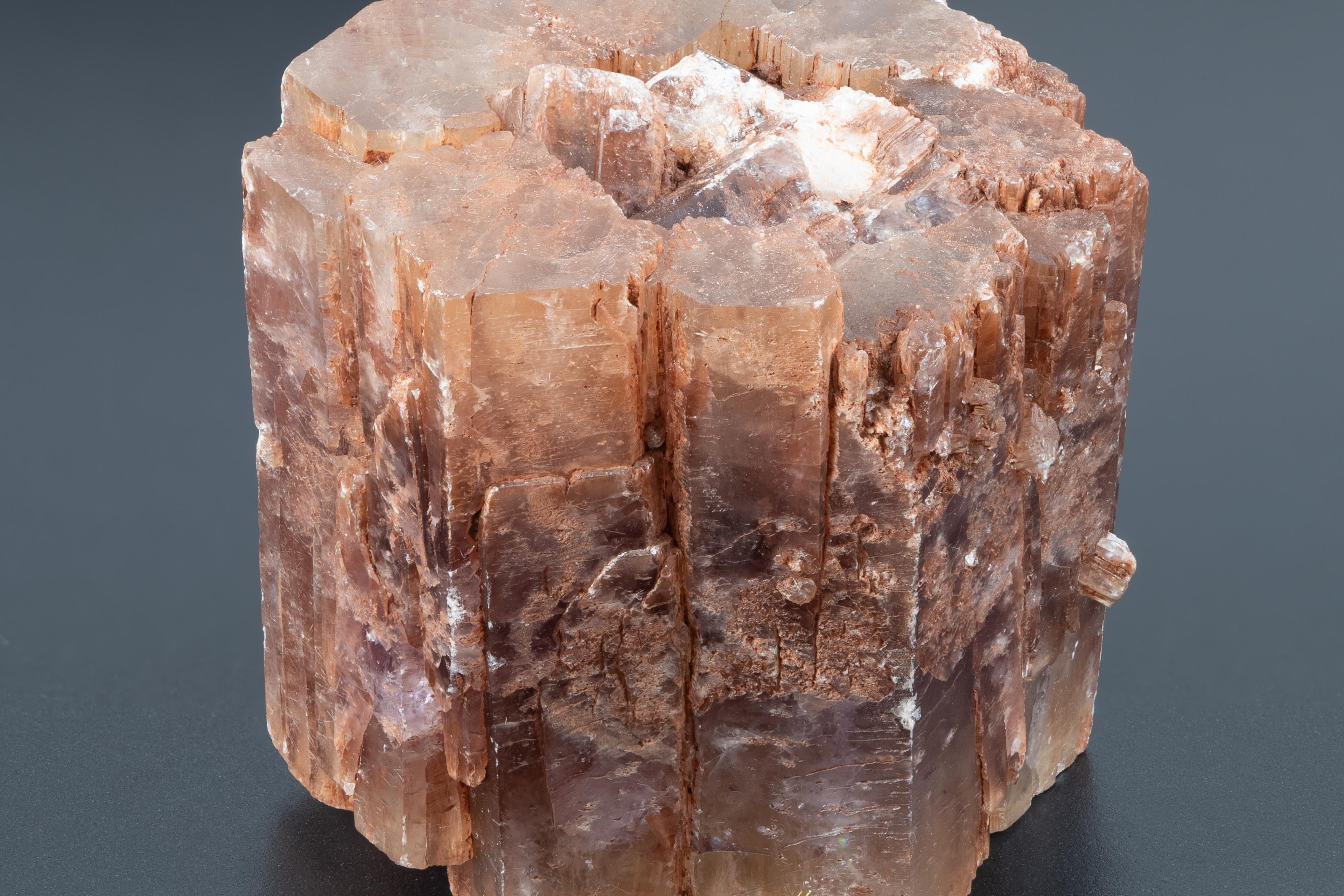
How to Raise Aquarium pH Safely: Crushed Coral, Aragonite, and Buffer Dosing
Learn how to raise aquarium pH safely using crushed coral, aragonite sand, and mineral buffer dosing to protect fish from sudden pH crashes.
Photo by JJ Harrison ( https://www.jjharrison.com.au/ ) on Wikimedia Commons (CC BY-SA 4.0)
How to Lower Aquarium pH Naturally: Peat, Botanicals, and RO Water Blending
Learn how to lower aquarium pH naturally without harsh chemicals using Indian almond leaves, alder cones, sphagnum peat, and reverse osmosis dilution.