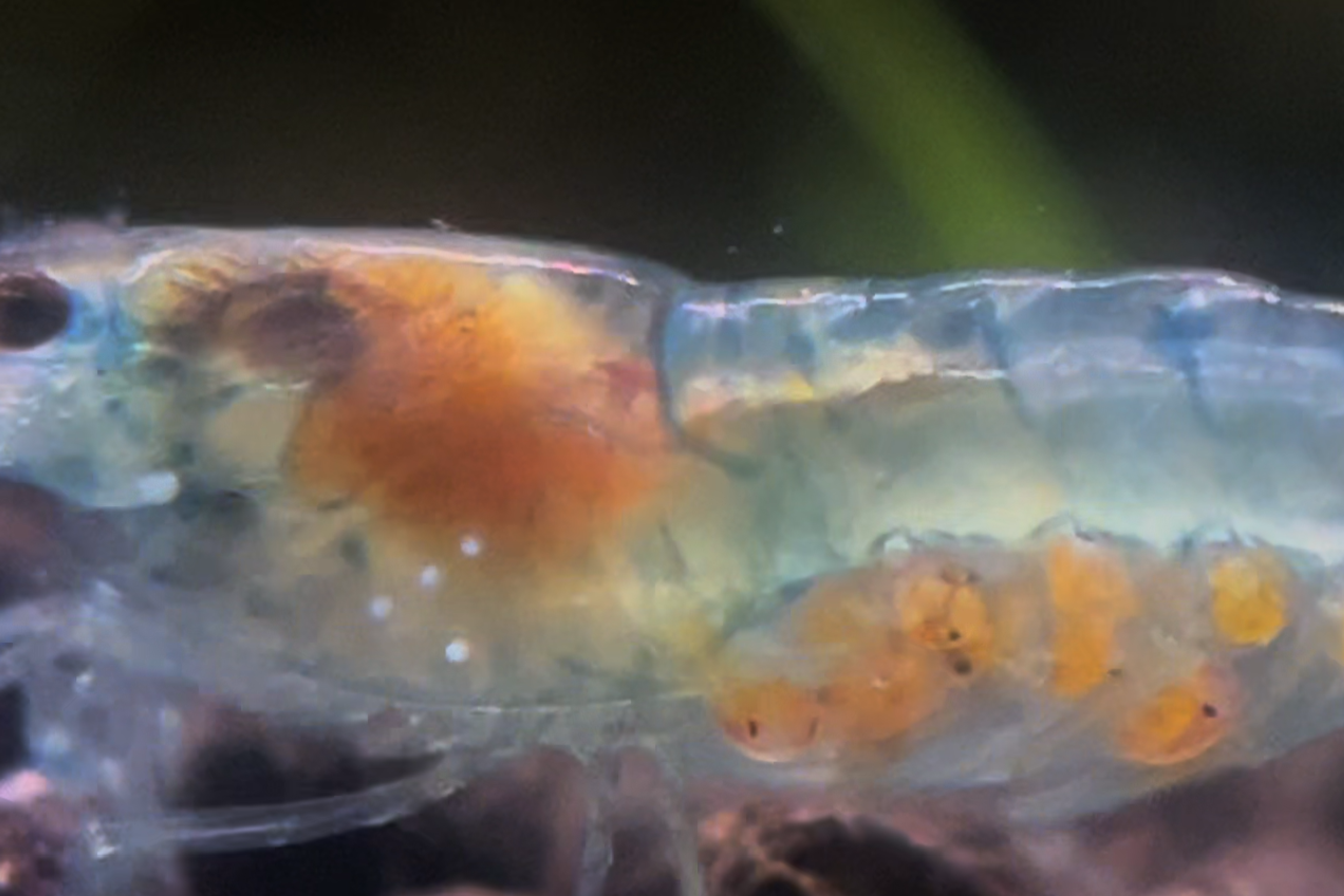
Blue Dream Shrimp Care Guide: Parameters, Setup, and Breeding
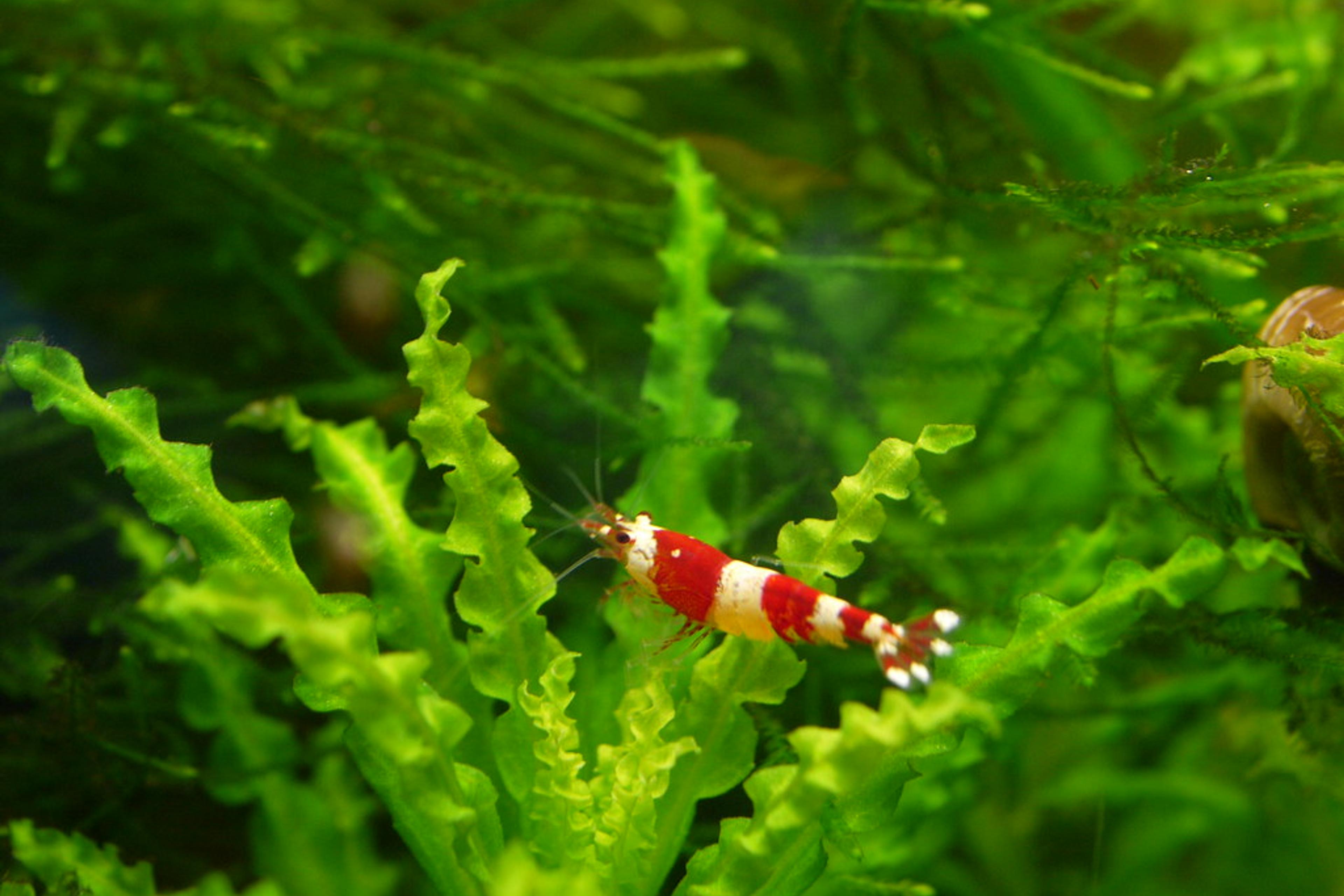
Blue dream shrimp thrive in established planted aquariums with steady mineral hardness and biofilm. Learn how to balance water parameters, cull for color, and rear shrimplets.
52 guides, page 2 of 5

Blue dream shrimp thrive in established planted aquariums with steady mineral hardness and biofilm. Learn how to balance water parameters, cull for color, and rear shrimplets.

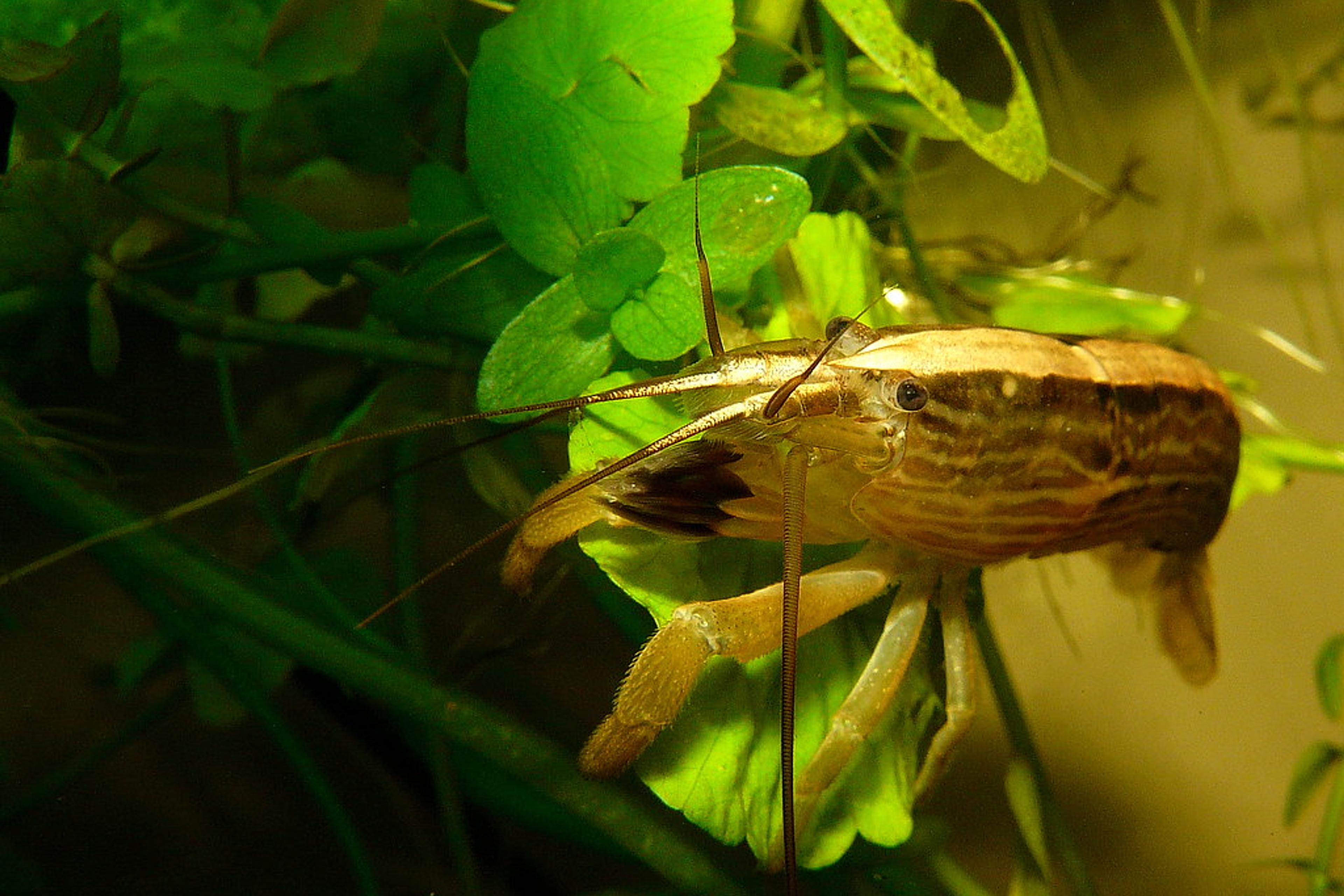
Rabbit snails require warm, alkaline water, fine sand substrate, and steady calcium supplementation to maintain healthy shells. This guide covers practical tank setup, daily nutrition, compatible tank mates, and their unique live-bearing reproduction.

Master bamboo shrimp care and feeding with practical advice on directed water current, targeted micro-foods, tank setup, and peaceful tank mates for Atyopsis moluccensis.

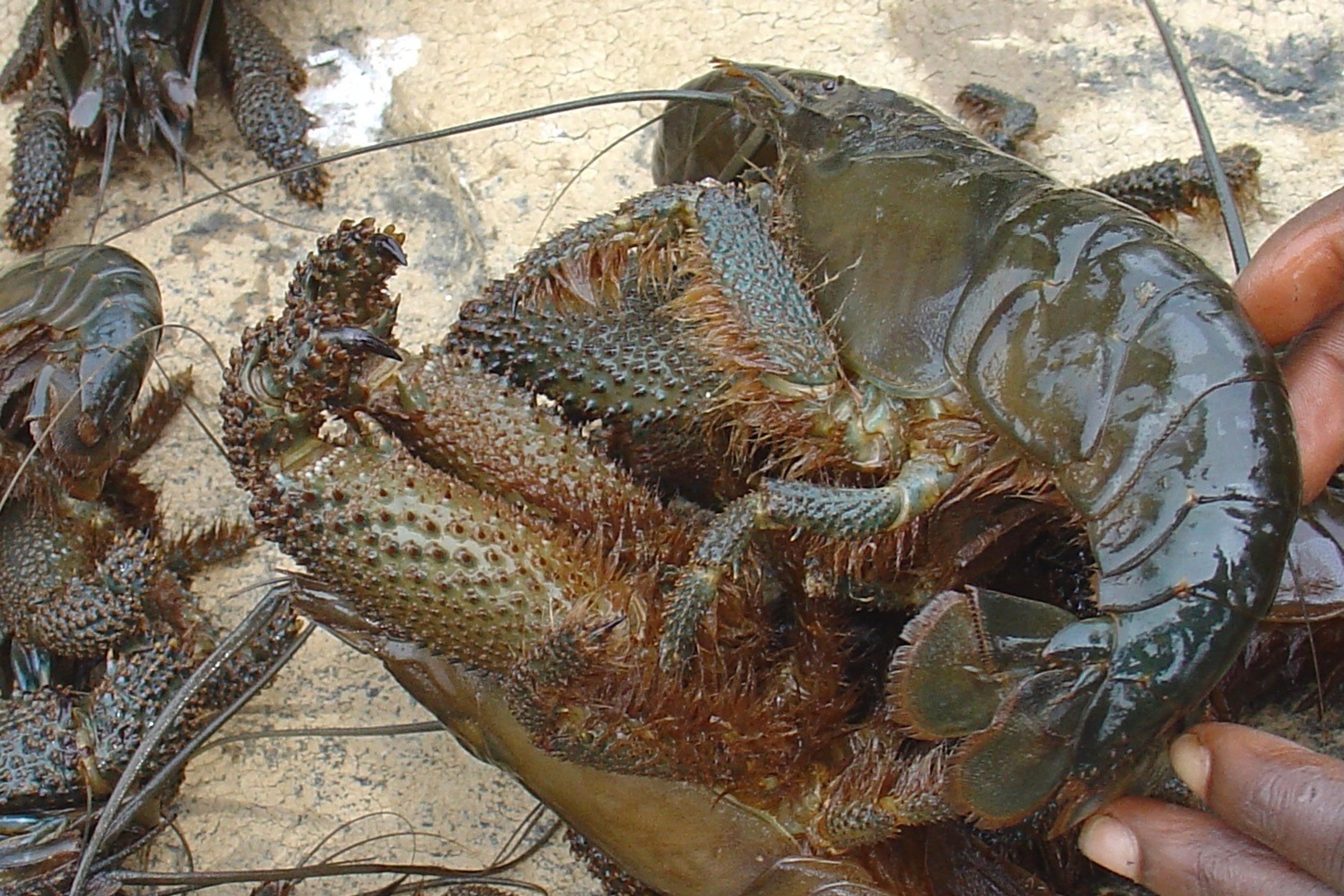
Vampire shrimp (Atya gabonensis) thrive in mature aquariums with directed water current, secure perches, and suspended microscopic foods. Learn how to configure water flow, target feed, and maintain water hardness for successful molting.

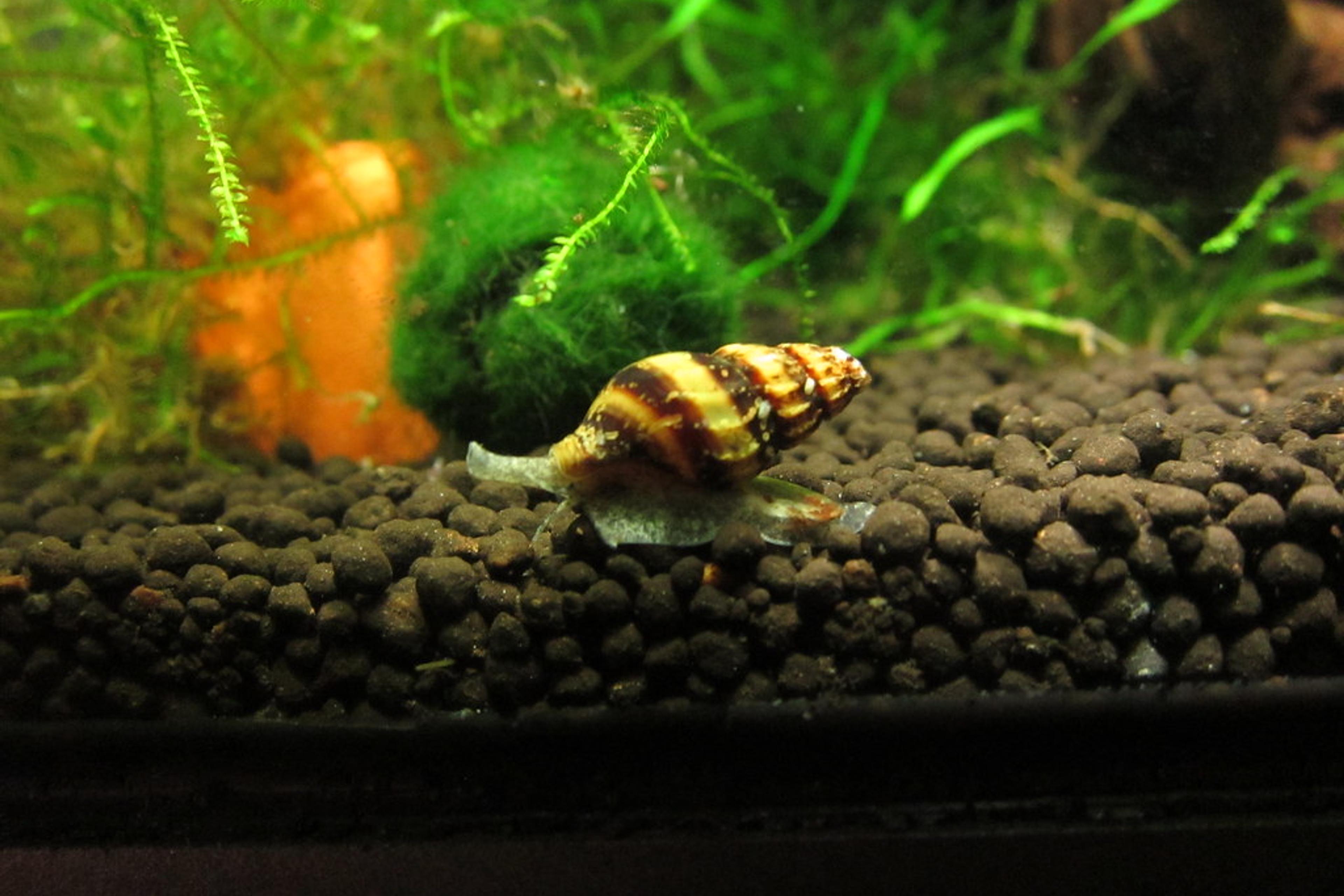
Assassin snails actively hunt nuisance snails without damaging live aquarium plants. Keeping them healthy requires hard, alkaline water, fine sand substrate, and supplemental protein once pest snails decline.

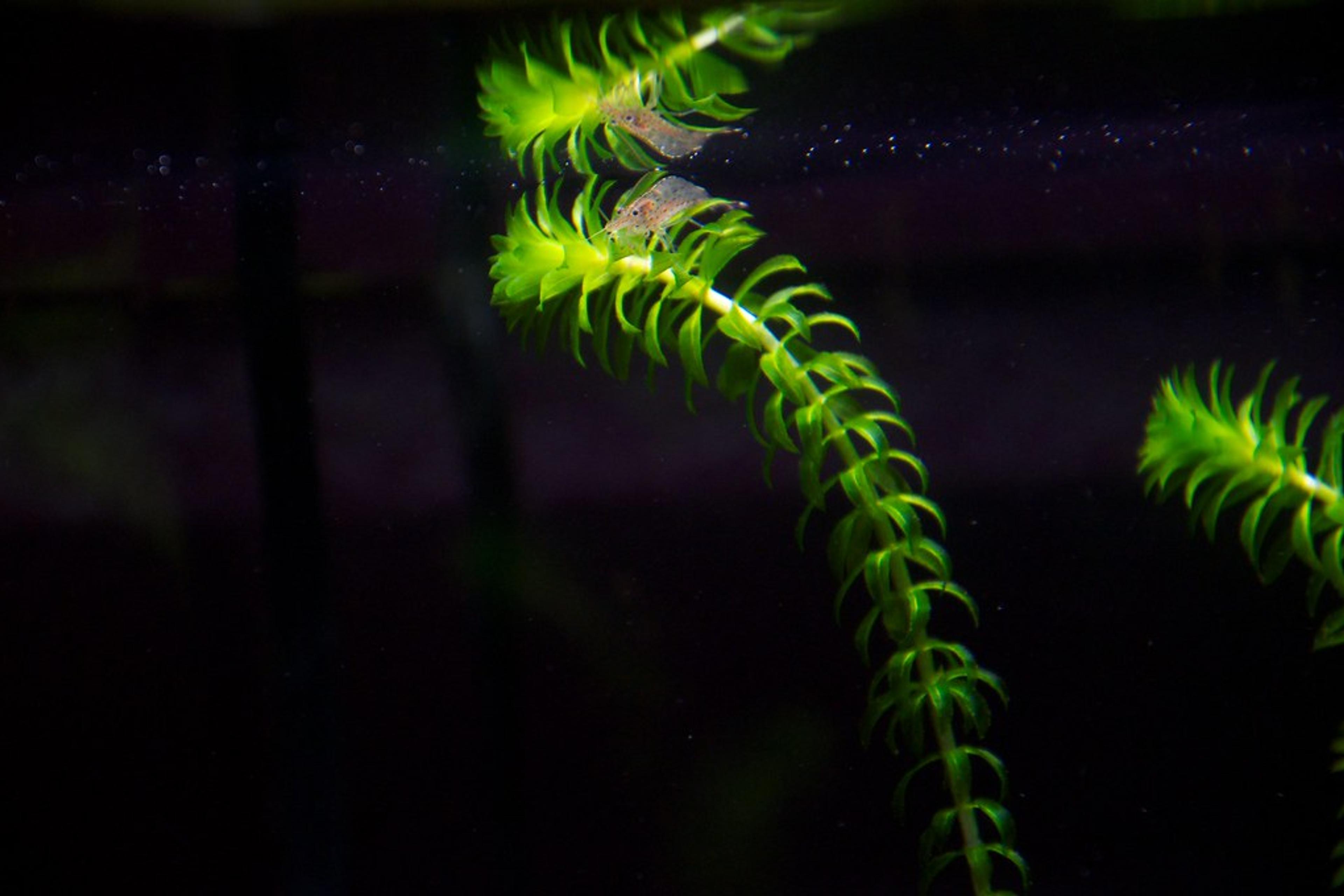
Amano shrimp are exceptional freshwater algae scavengers that tackle hair algae and leftover waste in planted aquariums. Here is how to maintain stable water parameters, choose peaceful tank mates, and keep them healthy.

Bee shrimp demand precise water chemistry, buffered active substrate, and stable cool temperatures to survive. While challenging for novices, a cycled tank with remineralized reverse osmosis water makes keeping them predictable.

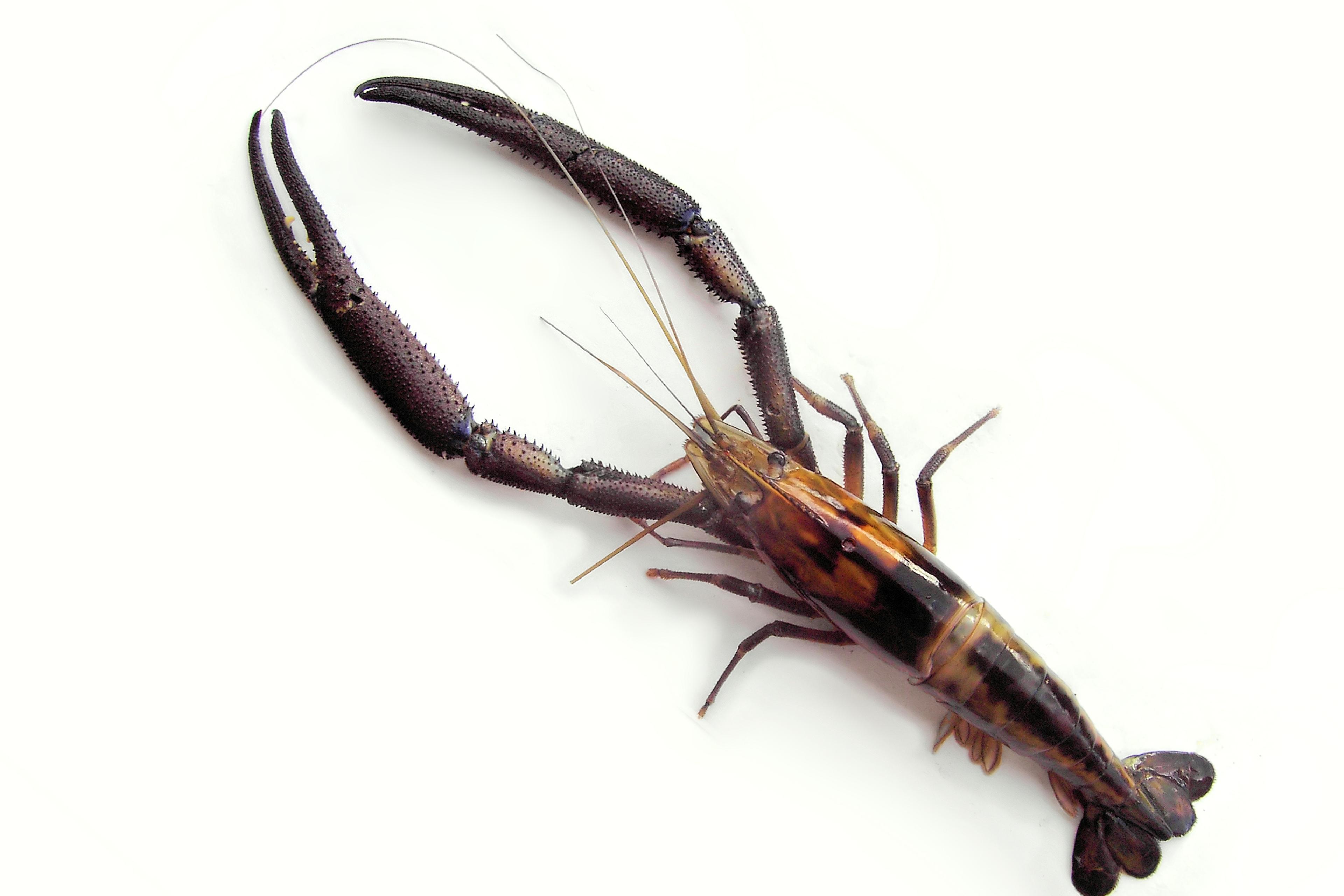
Whisker shrimp and ghost shrimp share a translucent body, but their adult size, temperament, and predatory habits differ significantly. Learn how to identify physical markers like claw anatomy and choose the right species for your tank.
Photo by Hans Hillewaert on Wikimedia Commons (CC BY-SA 4.0)

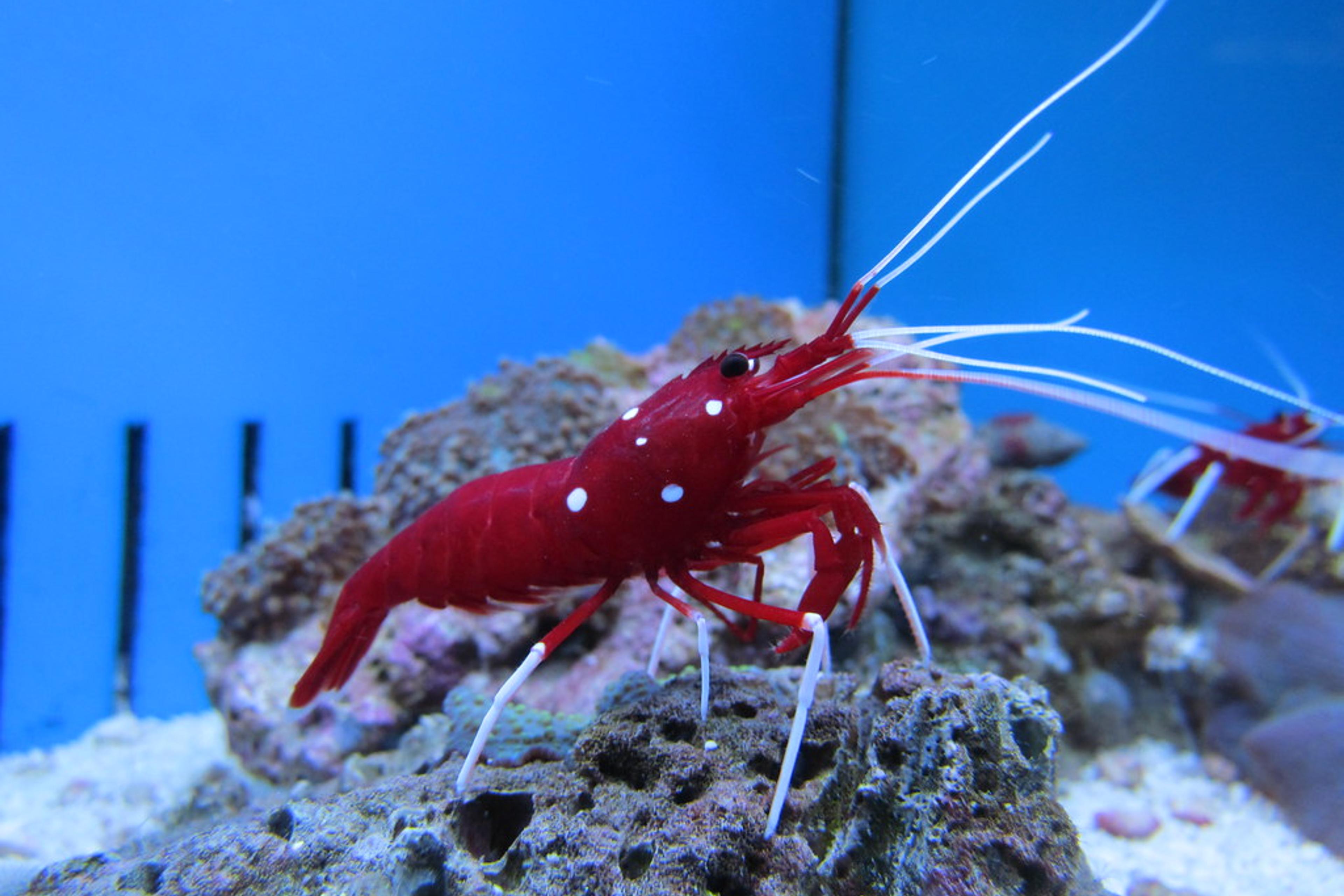
Pistol shrimp are obligate carnivores that hunt small crustaceans, polychaete worms, and mollusks using explosive cavitation bubbles. In reef aquariums, they thrive on target-fed frozen mysis, chopped table shrimp, and sinking carnivore pellets.

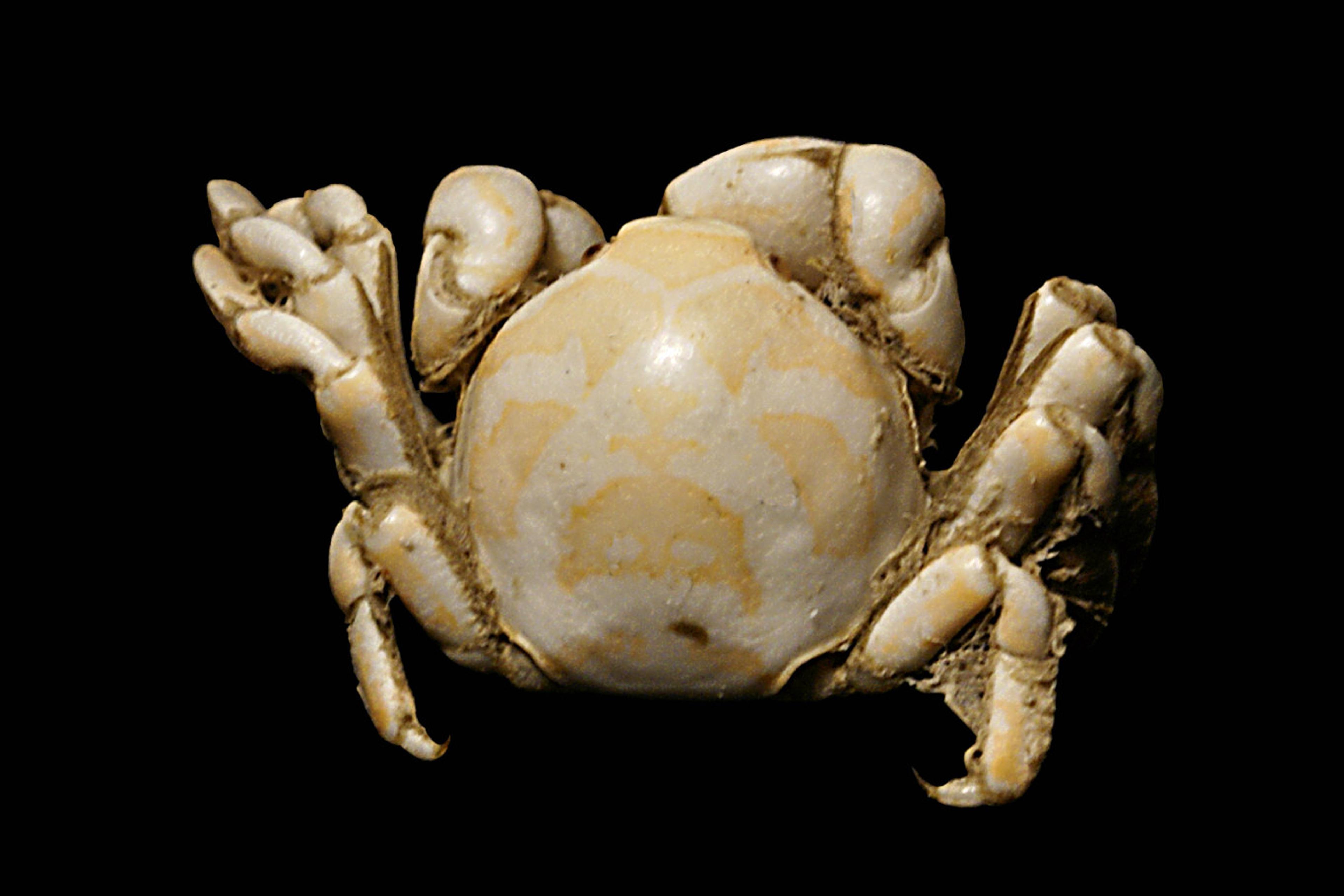
Pea crabs are completely harmless to humans, free of toxins, and safe to eat if found inside fresh oysters or clams. These miniature crustaceans live as kleptoparasites inside bivalves and actually signal that your seafood was harvested alive from clean waters.
Photo by Hans Hillewaert on Wikimedia Commons (CC BY-SA 4.0)

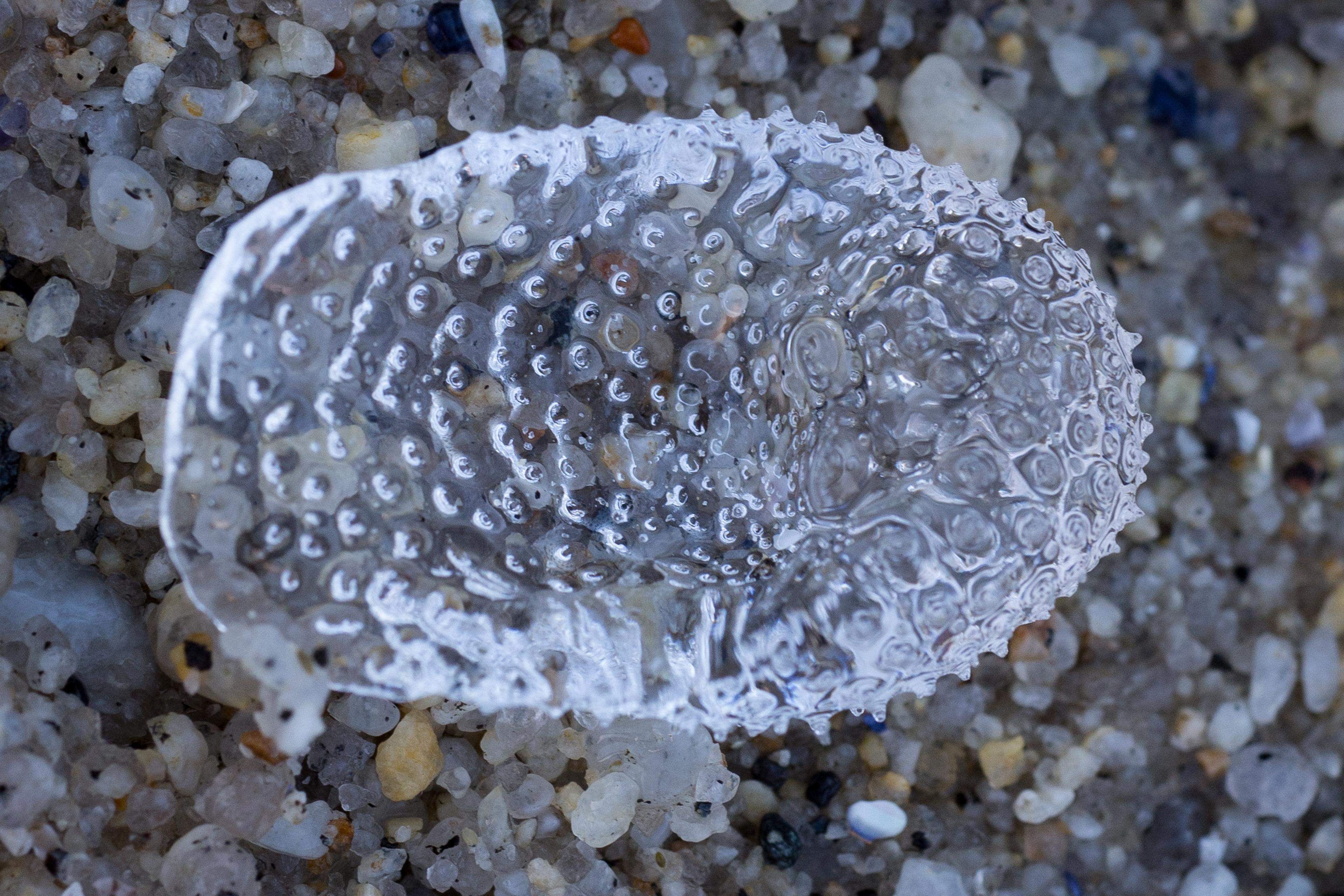
Sea butterflies are pelagic marine snails that use delicate mucous webs to trap microscopic plankton across open ocean currents. Although vital to marine food webs and climate research, their specialized swimming and feeding make them impossible to maintain in home aquariums.

Brittle stars are opportunistic scavengers that consume detritus, leftover meaty foods, and plankton across marine habitats. In home reef aquariums, they clean substrate and crevices with minimal supplemental feeding required.