
Rotala Rotundifolia Care: Lighting, Trimming, and Iron Dosing for Red Stems
Learn how to grow Rotala rotundifolia, achieve vibrant pink and red coloration through lighting and iron dosing, and master stem trimming techniques.

By Sharon Ben-Moshe, Founder, The Aquarium Adviser
Published / 4 min read
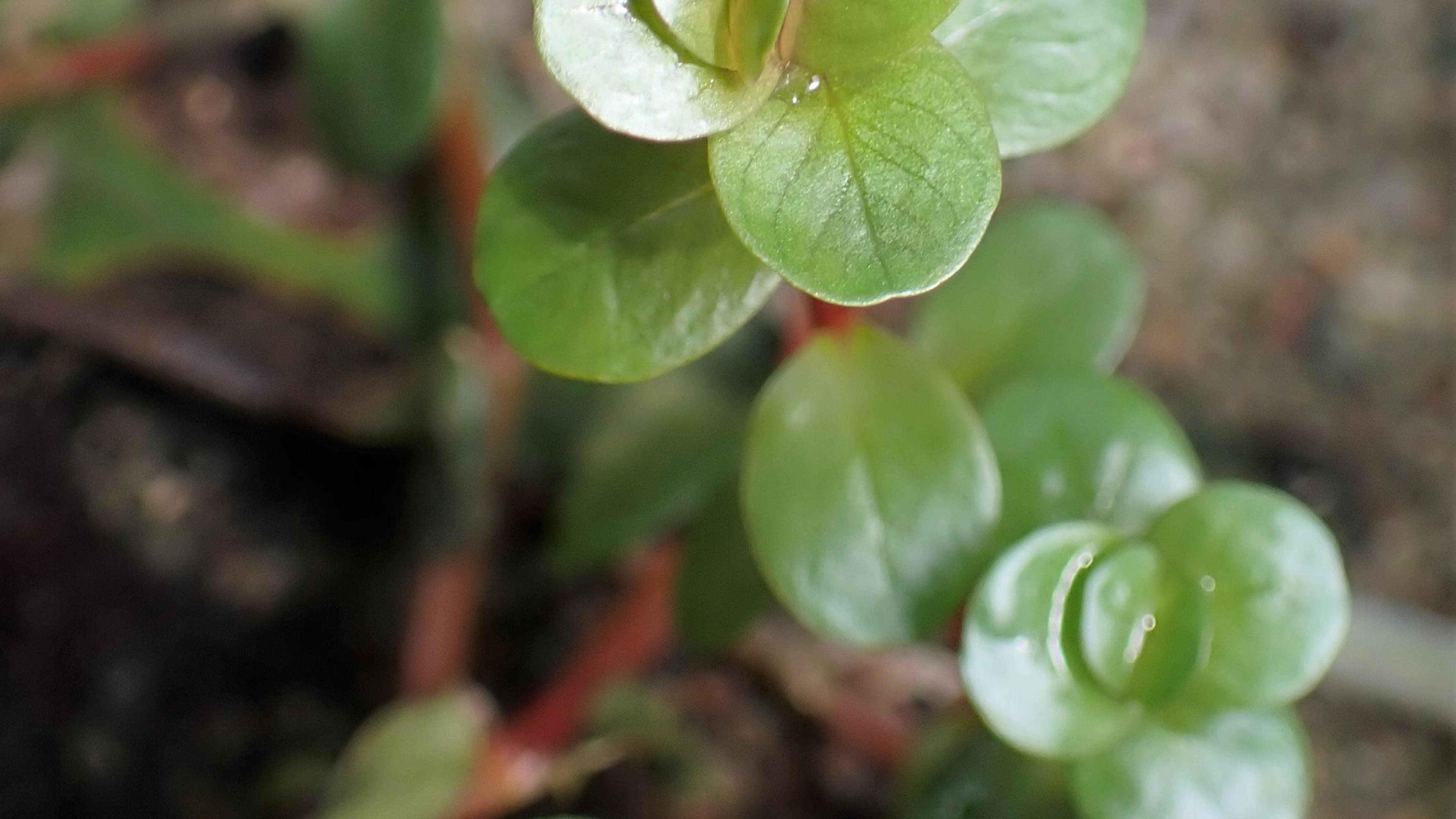
Photo by Krzysztof Ziarnek, Kenraiz on Wikimedia Commons (CC BY-SA 4.0)
In this guide
Rotala rotundifolia is one of the most reliable and popular stem plants in the aquarium hobby. Native to marshlands across Southeast Asia, it earned its species name "rotundifolia" (round-leaved) because its emersed terrestrial form bears small circular leaves. When submerged in an aquarium, however, it undergoes a transformation, producing narrow, delicate lanceolate leaves along upright stems that blush pink, orange, or crimson under proper lighting. For taxonomic details, see the Wikipedia summary on Rotala rotundifolia.
Its rapid growth rate, tolerance of varied water parameters, and responsive branching make it the quintessential background plant for Dutch and Nature style aquascapes. Achieving compact, intensely colored bushes requires balancing light intensity, micro-nutrients, and deliberate trimming.
Water Parameters and Lighting Requirements
Rotala rotundifolia adapts to almost any clean freshwater environment, but achieving peak color demands specific conditions:
| Parameter | Low-Tech Baseline | High-Tech Color Target | Notes |
|---|---|---|---|
| Temperature | 68-82°F (20-28°C) | 73-77°F (23-25°C) | Moderate temperatures prolong leaf longevity |
| pH Level | 6.0-7.6 | 6.2-6.8 | Slightly acidic water enhances nutrient uptake |
| General Hardness (GH) | 3-12 dGH | 4-8 dGH | Prefers soft to medium water |
| Light Intensity (PAR) | Low to Medium (25-40 PAR) | High (50-80+ PAR) | High light triggers anthocyanin red pigments |
| Carbon Dioxide (CO2) | None (ambient) | 20-30 ppm | CO2 shortens internode spacing |
Under dim lighting, Rotala stems stretch upward toward the light source, resulting in wide gaps between leaf nodes and a leggy, green appearance. Under high light with appropriate photoperiod management, the upper leaf crowns turn salmon-pink to ruby-red, and stems begin to creep horizontally before heading upward, creating natural density. Follow our recommended aquarium light schedule to dial in lighting duration without causing algae.
Unlocking Red Coloration: Iron and Nitrate Limitation
Many aquarists believe dumping heavy doses of iron fertilizer is the sole key to red plants. While chelated iron ($Fe$) is necessary for pigment synthesis, intense red color in Rotala rotundifolia is governed by a physiological stress response known as nitrate limitation.
When nitrogen (nitrate, $NO_3^-$) is abundant (above 20-30 ppm), the plant prioritizes rapid vegetative growth and chlorophyll production, keeping leaves green. When nitrate levels are gently restricted to between 5 and 10 ppm while maintaining high light, stable carbon dioxide, and adequate iron and potassium, the plant downregulates green chlorophyll synthesis. This unmasks anthocyanin and carotenoid pigments, turning the top leaves vivid pink and red.
Tips for color optimization:
- Dose a comprehensive liquid micro-nutrient fertilizer containing chelated iron (DTPA or EDDHA) twice weekly.
- Avoid zero nitrates; starvation leads to stunted growing tips, curling leaves, and die-back. Aim for 5-10 ppm.
- Provide strong, full-spectrum LED lighting rich in red (660 nm) and blue (450 nm) wavelengths.
- Maintain consistent substrate fertility using fine-grained aqua soil as detailed in our guide on the best substrate for freshwater aquarium plants.
Pruning Techniques for Bushy Growth
Trimming stem plants correctly separates an untidy bunch of weeds from a sculpted aquascape hedge:
- Initial Planting: Plant individual stems 0.5 to 1 inch apart using fine tweezers. Avoid cramming bunches into a single hole, which blocks light and rots the lower stems.
- The First Cut: Allow stems to grow to within three inches of the water surface. Using sharp curved scissors, cut the stems horizontally across your desired hedge height (typically midway up the tank).
- Branching Reaction: Within four to six days, two or three new side shoots will emerge from the leaf nodes directly beneath each cut. This quadruples the stem count.
- Subsequent Trimmings: When those new shoots grow two to three inches past your hedge line, shear them again slightly higher than your previous cut. Repeating this process creates an impenetrable wall of bushy foliage.
- Rejuvenating Old Stems: Over months of repeated trimming, bottom stems lose lower leaves due to shading. When bottom stalks become woody and bare, pull the entire clump up, snip off the healthy top four inches of foliage, discard the old rooted bottoms, and replant the tops as a fresh grouping.
Pairing vigorous growers like Rotala with good biological filtration, such as a well-maintained sponge filter vs hang on back filter or a canister unit, keeps water polished and free of debris that settles on delicate leaf crowns. Combined with consistent maintenance following how often to do aquarium water changes, this stem species remains one of the most rewarding plants in the hobby.
Optimizing Water Circulation and Nutrient Delivery
Stem plants like Rotala rotundifolia absorb the majority of their dissolved carbon dioxide and liquid fertilizers directly through leaf cuticles. Dense hedges can inadvertently create localized dead spots in their interior where water flow slows, causing lower leaves to drop prematurely. Position filter returns or supplementary circulation pumps to create a gentle, sweeping current across the stem tops. This continuous water motion delivers dissolved nutrients evenly across the entire hedge while sweeping away organic debris before it settles into the lower foliage.
Frequently asked questions
Why is my Rotala rotundifolia green instead of red or pink?
Rotala stays green under low lighting or when nitrate levels are high. To develop intense red, pink, or orange crowns, provide moderate to high lighting (45+ PAR), maintain stable CO2 injection, and keep nitrates in a lean 5-10 ppm range with sufficient chelated iron.
Can Rotala rotundifolia grow in a low-tech tank without CO2?
Yes, it is among the easiest stem plants and grows well in low-tech setups without CO2. However, the leaves will remain predominantly olive-green or light pink and stem internodes will be more spaced out.
Why do new Rotala leaves look different from when I bought it?
Commercial nurseries cultivate Rotala emersed (out of water), producing round, coin-shaped green leaves (rotundifolia means round-leaved). Once submerged, it transforms, sprouting narrow, needle-like submersed leaves.
How do you trim Rotala to create a dense bushy hedge?
Shear the stems horizontally with curved aquascaping scissors at the desired height. Each cut stem responds by sprouting two or three lateral side shoots just below the cut, doubling the foliage density with each trim cycle.
Do you discard Rotala stem trimmings or can they be replanted?
Replant the top trimmings directly into the substrate. The severed tops will grow new white roots within 5 to 7 days, allowing you to multiply your plant mass quickly.
Related guides
Limnophila Sessiliflora Care: Fast-Growing Background Stem Plant Guide
Learn how to grow Limnophila sessiliflora as an easy alternative to Cabomba, master stem pruning, control rapid growth, and balance low-light nutrients.
Staurogyne Repens Care: Foreground Carpet Setup, Pruning, and Lighting
Learn how to grow Staurogyne repens as a lush foreground carpet, master horizontal branching through pruning, and provide proper substrate nutrition.
CO2 Drop Checker Guide: 4 dKH Solution, Color Chart, and Placement Rules
Learn how to use an aquarium CO2 drop checker, prepare 4 dKH reference solution, interpret color charts, and avoid gas toxicity in planted tanks.
Root Tabs vs Liquid Fertilizer in Aquariums: Substrate Feeding vs Water Column
Compare root tabs vs liquid fertilizers in planted aquariums. Learn which plants require substrate feeding, which feed from the water column, and how to balance both.
Aquarium Plant Melting: Emersed Transition, Nutrient Shocks, and Recovery
Understand why new aquarium plants melt, distinguish emersed-to-submersed transitions from water chemistry shock, and learn proper recovery steps.
Amazon Sword Nutrient Deficiencies: Yellow Leaves, Pinholes, and Root Tab Fixes
Diagnose Amazon sword nutrient deficiencies, recognize iron chlorosis and potassium pinholes, and revive starving plants with targeted root fertilizers.
Photo by Djlayton4 , Daniel J. Layton on Wikimedia Commons (CC BY-SA 3.0)