
Vallisneria Spiralis Care: Planting Depth, Runner Propagation, and Trimming
Learn how to grow Vallisneria spiralis, master background planting techniques, control vigorous runner propagation, and trim ribbon leaves safely.

By Sharon Ben-Moshe, Founder, The Aquarium Adviser
Published / 4 min read
In this guide
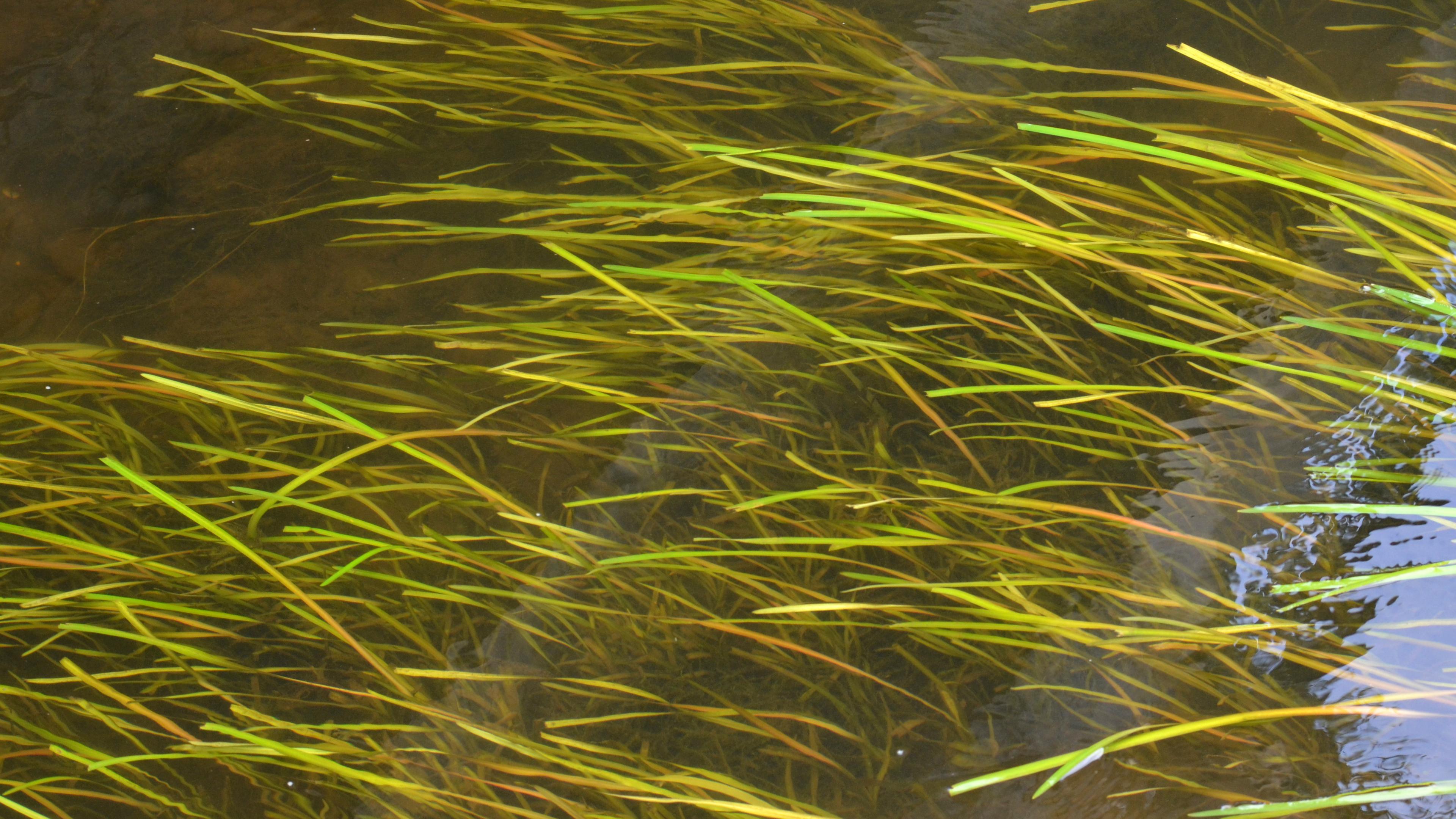
Vallisneria spiralis, commonly called straight val or Italian vallisneria, is a classic background aquatic plant prized for its vertical ribbon-like foliage and rapid growth. Native to tropical and subtropical freshwater habitats worldwide, it creates dense curtain-like backdrops that hide heaters, filter tubes, and cables. For botanical taxonomy, see the Wikipedia summary on Vallisneria spiralis.
Despite its scientific name, the leaves of Vallisneria spiralis are straight rather than twisted; the moniker "spiralis" refers to the coiled flower stalks that wild female plants send to the surface. It is exceptionally durable in hard-water aquariums where softer-leafed plants struggle, making it a favorite for community tanks and rainbowfish biotopes. Because it tolerates higher water flow, it fits easily into tanks equipped with power filtration.
Water Parameters and Environmental Preferences
Vallisneria spiralis is an adaptable plant that flourishes under standard aquarium conditions, but it displays a strong preference for moderate to hard water rich in carbonates:
| Parameter | Recommended Range | Ideal Target | Notes |
|---|---|---|---|
| Temperature | 68-82°F (20-28°C) | 74°F (23°C) | Tolerates seasonal temperature fluctuations well |
| pH Level | 6.5-8.5 | 7.2-7.8 | Prefers neutral to alkaline environments |
| General Hardness (GH) | 5-20 dGH | 8-14 dGH | Calcium and magnesium support cellular structure |
| Carbonate Hardness (KH) | 4-12 dKH | 6-8 dKH | High KH fuels biogenic decalcification |
| Lighting Intensity | Low to Moderate (20-45 PAR) | 30 PAR | Grows under modest standard LED aquarium lights |
| Growth Rate | Fast | 2-4 inches per week | Forms dense stands within two months |
In hard water with high carbonate hardness, Vallisneria can extract dissolved carbon directly from bicarbonate ions ($HCO_3^-$) through a process called biogenic decalcification. When plants utilize bicarbonates in high-light, un-injected tanks, you may observe a faint, powdery white film of calcium carbonate precipitate on leaf surfaces. This adaptation allows it to flourish without supplemental carbon dioxide gas. For hobbyists seeking hardy vegetation, explore our collection of low light aquarium plants.
Critical Planting Depth: Avoiding Crown Rot
The single most common mistake with Vallisneria is burying the plant too deeply into gravel or sand. If the crown (the pale junction where leaves meet the root cluster) is buried beneath the substrate, water circulation around the growth node is cut off, causing leaves to turn brown, detach, and rot within days.
Follow this planting procedure:
- Grasp the roots with planting tweezers and insert the plant completely into the substrate to anchor it.
- Gently pull the plant upward by the base of the leaves until the white crown emerges completely above the sand or gravel line.
- Ensure only the roots remain buried. Lightly tap the surrounding substrate to secure the root fibers in place.
- If planting in plain sand, choose inert grains that do not compact heavily, following the substrate recommendations in our guide on best substrate for freshwater aquarium plants.
- Place a root tab capsule beneath each cluster when planting in inert media to jump-start root development.
Runner Propagation and Pruning Techniques
Once settled, Vallisneria reproduces prolifically by sending out horizontal subterranean runners (stolons). Every two to four inches along the runner, a new daughter plant emerges with its own root system. Within weeks, runners can spread into midground plant beds where they are not wanted.
To control spreading:
- Directing Runners: Unearth stray runners with tweezers and redirect them along the back glass, or clip the connecting stolon once the daughter plant possesses four to five leaves. You can replant severed daughter crowns anywhere in the aquarium.
- Leaf Trimming: As leaves reach the surface, they trail horizontally across the water line, blocking light from reaching shorter foreground plants. Trim overgrown leaves using sharp scissors. Cut leaves individually at an angle near the surface, or snip older, yellowing outer leaves down at the base crown.
- Avoid Crushing Leaves: Never tear or pinch leaves with your fingernails. Crushing leaf tissues allows bacteria to invade the vascular bundles, causing the remaining leaf blade to decay downward.
Vallisneria also acts as an efficient nutrient sponge, absorbing dissolved nitrates and phosphates from the water column. Incorporating a dense stand helps control nuisance algae, complementing strategies outlined in our guide on how to lower nitrates in an aquarium. Vacuuming around runner bases during regular maintenance as outlined in how to clean aquarium sand keeps the root bed aerated and clean.
Water Flow and Tank Placement Guidelines
Vallisneria spiralis thrives in tanks with moderate to brisk water circulation. Position your background stands along the rear glass where filter return currents from canister spray bars or hang-on-back outflows gently ripple the ribbon leaves. This movement delivers continuous dissolved minerals and carbon to the foliage while preventing organic particulate matter from settling on the leaf blades. To prevent long leaves from wrapping around filter intake tubes and reducing pump flow, trim trailing surface blades regularly or install a cylindrical pre-filter intake sponge over the intake strainer.
Frequently asked questions
Why are my Vallisneria leaves turning transparent and rotting?
The most common cause is burying the crown too deeply beneath the substrate. The white base of the plant where the leaves meet the roots must remain exposed to the water column. Liquid carbon products containing glutaraldehyde also melt Vallisneria.
Can you cut Vallisneria leaves to keep them shorter?
Yes, you can trim Vallisneria leaves with sharp aquascaping scissors. Cut the longest outer leaves near the base or snip them at an angle at the water surface. Dull scissors crush leaf cells, causing the trimmed ends to rot back several inches.
Does Vallisneria prefer hard or soft water?
Vallisneria thrives in moderate to hard water with a pH of 7.0 to 8.2 and a KH above 4 dKH. It can absorb bicarbonates directly from hard water to fuel photosynthesis, making it less suitable for very soft, acidic blackwater tanks.
How fast does Vallisneria spread in a planted tank?
Under moderate lighting and with root fertilization, a single healthy plant produces one to two runners per week, sending daughter plantlets across the substrate bed and forming a dense background thicket within two months.
What is the difference between Vallisneria spiralis and Vallisneria americana?
Vallisneria spiralis (straight or Italian val) has narrower, ribbon-like leaves that typically grow 12 to 24 inches long. Vallisneria americana (jungle val) develops much broader, tape-like leaves that can exceed 4 to 6 feet in length.
Related guides
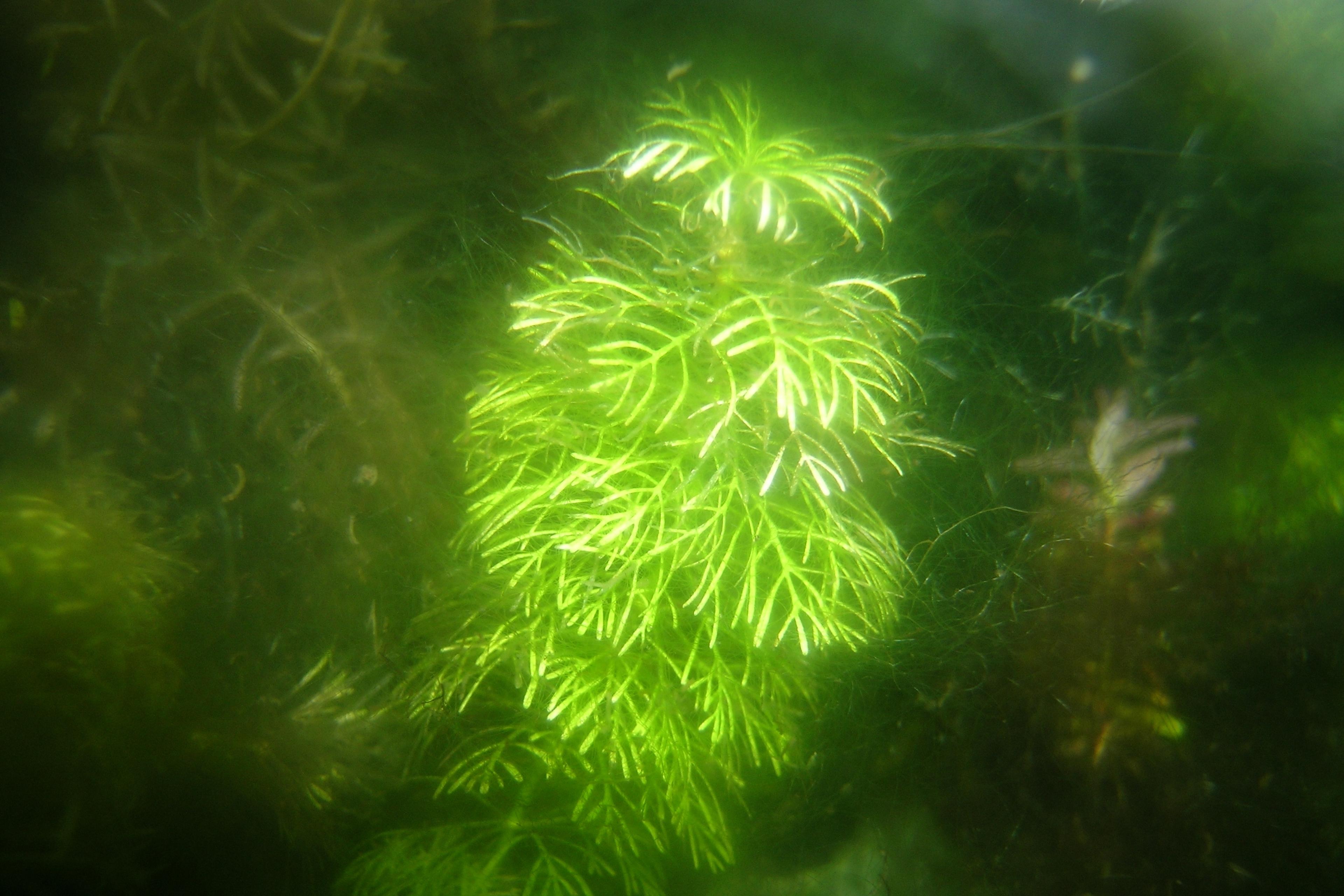
Limnophila Sessiliflora Care: Fast-Growing Background Stem Plant Guide
Learn how to grow Limnophila sessiliflora as an easy alternative to Cabomba, master stem pruning, control rapid growth, and balance low-light nutrients.
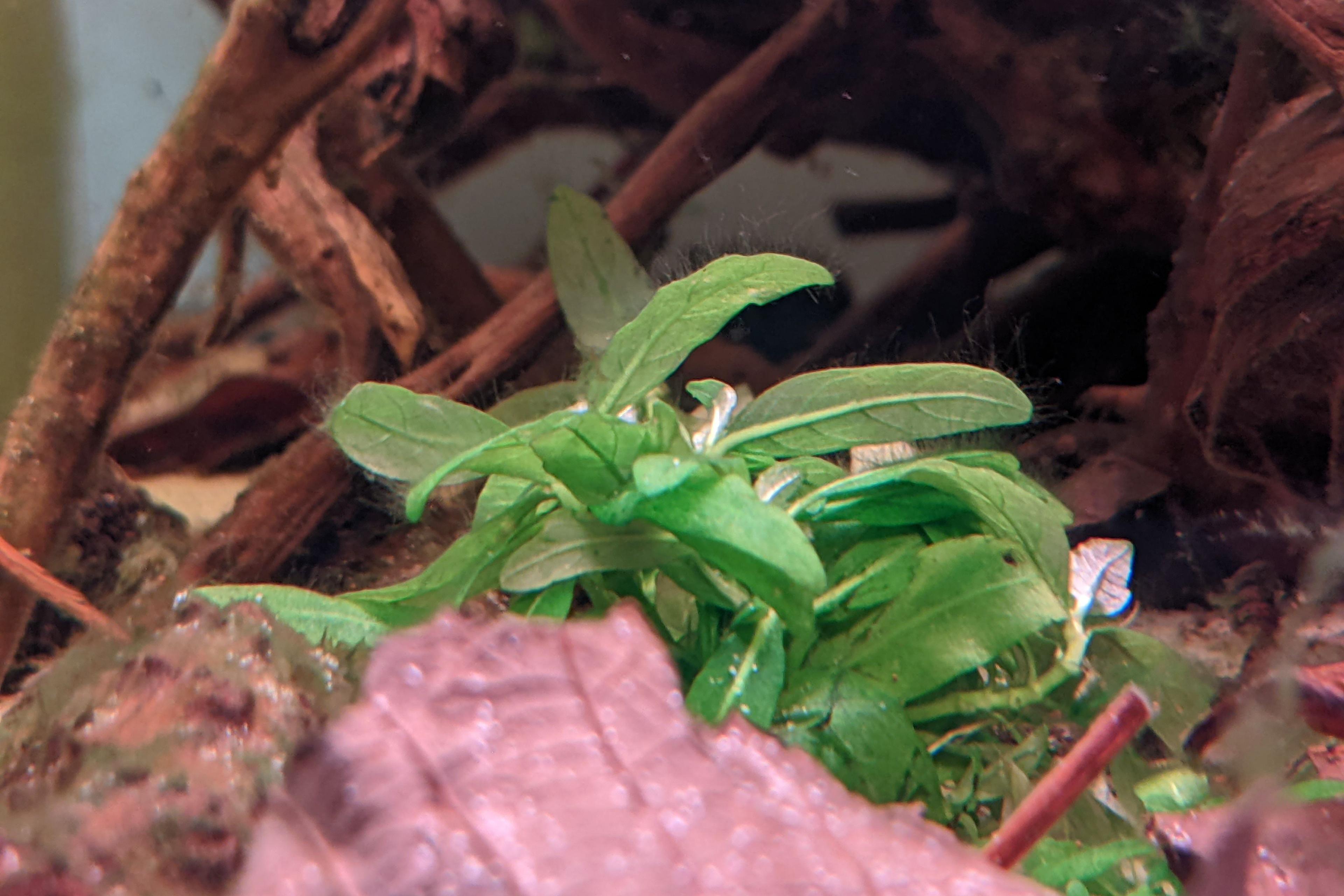
Staurogyne Repens Care: Foreground Carpet Setup, Pruning, and Lighting
Learn how to grow Staurogyne repens as a lush foreground carpet, master horizontal branching through pruning, and provide proper substrate nutrition.
CO2 Drop Checker Guide: 4 dKH Solution, Color Chart, and Placement Rules
Learn how to use an aquarium CO2 drop checker, prepare 4 dKH reference solution, interpret color charts, and avoid gas toxicity in planted tanks.
Root Tabs vs Liquid Fertilizer in Aquariums: Substrate Feeding vs Water Column
Compare root tabs vs liquid fertilizers in planted aquariums. Learn which plants require substrate feeding, which feed from the water column, and how to balance both.
Aquarium Plant Melting: Emersed Transition, Nutrient Shocks, and Recovery
Understand why new aquarium plants melt, distinguish emersed-to-submersed transitions from water chemistry shock, and learn proper recovery steps.
Amazon Sword Nutrient Deficiencies: Yellow Leaves, Pinholes, and Root Tab Fixes
Diagnose Amazon sword nutrient deficiencies, recognize iron chlorosis and potassium pinholes, and revive starving plants with targeted root fertilizers.
Photo by Djlayton4 , Daniel J. Layton on Wikimedia Commons (CC BY-SA 3.0)