
Keeping Zebra Danios and Neon Tetras Together in One Tank
Zebra danios and neon tetras can coexist peacefully in the same aquarium when provided with adequate swimming space and compatible water conditions. Maintaining a school of at least six of each species and keeping water temperatures near 72-75°F prevents stress and fin nipping.

By Sharon Ben-Moshe, Founder, The Aquarium Adviser
Updated / 7 min read
In this guide
Keeping zebra danios and neon tetras together works well in community aquariums of 20 gallons or larger, provided the water temperature stays within their overlapping range of 72-75°F. Both species are peaceful shoaling fish that occupy different water layers, but their contrasting activity levels require deliberate tank planning to avoid unnecessary stress.
| Parameter or Trait | Zebra Danio (Danio rerio) | Neon Tetra (Paracheirodon innesi) | Overlapping Community Target |
|---|---|---|---|
| Adult size | 1.5-2.0 inches | 1.0-1.25 inches | Compatible community size |
| Native habitat | South Asian streams and floodplains | Upper Amazon blackwater tributaries | Stable planted aquarium |
| Water temperature | 64-77°F (18-25°C) | 70-78°F (21-26°C) | 72-75°F (22-24°C) |
| Water pH | 6.5-7.5 | 6.0-7.0 | 6.6-7.2 |
| General hardness | 5-15 dGH | 2-10 dGH | 5-8 dGH |
| Primary swimming level | Upper third to water surface | Middle water column | Natural zone separation |
| Minimum group size | 6-8 individuals | 6-10 individuals | 6+ of each species |
| Minimum tank volume | 20 gallons (Long footprint) | 10 gallons | 20 gallons Long (30 inches wide) |
Can zebra danios live with neon tetras safely?
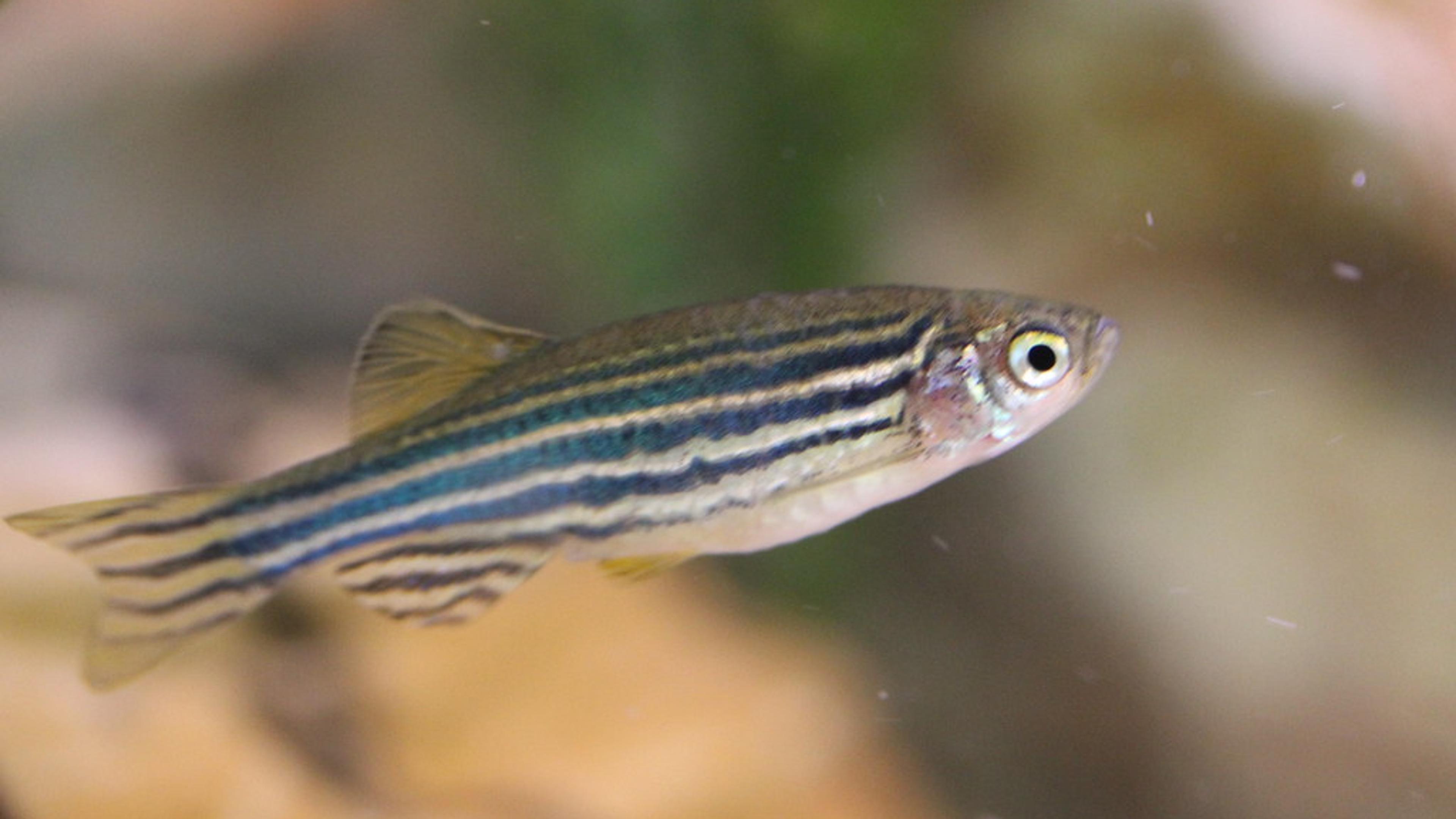
Zebra danios (Danio rerio) and neon tetras (Paracheirodon innesi) are fundamentally compatible because neither species possesses predatory instincts toward fish of comparable size. Zebra danios are surface-oriented cyprinids with small, upturned mouths adapted for catching drifting insects and floating micro-crustaceans. Neon tetras are small characins that graze on microscopic invertebrates in the mid-water column. Neither species views the other as food, and neither establishes territorial claims over substrate boundaries or caves.
The behavioral friction between these two species stems from swimming speed rather than aggression. Zebra danios are tireless, high-energy sprinters that spend all daylight hours chasing one another across the upper water layer. In contrast, neon tetras prefer a relaxed, stationary hover where they drift quietly in the lower to middle depths. If an aquarium lacks adequate horizontal swimming room, the constant movement of zebra danios can intimidate neon tetras, causing them to lose color intensity and hide in corners.
Group size directly controls danio social behavior. When kept in numbers fewer than six, individual zebra danios often develop erratic behaviors. The dominant fish lacks sufficient conspecific sparring partners to dissipate its excess energy, which can lead it to pursue peaceful tank mates like neon tetras or nip at trailing fins. Maintaining a proper school of six to eight danios keeps their high-speed sparring confined strictly to their own species. For practical advice on maintaining proper group numbers and schooling dynamics, consult our zebra danio care guide. Similarly, neon tetras require a cohesive school of at least six to eight fish to maintain confidence and display their natural shoaling structure.
Water chemistry and temperature requirements
Balancing the environmental needs of zebra danios and neon tetras requires targeting their shared physiological tolerance zone. According to the Seriously Fish profile for Danio rerio, zebra danios originate from subtropical streams and floodplains across India and Bangladesh, tolerating seasonal temperatures from 64°F to 77°F. By comparison, data from the Seriously Fish profile for Paracheirodon innesi indicates that neon tetras hail from the warm, slow-flowing forest tributaries of the upper Amazon basin, typically requiring temperatures between 70°F and 78°F.
The shared temperature window sits between 72°F and 75°F (22-24°C):
- Sustained water temperatures above 77°F accelerate the metabolic rate of zebra danios, forcing them to burn through energy reserves rapidly and reducing their natural 3-5 year lifespan.
- Water temperatures dropping below 70°F weaken the immune defenses of neon tetras, making them susceptible to opportunistic fungal infections, ich, or systemic wasting.
- An adjustable submersible aquarium heater calibrated to 73°F or 74°F provides the ideal thermal stability for both species year-round.
Water hardness and acidity present fewer challenges than temperature. Wild neon tetras come from soft, acidic blackwaters with minimal dissolved mineral content, as documented on the Wikipedia page for the neon tetra. However, the vast majority of neon tetras in the aquarium trade are commercially farm-raised and readily adapt to neutral tap water. Zebra danios naturally tolerate a wide range from slightly acidic to moderately alkaline conditions.
Aim for a stable pH between 6.6 and 7.2 and a general hardness (GH) of 5-8 dGH. Before introducing either species to the aquarium, the filter system must complete the aquarium nitrogen cycle so that ammonia and nitrite remain at zero. Neon tetras possess low tolerance for accumulated nitrates and dissolved organics. Keep nitrate levels under 20 ppm through consistent weekly 25% water changes using a dechlorinator that neutralizes chlorine and chloramines. For an in-depth breakdown of water parameters and disease prevention, our neon tetra care guide outlines long-term maintenance practices.
Tank size and aquascape layout
A standard 20-gallon long aquarium (measuring 30 inches long by 12 inches wide by 12 inches tall) is the practical minimum size for housing zebra danios and neon tetras together. Standard 10-gallon tanks measure only 20 inches across. While a 10-gallon setup can support the biological waste load of a small group, it lacks the horizontal sprint length that zebra danios demand. Danios confined to 20 inches of linear space repeatedly encroach on the mid-water zone where neon tetras rest, creating persistent stress. A 30-inch tank provides enough lateral distance for danios to burn off sprint energy along the top without disrupting the schooling territory below.
Thoughtful aquascaping helps preserve tranquility between both groups:
- Keep the upper third of the tank clear of dense vegetation so zebra danios have an unobstructed horizontal lane for fast surface swimming.
- Anchor tall stem plants or root-feeding species along the back and side glass panels. Species like Vallisneria americana, Amazon swords (Echinodorus), and Java fern (Microsorum pteropus) form visual partitions that provide neon tetras with secure resting pockets.
- Add driftwood branches to create vertical structure. Malaysian driftwood or spider wood breaks up sightlines between the upper water column and the lower substrate, keeping danios from dominating the visual field of the tank.
- Adjust filter outflow to create distinct current zones. Pointing the filter return across the upper surface generates a brisk current for the danios, while plant thickets below buffer the flow into calm resting areas for the neon tetras.
- Secure the aquarium with a tight-fitting lid or mesh screen. Zebra danios leap easily through small gaps around heater cords and filter cutouts when startled or during morning spawning activity.
How to feed both species without competition
Feeding a mixed community of zebra danios and neon tetras requires a deliberate feeding strategy because their feeding habits differ significantly. Zebra danios react instantly to any food introduced at the surface, lunging aggressively and clearing floating flakes in seconds. Neon tetras are deliberate, cautious feeders that rarely break the surface film, preferring to intercept food particles as they drift downward through the water column.
Scattering flakes directly on the water surface usually allows the danios to gorge themselves while the neon tetras go hungry. Over time, underfed neon tetras develop sunken bellies, pale coloration, and compromised immune resistance.
Use a two-zone feeding routine to ensure both species receive balanced nutrition:
- First, scatter a small pinch of light flake food across one corner of the water surface. The zebra danios will immediately rush to that side and feed at the top of the tank.
- While the danios are occupied, submerge a pinch of micro-pellets or slow-sinking granules on the opposite side of the tank. Releasing the food just below the waterline allows it to fall past the surface directly into the neon tetras' hovering territory.
- Supplement their staple diet two to three times per week with frozen daphnia, baby brine shrimp, or cyclops. These small foods match the mouth sizes of both species and encourage natural foraging instincts.
- Feed only what the fish can finish within two minutes, once or twice per day. Siphoning uneaten food during regular maintenance prevents organic waste from fouling the filter media and triggering ammonia spikes.
Which tank mates work well with this pair?
In a 20-gallon long or larger aquarium, adding complementary species can round out the community without disturbing the balance between zebra danios and neon tetras. Because the danios occupy the surface and neon tetras hold the mid-water layer, peaceful bottom dwellers make the most logical additions.
Compatible tank mates for this setup include:
- Small corydoras catfish like panda corydoras (Corydoras panda) or pygmy corydoras (Corydoras pygmaeus), which forage along the sand bed without competing for open swimming room.
- Invertebrate scavengers such as a trio of zebra nerite snails or Amano shrimp (Caridina multidentata) to consume soft algae and biofilm on plant leaves and hardscape.
- Peaceful nano fish like celestial pearl danios or small rasboras in larger setups of 30 gallons or more with heavy plant cover.
Species to avoid include:
- Long-finned slow swimmers such as male bettas and fancy guppies, whose trailing fins tempt fast-moving danios to nip.
- Predatory cichlids like angelfish or convict cichlids, which will eat neon tetras once grown.
- Coldwater fish like goldfish, which produce heavy waste, require colder water, and eventually swallow small tetras whole.
Frequently asked questions
Can zebra danios and neon tetras live in a 10-gallon tank?
A 10-gallon tank is not recommended for keeping zebra danios and neon tetras together. Zebra danios are rapid sprinters requiring at least 30 inches of linear swimming space to dissipate energy naturally. When confined to a 20-inch, 10-gallon tank, danios frequently harass mid-water neon tetras and create chronic social stress.
Will zebra danios nip the fins of neon tetras?
Zebra danios rarely nip neon tetra fins when kept in proper schools of six or more individuals in an adequately sized tank. In small groups of fewer than six, danios lack internal social sparring partners and can turn their excess energy outward toward slower tank mates. Maintaining a full school of both species prevents fin nipping.
What is the ideal water temperature for zebra danios and neon tetras?
The ideal water temperature for a combined tank is 72-75°F (22-24°C). This narrow range represents the healthy overlap between subtropical zebra danios, which prefer 64-77°F, and tropical neon tetras, which thrive between 70-78°F. An adjustable submersible heater keeps this temperature stable throughout seasonal room temperature shifts.
How many zebra danios and neon tetras should be kept together?
In a standard 20-gallon long aquarium, a balanced community consists of 6-8 zebra danios and 8-10 neon tetras. Keeping at least six of each species satisfies their schooling instincts, reduces timidity, and distributes intra-species energy. Avoid stocking either species in groups smaller than six.
Do zebra danios eat the same food as neon tetras?
Both species are omnivorous and eat micro-pellets, high-quality flake food, and small frozen foods like daphnia and brine shrimp. Because zebra danios feed aggressively at the surface while neon tetras feed cautiously in the mid-water, food should be distributed in two steps so that the tetras receive their share before the danios consume everything.
Related guides
Popular Tetra Species for Community Aquariums: Types and Care
Tetras bring color, active schooling behavior, and peaceful temperaments to planted freshwater aquariums. Learn how water chemistry, group size, and species selection shape a successful community tank.
Neon Tetra Disease Symptoms, Treatment, and Diagnosis
True neon tetra disease is an incurable parasitic infection of muscle tissue caused by Pleistophora hyphessobryconis. Recognizing early symptoms and distinguishing them from treatable bacterial columnaris protects community aquariums from devastating losses.
Boesemani Rainbowfish Care Guide: Tank Size, Water, and Diet
Learn how to care for Boesemani rainbowfish with proper 4-foot tank dimensions and hard alkaline water parameters. A balanced, protein-heavy diet ensures males develop their classic two-toned coloration.
Peppered Corydoras Care Guide: Tank Setup, Substrate, and Breeding
Peppered corydoras thrive in cool freshwater aquariums with soft sand substrates, steady filtration, and a social group of six or more. Learn how to maintain ideal water parameters, safeguard sensory barbels, and trigger natural spawning.
Glass Catfish Tank Care: Schooling, Water Flow, and Diet
Proper glass catfish tank care demands mature water conditions, gentle horizontal flow, and shaded midwater zones. Keeping these delicate, scaleless fish in groups of six or more ensures steady feeding and calm schooling behavior.
Clown Killifish Nano Tank Care: Setup, Diet, and Breeding
Clown killifish (*Epiplatys annulatus*) thrive in heavily planted nano aquariums with calm surface water, soft parameters, and floating plant cover. This guide covers filtration, jumping prevention, daily feeding, and raising fry.