
Rosy Barb Care: Pethia Conchonius Schooling, Cooler Water, and Tank Mates
Learn how to care for rosy barbs (Pethia conchonius), manage schooling behavior, provide cooler water temperatures, and protect live plants.

By Sharon Ben-Moshe, Founder, The Aquarium Adviser
Published / 4 min read
In this guide
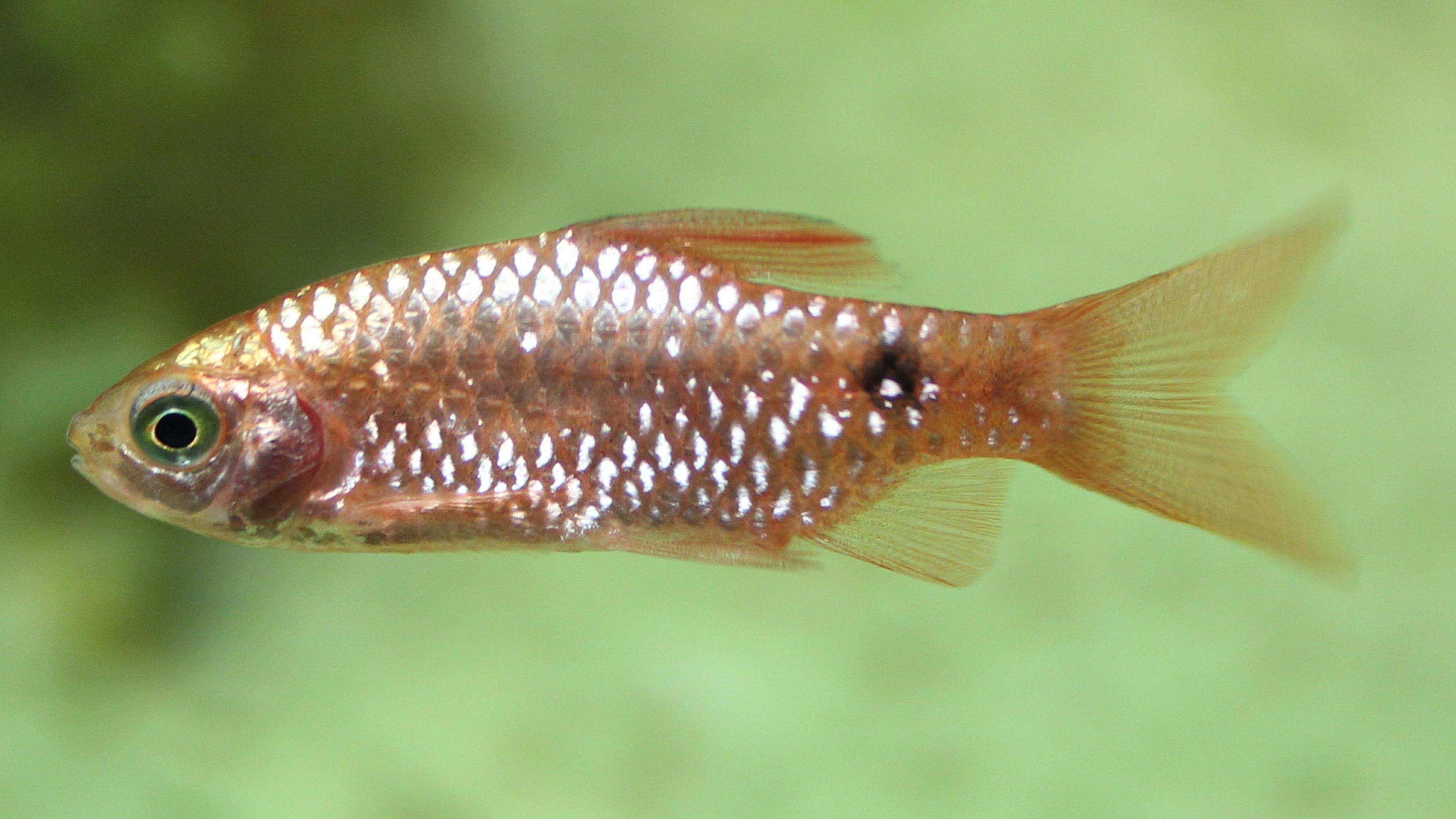
The rosy barb (Pethia conchonius, formerly Puntius conchonius) is a hardy, energetic cyprinid native to the fast-flowing rivers, streams, and lakes of northern India, Pakistan, Bangladesh, and Nepal. Growing to an adult size of 3 to 4 inches (7.5-10 cm), it is one of the most resilient and visually captivating schooling fish in the aquarium hobby. For biological background and native range, see the Wikipedia summary on Rosy barb.
Unlike delicate tropical fish that demand pristine warmth, rosy barbs originate in subtropical, snow-fed watersheds. They flourish in cooler room temperatures without supplemental heaters, making them an economical and active centerpiece for unheated setups. Understanding their schooling dynamics and plant preferences ensures peaceful community coexistence.
Water Parameters and Cool-Water Advantages
Pethia conchonius possesses extraordinary environmental adaptability, tolerating temperature and chemistry ranges that would kill sensitive tetras:
| Parameter | Recommended Range | Ideal Target | Notes |
|---|---|---|---|
| Temperature | 64-75°F (18-24°C) | 68-72°F (20-22°C) | Cooler water prolongs lifespan and health |
| pH Level | 6.5-8.0 | 7.0-7.5 | Highly adaptable to soft and hard water |
| General Hardness (GH) | 5-18 dGH | 8-12 dGH | Supports active osmoregulation |
| Carbonate Hardness (KH) | 3-10 dKH | 4-6 dKH | Stable buffer prevents sudden pH drift |
| Minimum Tank Size | 30 Gallons (long) | 40-55 Gallons | High-speed horizontal swimming space |
| Schooling Size | 6+ fish | 8-10 individuals | Prevents fin-nipping behavior |
Running rosy barbs in unheated tanks at 68-72°F reduces their metabolic stress, slows senescence, and increases dissolved oxygen retention in the water column. In summer, they can even be kept in outdoor patio tubs and ponds, as detailed in our guide on predator proofing a backyard pond.
Schooling Dynamics and Fin-Nipping Prevention
Like tiger barbs, rosy barbs possess a hierarchical social structure. When kept as solitary fish or in small trios, they experience chronic stress and often express their frustration by chasing slower tank mates or nipping trailing fins:
- The Group Size Rule: Always keep rosy barbs in a school of at least six individuals, with eight to ten preferred. Within a large school, males establish territories and spend their energy sparring harmlessly with rival males, displaying flaring fins and intensified red coloration.
- Tank Dimensions: Choose a tank that emphasizes horizontal length over vertical height. A standard 3-foot (30-gallon long) or 4-foot (55-gallon) tank provides the necessary runway for their high-speed bursts.
- Compatible Tank Mates: Pair rosy barbs with sturdy, active fish that share their cool-water preferences: zebra danios, white cloud mountain minnows, peaceful bottom corydoras, and dwarf loaches. Avoid housing them with slow, long-finned fish like standard angelfish, fancy guppies, or bettas.
Diet, Plant Safety, and Feeding Practices
Rosy barbs are enthusiastic omnivores with hearty appetites:
- Vegetable Nutrition: In nature, barbs graze on filamentous algae, plant matter, and detritus. If deprived of plant fiber, they will shred delicate aquarium plants. Provide blanched spinach, zucchini coins, spirulina flakes, and duckweed to satisfy their herbivorous cravings.
- Plant Selection: In planted tanks, furnish the background with tough, unpalatable plants that barbs will not chew, such as Anubias, Java fern, and established Amazon swords.
- Protein Staples: Supplement with high-quality insect-based flakes, sinking micro-pellets, and frozen daphnia or bloodworms twice weekly.
Provide moderate water movement from a power filter or canister outflow to simulate their native river habitats. Maintain pristine water through regular partial drains, following our schedule for how often to do aquarium water changes to manage nitrates as discussed in how to lower nitrates in an aquarium.
Plant Selection and Nibbling Prevention
Because rosy barbs enjoy grazing on soft organic matter, delicate feathery stem plants like cabomba, bladderwort, or baby tears often suffer heavy leaf damage. To create a lush green environment that withstands active barb browsing, choose tough, leathery aquatic plants. Anubias, Java fern, Cryptocoryne retrospiralis, and thick stands of Vallisneria hold up well against energetic nibbling. Anchoring epiphytic plants directly onto heavy river rocks or bogwood branches keeps their root crowns secure. Additionally, providing daily vegetable supplements such as blanched zucchini slices, softened baby spinach, or spirulina flakes satisfies their appetite for greens and steers them away from grazing on ornamental foliage.
Temperature Fluctuation and Seasonal Cooling
In natural river basins of northern India, rosy barbs experience seasonal temperature drops during cooler winter months. Providing a similar gentle seasonal rhythm in home aquariums supports long-term vigor and stimulates natural breeding cycles in the spring. Allowing water temperatures to dip into the upper 60s for two to three months rests female egg producers and prevents metabolic burnout. When spring arrives, gradually raising tank temperatures to 74 degrees Fahrenheit combined with live mosquito larvae feeding triggers courtship chases and active spawning behavior. In addition, ensure your tank lid is firmly weighted down or clipped in place. When rosy barbs chase each other enthusiastically during feeding sessions or morning courtship sparring, they often leap several inches above the water line, making a secure cover necessary to prevent accidental jumps.
Frequently asked questions
Do rosy barbs need a heater in home aquariums?
In most indoor rooms kept at 68 to 74 degrees Fahrenheit, rosy barbs do not need a heater. They are temperate subtropical fish that thrive in cooler water between 64 and 75°F (18-24°C), and keeping them constantly above 78°F shortens their lifespan.
Are rosy barbs aggressive fin nippers?
Rosy barbs can nip fins if kept in small numbers (under five) or cramped tanks. When housed in an active school of six or more in a spacious 30-gallon tank, they direct their energy toward chasing each other, leaving peaceful tank mates alone.
Do rosy barbs eat live aquarium plants?
Rosy barbs have herbivorous tendencies and will nibble delicate, soft-leaved plants like duckweed, Rotala, and Cabomba. Pair them with durable, fibrous plants like Anubias, Java fern, and Amazon swords.
How do you tell male and female rosy barbs apart?
Mature males develop a fiery coppery-red or deep rose color across their flanks, especially during courtship, with black markings on their dorsal fin. Females are slightly larger, rounder in the belly, and display a subtle olive-gold or silver hue.
What is the minimum tank size for a school of rosy barbs?
A 30-gallon long aquarium (36 inches in length) is the recommended minimum. Rosy barbs are fast, energetic swimmers that reach 3 to 4 inches in length and require open horizontal swimming lanes.
Related guides
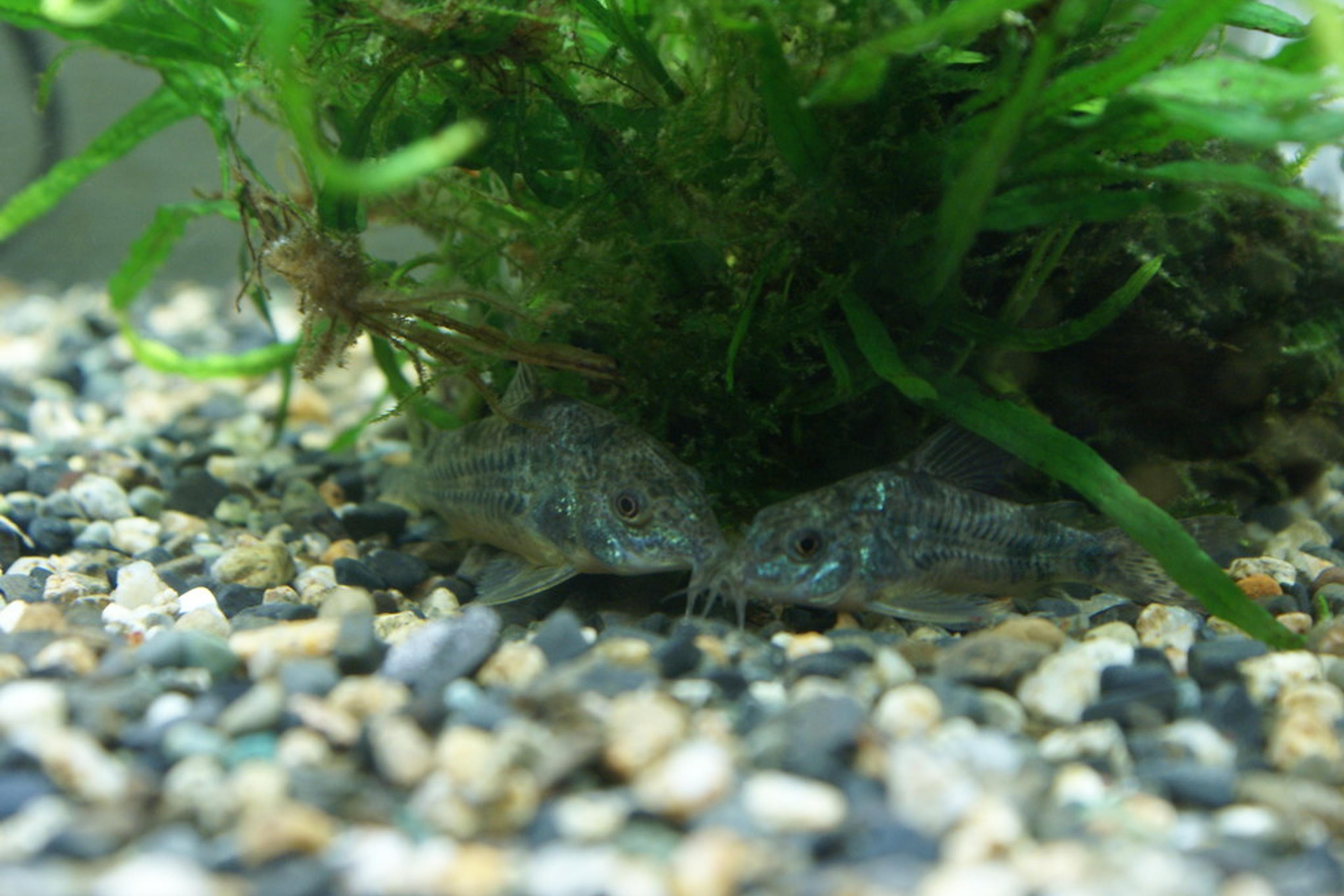
Peppered Corydoras Care: Corydoras Paleatus Setup, Sand Substrate, and Breeding
Learn how to care for peppered corydoras (Corydoras paleatus), provide cool-water community setups, protect barbels on sand, and trigger spawning.
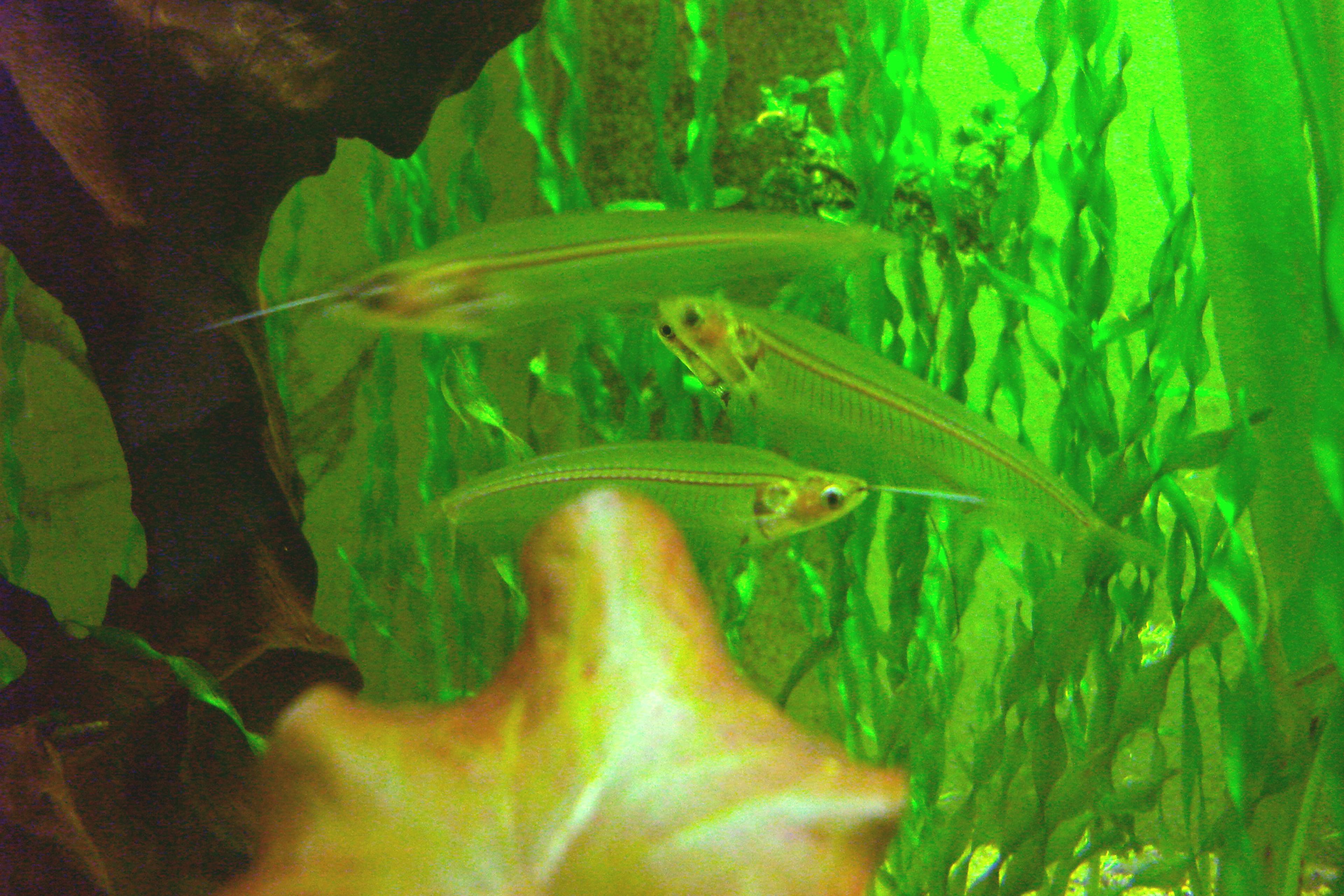
Glass Catfish Care: Kryptopterus Vitreolus Schooling, Water Flow, and Diet
Learn how to care for glass catfish (Kryptopterus vitreolus), maintain tight schooling groups, set up gentle water flow, and feed timid transparent fish.
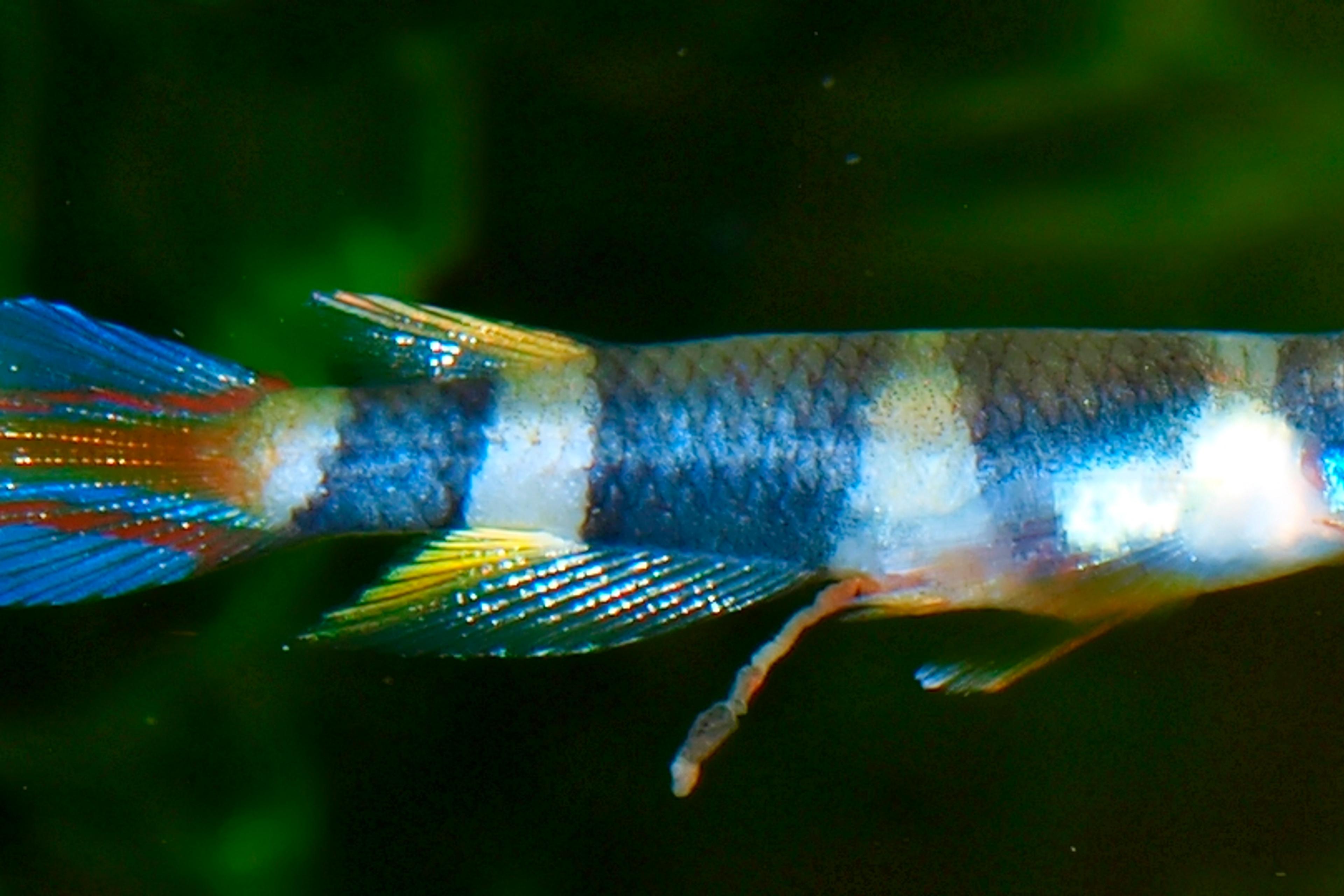
Clown Killifish Care: Epiplatys Annulatus Nano Setup, Feeding, and Flow
Learn how to care for clown killifish (Epiplatys annulatus), set up low-flow nano tanks, provide floating plant cover, and feed surface live foods.
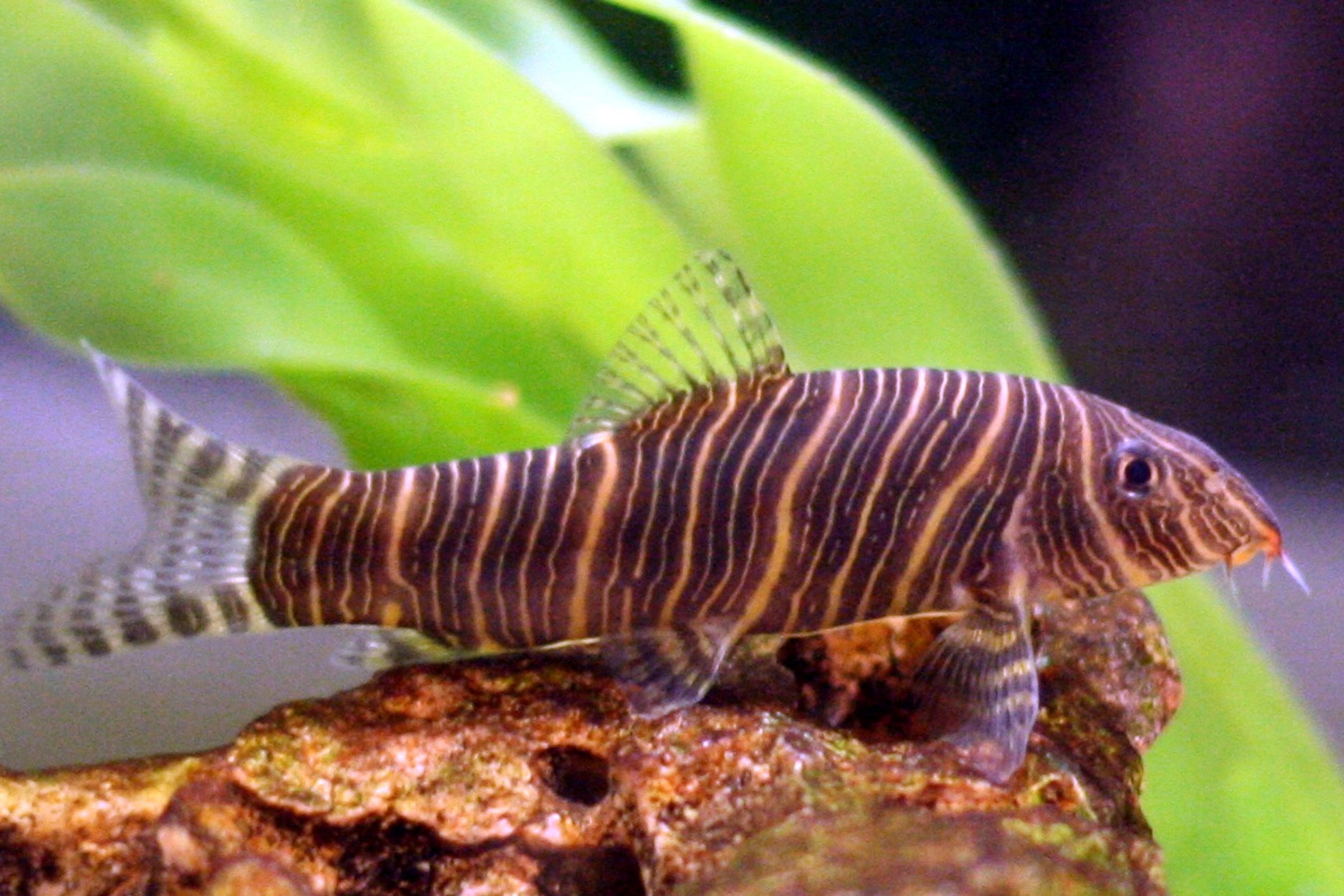
Zebra Loach Care: Botia Striata Schooling, Snail Eating, and Tank Setup
Learn how to care for zebra loaches (Botia striata), maintain peaceful social groups, utilize natural snail control, and select soft sand substrates.
Gold Barb Care: Tank Size, Peaceful Shoaling, and Water Guide
Complete gold barb care guide covering 20-to-30-gallon tank setups, peaceful shoaling, unheated aquarium hardiness, water parameters, and diet.
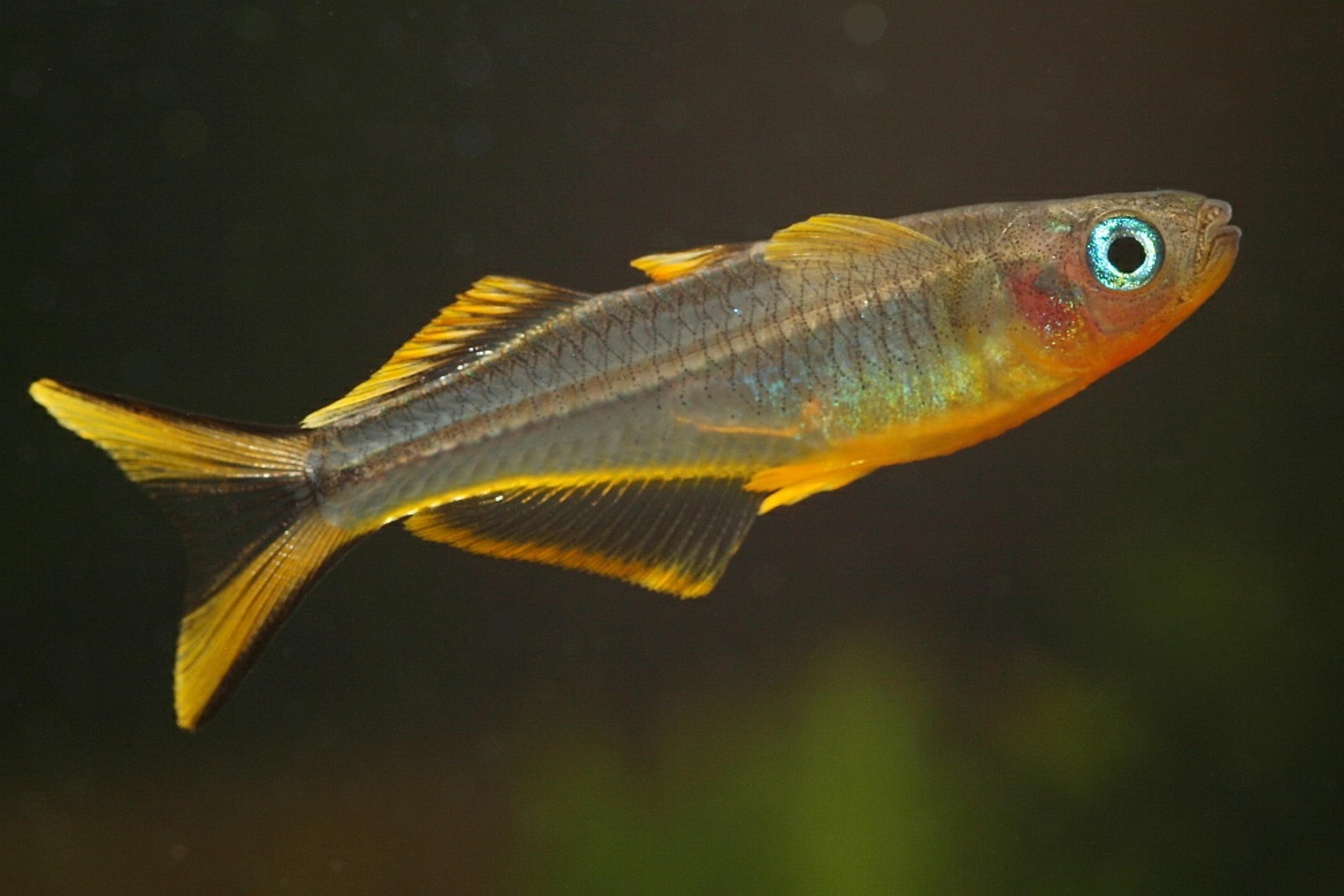
Forktail Rainbowfish Care: Nano Planted Tank and Flaring Guide
Learn how to care for active forktail blue-eye rainbowfish, covering planted nano setups, male fin-flaring displays, water parameters, and diet.