
Zebra Loach Care: Botia Striata Schooling, Snail Eating, and Tank Setup
Learn how to care for zebra loaches (Botia striata), maintain peaceful social groups, utilize natural snail control, and select soft sand substrates.

By Sharon Ben-Moshe, Founder, The Aquarium Adviser
Published / 4 min read
In this guide
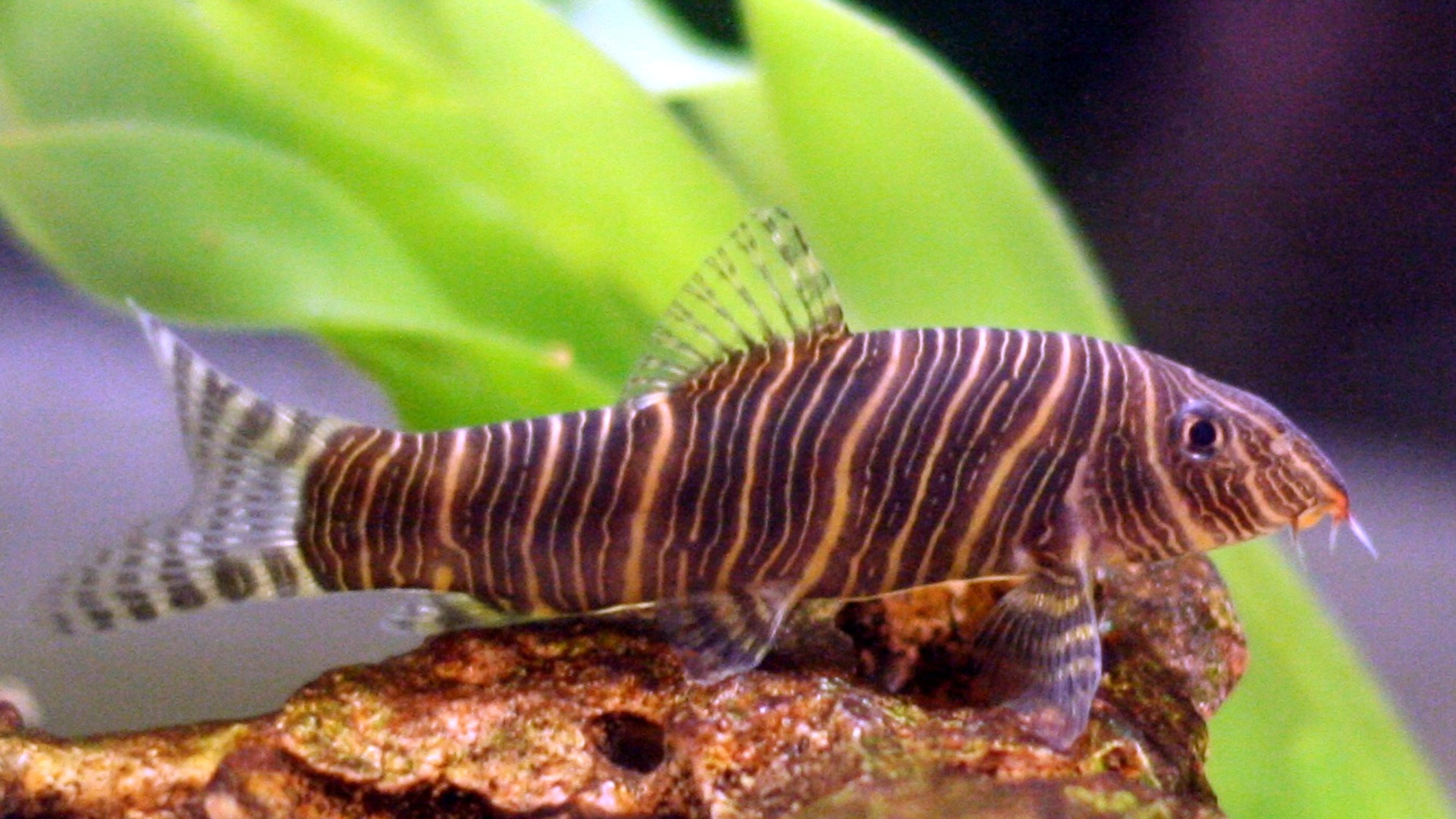
The zebra loach (Botia striata) is a peaceful, attractively patterned botiid loach endemic to the clear, rocky hill streams of the Western Ghats in southern India. Adorned with narrow, vertical zebra-like stripes of cream, olive-green, and dark brown, it stays significantly smaller than its boisterous cousin the clown loach, topping out at roughly 3.5 to 4 inches in length. For geographical distribution and status, see the Wikipedia summary on Botia striata.
Unlike aggressive loaches that nip fins or uproot planted aquascapes, Botia striata is gentle and well-mannered, making it an ideal candidate for mature community aquariums. In addition to their playful social antics, zebra loaches are legendary among planted tank enthusiasts for their ability to eradicate pest snail outbreaks naturally. Providing the right substrate, water flow, and group size ensures they thrive.
Natural Stream Habitat and Water Requirements
In their native streams of Maharashtra and Karnataka, zebra loaches inhabit cool, clean, well-oxygenated water flowing over gravel beds and smooth granite boulders:
| Parameter | Recommended Range | Ideal Target | Notes |
|---|---|---|---|
| Temperature | 72-79°F (22-26°C) | 75°F (24°C) | Avoid hot tropical water above 80°F |
| pH Level | 6.5-7.5 | 6.8-7.2 | Prefers neutral to slightly acidic water |
| General Hardness (GH) | 4-12 dGH | 6-8 dGH | Soft to medium hardness |
| Carbonate Hardness (KH) | 2-8 dKH | 3-5 dKH | Baseline buffer stabilizes pH |
| Minimum Tank Size | 30 Gallons (long) | 40 Gallons | Length matters more than height |
| Social Group | 5+ fish | 6-8 individuals | Mandatory social schooling dynamics |
Because they come from fast-flowing headwaters, zebra loaches require clean, low-nitrate water with high dissolved oxygen levels. Use an external canister filter or hang-on-back power filter that creates moderate surface circulation, pairing it with maintenance routines detailed in our guide on how often to do aquarium water changes.
Substrate Choice and Barbel Protection
Like all bottom-dwelling loaches, Botia striata possesses four pairs of sensory barbels around its mouth. These barbels are packed with chemoreceptors used to detect food buried beneath the substrate:
- Substrate Safety: Fine, smooth pool filter sand or rounded river gravel is mandatory. Coarse, jagged gravel or sharp crushed volcanic rock wears down the barbels, leading to secondary bacterial infections that prevent the loach from finding food. Review safe substrate selections in corydoras and gravel.
- Rock Caves and Driftwood Tunnels: Provide multiple secure hiding spots using slate slabs, ceramic loach tubes, and hollow driftwood roots. Zebra loaches squeeze their bodies into impossibly narrow crevices, often resting upside-down or wedged together in groups.
- Planting Considerations: Zebra loaches rarely destroy live plants, but they will dig around the bases of stem plants to search for buried snails. Weight plants with small stones or choose tough epiphytes like Anubias and Java fern.
Diet, Snail Control, and Feeding Protocol
Zebra loaches are carnivorous foragers. In the wild, their diet consists of aquatic insect larvae, small crustaceans, worms, and freshwater gastropods:
- Natural Snail Eradication: Zebra loaches puncture the shells of pest snails (bladder snails, ramshorn snails) using their sharp jaws, sucking out the soft meat. A group of six loaches can clear a heavy snail infestation in a planted aquarium within two weeks.
- Staple Diets: When snails are depleted, feed high-protein sinking wafers, insect-based micro-pellets, and sinking carnivore tablets.
- Frozen Treats: Offer frozen bloodworms, blackworms, daphnia, and enriched brine shrimp two to three times weekly to maintain rich color and active foraging behavior.
- Invertebrate Risk: Because of their natural hunting instincts, zebra loaches are not safe to keep with ornamental dwarf shrimp like Neocaridina or small nerite snails.
Maintain excellent water quality by vacuuming the sand surface during water changes as described in how to clean aquarium sand, and monitor nitrogen parameters to support biological stability alongside the nitrogen cycle steps.
Social Hierarchy and Playful Dynamics
Within a social group of zebra loaches, individuals establish a distinct peck order governed by harmless sparring and chases. During these interactions, dominant fish often display a temporary fading of their vertical bands, known among hobbyists as paling or graying out. This temporary color change is normal behavioral signaling, not a sign of sickness or parasite infestation. The group moves together in tight formations across the tank floor, investigating rock crevices and rummaging through leaf litter. Keeping a group of at least six loaches diffuses social energy across the entire school, ensuring that no single submissive fish gets singled out or chased into isolation.
Siphon Techniques and Safe Water Changes
Because zebra loaches spend most of their time burrowing near the substrate and resting under hardscape, weekly water changes require deliberate care. When gravel vacuuming sandy areas, work slowly and avoid plunging nozzles directly into sand pits where resting loaches may be buried. Before draining water from your collection buckets, inspect the bottom with a flashlight to verify that no tiny, curious juveniles darted into the siphon tube unnoticed. Refill water gently using a diffused hose or plate deflector to avoid stirring up detritus or clouding the aquarium.
Frequently asked questions
How many zebra loaches should be kept together?
Always keep zebra loaches in a social group of at least five or six individuals. Kept singly or in pairs, they become timid, hide continuously, or direct stress-induced harassment toward other peaceful community fish.
Do zebra loaches eat pest snails in planted aquariums?
Yes. Zebra loaches are efficient natural snail eaters. They use their pointed snouts and pharyngeal teeth to crush and extract bladder, ramshorn, and young trumpet snails from their shells while leaving adult decorative snails unharmed.
How big do zebra loaches get and what tank size do they need?
Zebra loaches reach a manageable adult length of 3.5 to 4 inches (9-10 cm). A 30-gallon long aquarium (36 inches in length) provides the minimum swimming footprint for a social school of six loaches.
Are zebra loaches safe with dwarf shrimp?
No. Zebra loaches are carnivores that hunt small bottom invertebrates. They will actively hunt and consume adult Neocaridina shrimp and shrimplets. Only keep them with shrimp if your goal is population culling.
Why do zebra loaches sometimes make clicking noises?
Zebra loaches produce audible clicking sounds by grinding their pharyngeal teeth and clicking subocular spines. They click when feeding, excited, or establishing social dominance within their hierarchy.
Related guides
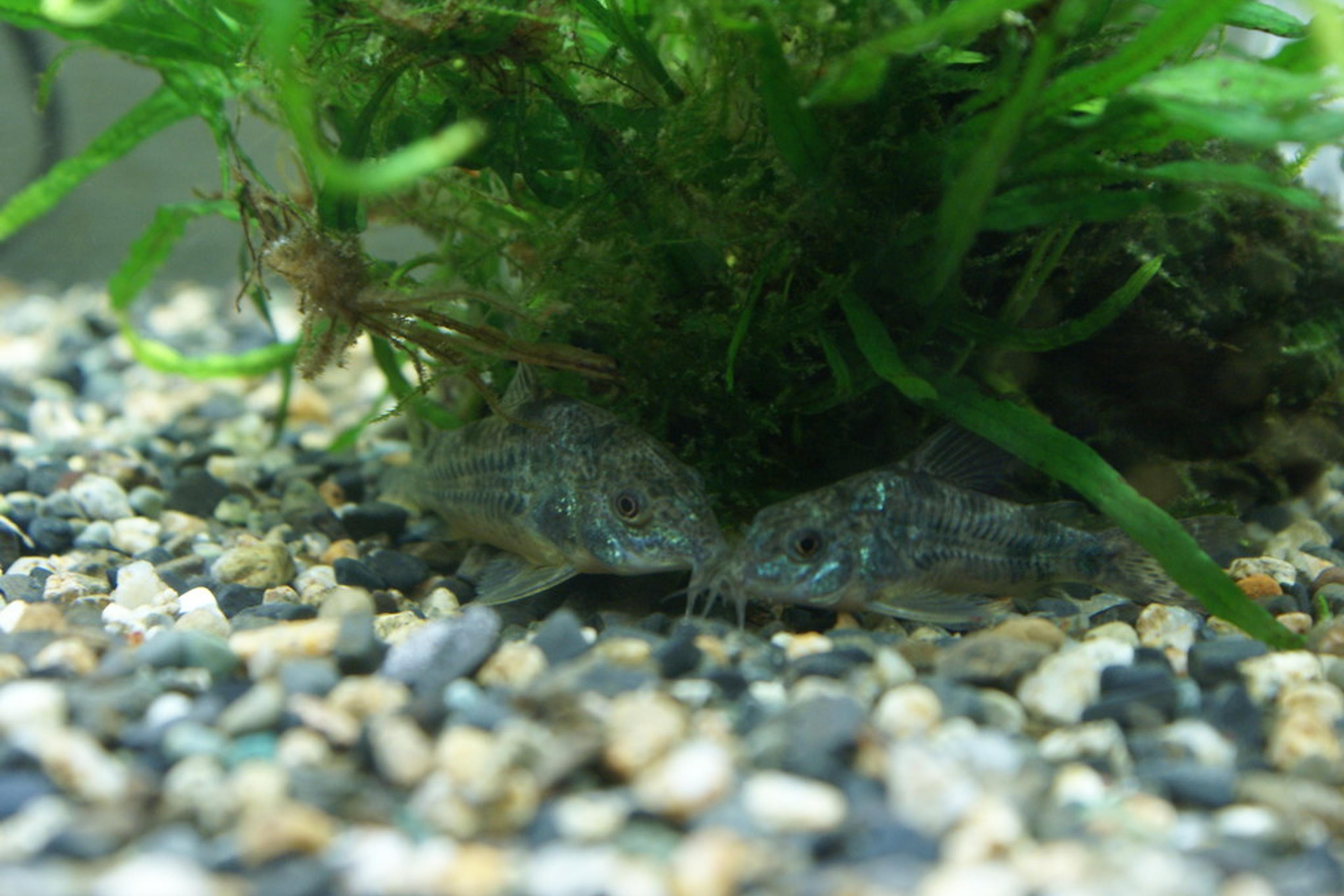
Peppered Corydoras Care: Corydoras Paleatus Setup, Sand Substrate, and Breeding
Learn how to care for peppered corydoras (Corydoras paleatus), provide cool-water community setups, protect barbels on sand, and trigger spawning.
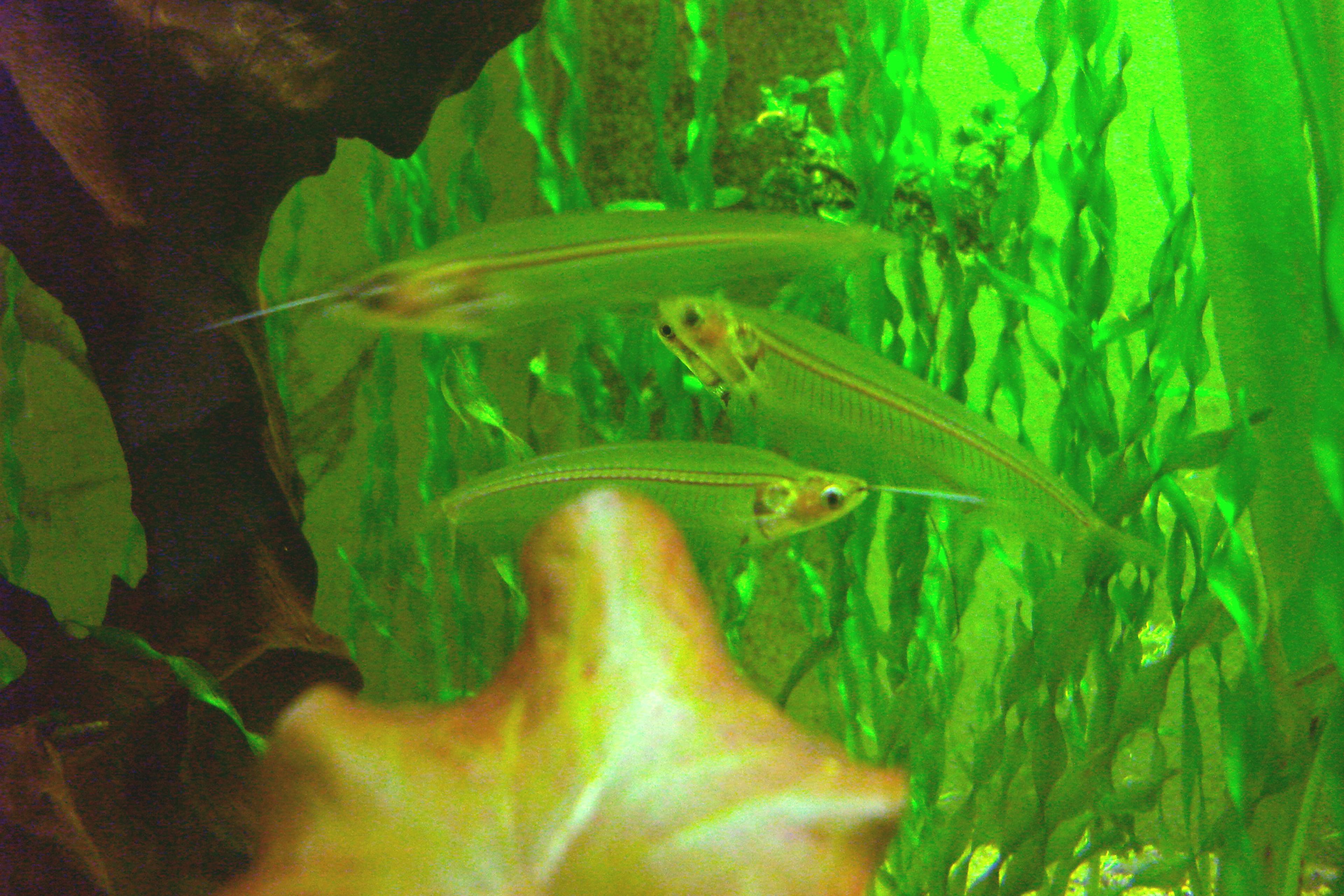
Glass Catfish Care: Kryptopterus Vitreolus Schooling, Water Flow, and Diet
Learn how to care for glass catfish (Kryptopterus vitreolus), maintain tight schooling groups, set up gentle water flow, and feed timid transparent fish.
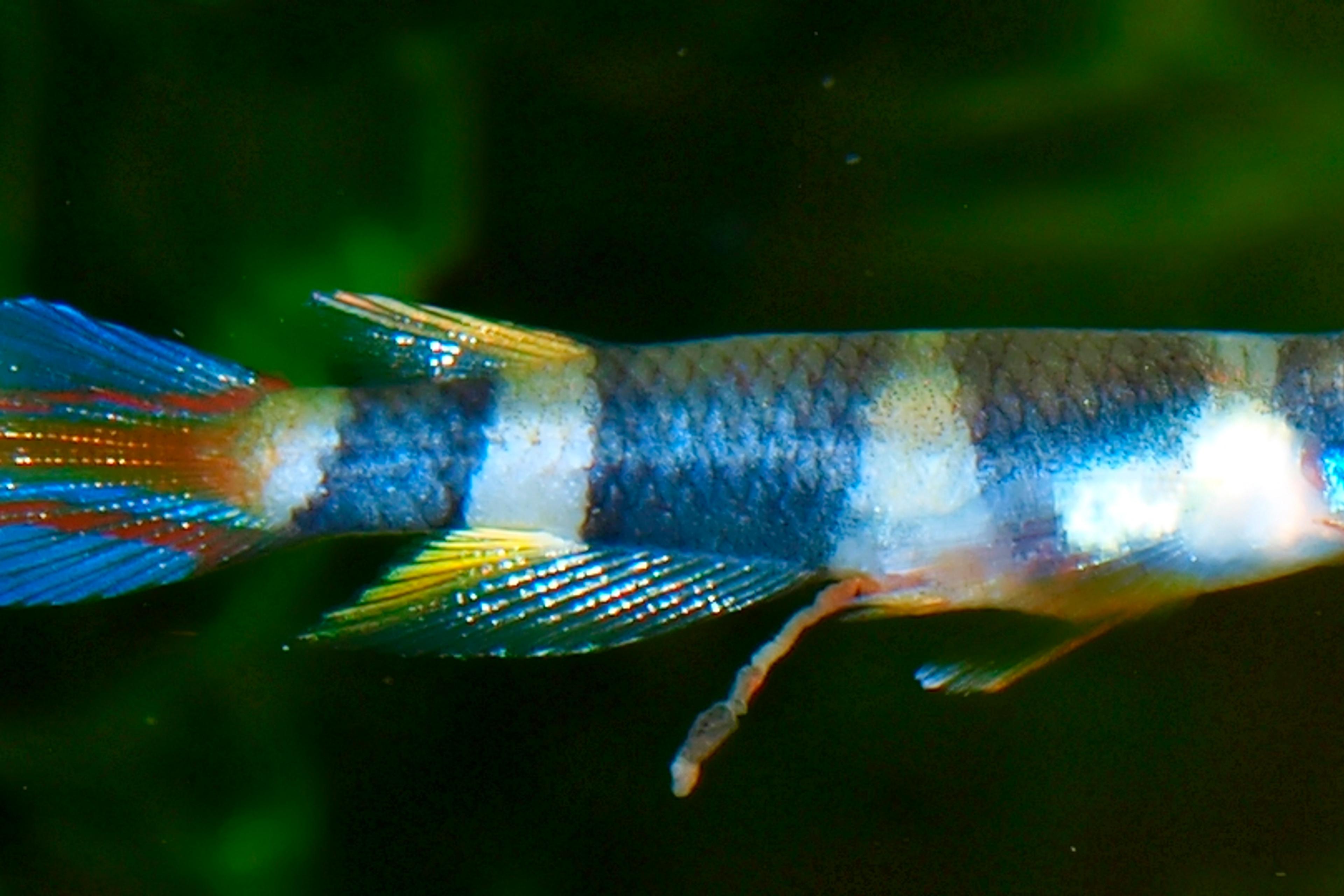
Clown Killifish Care: Epiplatys Annulatus Nano Setup, Feeding, and Flow
Learn how to care for clown killifish (Epiplatys annulatus), set up low-flow nano tanks, provide floating plant cover, and feed surface live foods.
Rosy Barb Care: Pethia Conchonius Schooling, Cooler Water, and Tank Mates
Learn how to care for rosy barbs (Pethia conchonius), manage schooling behavior, provide cooler water temperatures, and protect live plants.
Gold Barb Care: Tank Size, Peaceful Shoaling, and Water Guide
Complete gold barb care guide covering 20-to-30-gallon tank setups, peaceful shoaling, unheated aquarium hardiness, water parameters, and diet.
Forktail Rainbowfish Care: Nano Planted Tank and Flaring Guide
Learn how to care for active forktail blue-eye rainbowfish, covering planted nano setups, male fin-flaring displays, water parameters, and diet.