
Clown Pleco Care: Driftwood Diet, Tank Size, and Lifespan Guide
Complete clown pleco care guide covering essential driftwood feeding, 20-gallon tank setup, nocturnal behavior, and compatible community tank mates.

By Sharon Ben-Moshe, Founder, The Aquarium Adviser
Published / 4 min read
In this guide
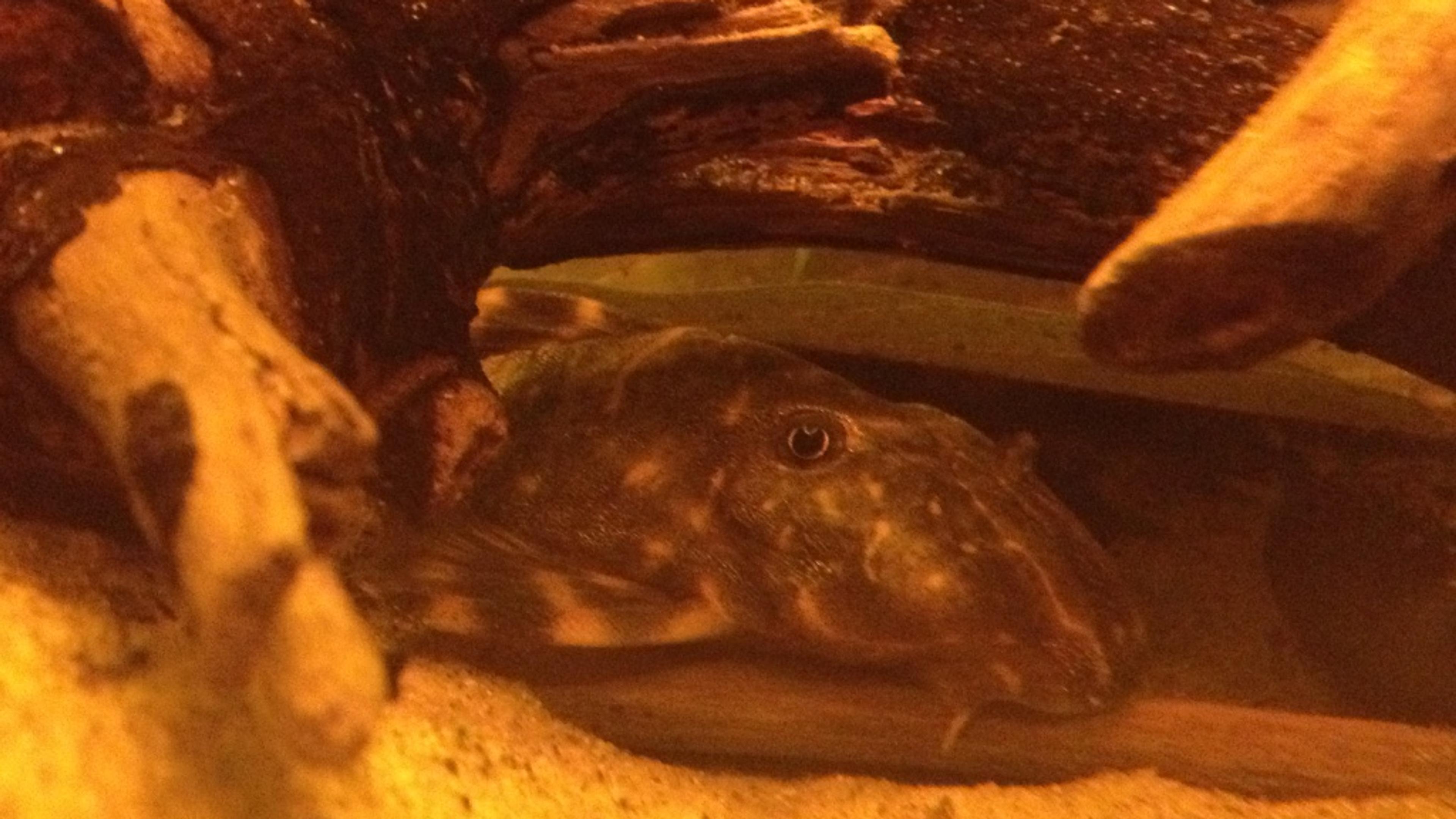
Clown plecos are miniature, patterned armored catfish that stay under 3.5 inches, making them one of the best dwarf plecos for small and medium freshwater aquariums.
Known scientifically as Panaqolus maccus (and cataloged as L104 or L162 in the L-number classification), the clown pleco is native to the Orinoco River basin in Venezuela and Colombia. Discover species classification and anatomical details on the Wikipedia page for Panaqolus maccus.
Unlike standard algae-eating plecos, clown plecos possess specialized wood-rasping teeth and gut microbes adapted for digesting cellulose. Understanding their dietary reliance on driftwood is key to keeping them healthy.
Tank Setup and the Critical Need for Driftwood
The clown pleco reaches an adult size of just 3 to 3.5 inches (8-9 cm), making a 20-gallon aquarium adequate for its entire life. This contrasts sharply with common plecos (Hypostomus plecostomus) that grow into two-foot tank-busting monsters.
The single most critical requirement for a clown pleco is real driftwood:
- Real Malaysian driftwood, mopani wood, or bogwood must be present in the tank.
- Wood provides dietary fiber and supports gut health; without it, clown plecos suffer malnutrition. For in-depth biology on wood ingestion, read our guide on why plecos need driftwood in aquariums.
- Driftwood also serves as daytime refuge. Clown plecos wedge themselves tightly into underside crevices.
- Add slate caves or ceramic pleco tubes to give them secure territory.
| Husbandry Factor | Recommended Range | Target Condition |
|---|---|---|
| Temperature | 73-82°F (23-28°C) | 76-78°F (24.5-25.5°C) |
| pH Level | 6.5-7.6 | 6.8-7.2 |
| Hardness | 3-12 dGH | 4-8 dGH |
| Minimum Tank Size | 20 Gallons | 20 Gallons Long |
| Essential Diet Element | Natural driftwood | Mopani or Malaysian wood |
Install moderate filtration with a sponge intake guard. Because rasping wood generates significant fibrous waste, maintain a filter rated for slightly more than your tank volume. Compare their habits with our bristlenose pleco care guide.
Vacuum substrate regularly during water changes. Wood waste decomposes into fine mulch that can clog gravel beds if left uncleaned.
Managing Nocturnal Behavior
Hobbyists often ask why their clown pleco is rarely visible. As naturally nocturnal foragers, clown plecos avoid bright light instinctively. For troubleshooting pleco shyness, review our guide on why plecos hide and stay out of sight.
To observe your clown pleco:
- Feed sinking wafers twenty to thirty minutes after lights go off.
- Install dim moonlight LED settings to watch them emerge along wood branches.
- Provide multiple hiding spots so the fish feels secure enough to venture out.
If you notice your clown pleco out in broad daylight swimming frantically along the glass, test water parameters immediately for ammonia or nitrite spikes.
Compatible Community Tank Mates
Clown plecos are exceptionally peaceful and pay no attention to other fish. They spend their time rasping wood and staying out of open water:
- Small schooling tetras (neon, ember, cardinal, rummy-nose)
- Rasboras and peaceful danios
- Corydoras catfish and peaceful loaches
- Dwarf gouramis and peaceful livebearers
- Adult nerite and mystery snails
Avoid aggressive, large cichlids that might harass the pleco in its cave or try to bite its armored plates.
Dietary Requirements Beyond Wood
While driftwood is necessary, wood alone does not supply complete nutrition. Supplement their intake with:
- Sinking algae wafers containing spirulina and kelp
- High-protein sinking catfish tablets twice weekly
- Fresh blanched vegetables like zucchini, cucumber slices, and shelled peas
- Occasional frozen bloodworms or brine shrimp
Remove uneaten vegetable slices after 24 hours to prevent cloudy water and preserve water quality. Inspect their rounded belly periodically to ensure they are feeding well; a hollow or sunken abdomen indicates a lack of accessible nutrition or intestinal parasites.
Breeding Setup and Cave Spawning Requirements
While clown plecos are primarily kept for their manageable size and wood-eating habits, breeding them in captivity is an attainable milestone for patient hobbyists. Like many loricariid catfish, clown plecos are cave spawners that require specialized conditions to trigger spawning.
To encourage breeding:
- Provide narrow ceramic pleco breeding caves or slate crevices that are slightly wider than the male's body with his pectoral fins extended.
- Condition the pair with nutrient-dense foods including fresh zucchini, high-protein sinking wafers, and frozen bloodworms alongside their mandatory driftwood.
- Perform a large 30-40% water change using slightly cooler, soft reverse osmosis water to simulate seasonal tropical rains.
- The male will clean the interior of the cave and trap the ripe female inside until she deposits an egg mass of twenty to forty eggs.
- Once eggs are laid, the male drives the female out and guards the entrance, fanning the clutch constantly with his fins until they hatch after six to eight days. The male continues guarding the fry until their yolk sacs absorb and they begin grazing on wood biofilm.
Frequently asked questions
Do clown plecos actually eat driftwood?
Yes, clown plecos (Panaqolus maccus) are obligate xylivores. They require natural driftwood in their tank, as wood fibers and the biofilm living on them are essential for their specialized digestive process.
How big do clown plecos get?
Clown plecos stay very small, reaching an adult length of only 3 to 3.5 inches (7.5 to 9 cm). This makes them an excellent small-tank alternative to common plecos that grow up to two feet long.
Why do I never see my clown pleco during the day?
Clown plecos are strictly nocturnal. They spend bright daylight hours tucked beneath driftwood crevices or inside caves, emerging after lights out to forage for wood and biofilm.
What is the minimum tank size for a clown pleco?
A single clown pleco can live comfortably in a 20-gallon aquarium with plenty of natural wood and hiding spots.
Related guides
Peppered Corydoras Care: Corydoras Paleatus Setup, Sand Substrate, and Breeding
Learn how to care for peppered corydoras (Corydoras paleatus), provide cool-water community setups, protect barbels on sand, and trigger spawning.
Glass Catfish Care: Kryptopterus Vitreolus Schooling, Water Flow, and Diet
Learn how to care for glass catfish (Kryptopterus vitreolus), maintain tight schooling groups, set up gentle water flow, and feed timid transparent fish.
Clown Killifish Care: Epiplatys Annulatus Nano Setup, Feeding, and Flow
Learn how to care for clown killifish (Epiplatys annulatus), set up low-flow nano tanks, provide floating plant cover, and feed surface live foods.
Rosy Barb Care: Pethia Conchonius Schooling, Cooler Water, and Tank Mates
Learn how to care for rosy barbs (Pethia conchonius), manage schooling behavior, provide cooler water temperatures, and protect live plants.
Zebra Loach Care: Botia Striata Schooling, Snail Eating, and Tank Setup
Learn how to care for zebra loaches (Botia striata), maintain peaceful social groups, utilize natural snail control, and select soft sand substrates.
Gold Barb Care: Tank Size, Peaceful Shoaling, and Water Guide
Complete gold barb care guide covering 20-to-30-gallon tank setups, peaceful shoaling, unheated aquarium hardiness, water parameters, and diet.
Photo by Fred Hsu ( Wikipedia:User:Fredhsu on en.wikipedia ) on Wikimedia Commons (CC BY-SA 3.0)