
Hillstream Loach Care: High Flow, Temperature, and Algae Diet Guide
Learn how to care for reticulated hillstream loaches, covering river manifold setups, high dissolved oxygen, smooth stones, and biofilm grazing.

By Sharon Ben-Moshe, Founder, The Aquarium Adviser
Published / 4 min read
In this guide
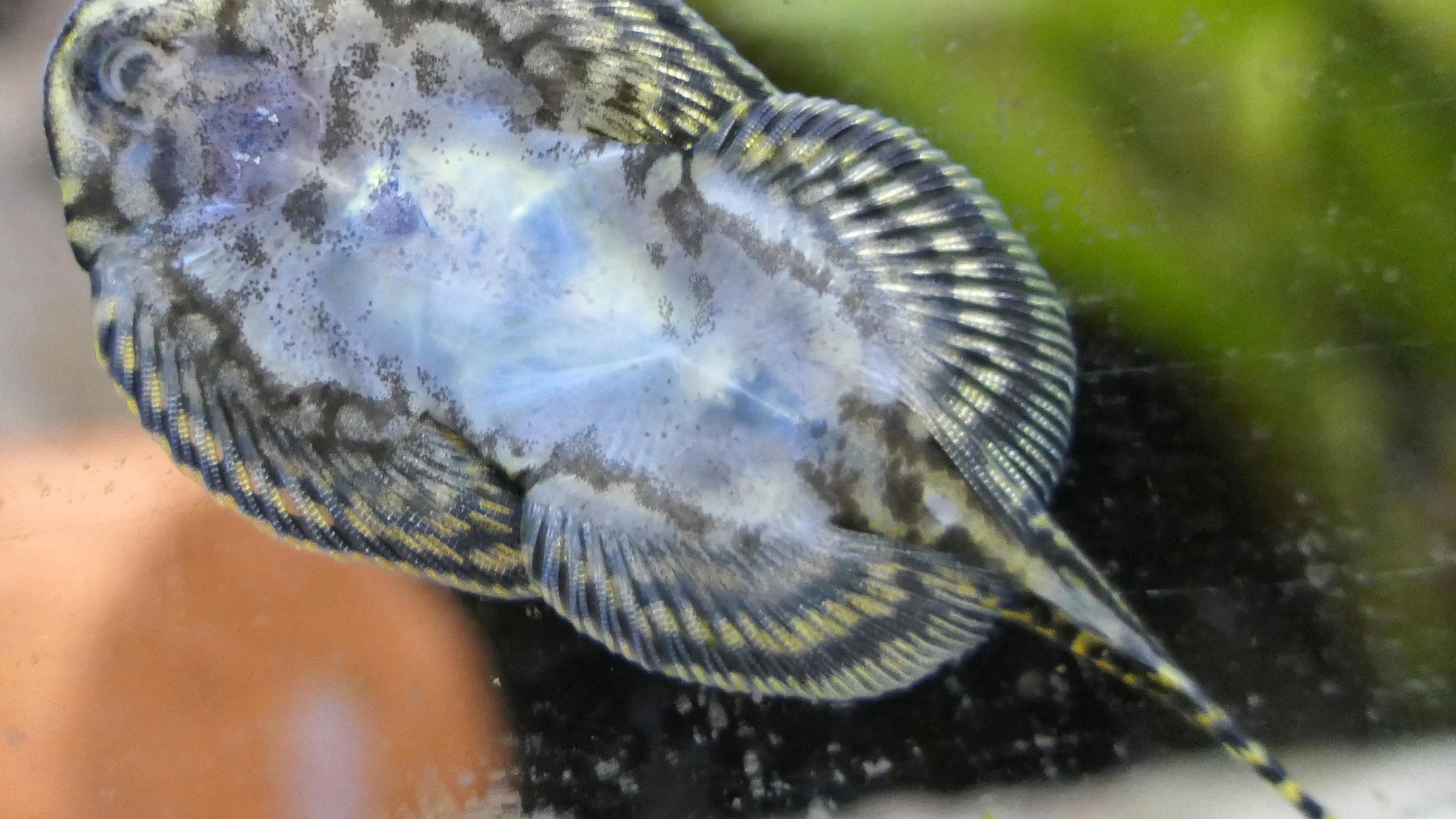
Hillstream loaches are specialized river-dwelling fish whose disc-like fins allow them to glide effortlessly across rock surfaces in high-velocity, oxygen-rich currents.
The most popular species in the hobby is the reticulated hillstream loach (Sewellia lineolata), native to shallow, swift-moving streams and waterfalls in Vietnam and Cambodia. For biological classification and morphology, see the Wikipedia entry on Sewellia lineolata.
Often called "freshwater stingrays" by beginners due to their flattened disc shape, hillstream loaches have strict environmental requirements that differ from typical community fish. Understanding their adaptation to fast-flowing, oxygen-saturated torrents is the secret to keeping them healthy.
River Biotope Tank Setup and Flow Requirements
A 20-gallon long aquarium (30 x 12 x 12 inches) provides the ideal shallow footprint for three to four hillstream loaches. The priority is water movement and oxygen saturation rather than vertical depth.
To create an authentic river biotope:
- Install a powerhead, wavemaker, or river manifold system to produce steady horizontal flow. Review our guide on fish that like strong currents and fast-moving water.
- Add an oversized power filter or sponge filter connected to an air pump for continuous surface agitation.
- Line the bottom with smooth river cobbles, flat slate, and sand. Avoid sharp, rough stones that can scrape their delicate underbellies.
- Cultivate algae and biofilm on smooth stones by using bright lighting.
| Husbandry Factor | Required Range | Ideal Condition |
|---|---|---|
| Temperature | 68-75°F (20-24°C) | 71-73°F (21.5-23°C) |
| Dissolved Oxygen | High / Near saturation | Heavy surface ripple & aeration |
| pH Level | 6.5-7.8 | 7.0-7.5 |
| Hardness | 4-12 dGH | 6-10 dGH |
| Minimum Tank Size | 20 Gallons long | 20-30 Gallons |
Warm water holds less dissolved oxygen than cool water. Keeping temperatures strictly under 76°F ensures adequate oxygen saturation. Compare their needs with substrate-dwelling relatives in our kuhli loach care guide and clown loach care guide.
Position powerheads so that the current washes directly over flat river stones where the loaches can graze. The combination of water velocity and stone surface mimics the exact conditions of their mountain torrent origins.
Grazing Ecology and Diet
In their native streams, hillstream loaches graze on "aufwuchs" - a living matrix of algae, diatoms, protozoa, and microscopic crustaceans coating sunlit boulders:
- Established biofilm and diatoms growing on tank glass and stones
- Quality spirulina wafers and sinking kelp pellets
- Gel-based herbivore foods (like Repashy Soilent Green) spread on river rocks
- Frozen cyclops, daphnia, and baby brine shrimp as protein treats
Tip: Keep spare smooth river stones in a bucket of aged water under direct sunlight. When covered in green algae, rotate them into the aquarium as natural grazing stations.
Never rely solely on random tank algae. New tanks lack sufficient biofilm, and newly imported loaches can slowly starve if supplemental prepared foods are not accepted.
Behavior and Compatible Tank Mates
Hillstream loaches are surprisingly social. In small groups of three to six, they establish territories on adjacent rocks. Dominant fish occasionally "top" each other, hovering face-to-face in brief, harmless tests of strength.
Compatible companions must enjoy cool water and high flow:
- White cloud mountain minnows
- Zebra danios and pearl danios
- Stiphodon and neon blue goby species
- Bamboo and vampire fan shrimp
- Nerite snails
Avoid keeping them with slow-swimming, long-finned fish like bettas or fancy goldfish that will be stressed by strong currents, as well as aggressive cichlids that will attack resting loaches. With proper current and cool water, hillstream loaches will actively graze and live for five years or more.
Acclimation, Quarantine, and Long-Term Health
Because many hillstream loaches are wild-collected, they often experience considerable stress during international transit and storage in retail tanks that lack flow and biofilm. Proper acclimation and quarantine procedures are essential to ensure their long-term survival.
To safely introduce new hillstream loaches:
- Use a dedicated quarantine tank equipped with smooth river stones pre-coated in algae and a sponge filter running with strong aeration.
- Drip-acclimate the loaches slowly over ninety minutes to equalize temperature, pH, and dissolved mineral levels.
- Inspect the fish closely for signs of ich, velvet, or sunken bellies. An emaciated loach whose abdomen appears concave needs immediate access to Repashy gel food smeared across stones or sinking spirulina wafers.
- Avoid treating hillstream loaches with harsh copper-based medications or organophosphates, as scale-less bottom dwellers are unusually sensitive to chemical toxicity.
- Maintain pristine water quality with zero detectable ammonia and nitrite, and keep nitrates under 10 ppm through diligent weekly water changes.
Because hillstream loaches have evolved specifically for torrential rapids, their high metabolic oxygen demand cannot be overstated. Running dual sponge filters connected to a high-output air pump provides a reliable failsafe if a powerhead pump ever fails. Regularly test water parameters to confirm that ammonia and nitrite remain at absolute zero, as sensitive hillstream species have zero tolerance for nitrogenous spikes.
Frequently asked questions
Can hillstream loaches live in a standard community tank?
Hillstream loaches require clean, cool water (68-75°F) with high dissolved oxygen and noticeable water movement. A quiet, stagnant, warm tropical community tank does not provide the oxygen levels they need to thrive.
Do hillstream loaches eat algae?
Yes, hillstream loaches graze on soft green algae, diatoms, and microscopic biofilm (aufwuchs) growing on smooth rocks and glass. However, they should also be offered sinking algae wafers and repashy gel foods.
How do hillstream loaches stick to glass and rocks?
Their pectoral and pelvic fins are modified into specialized suction discs. This anatomical adaptation allows them to anchor firmly against intense currents in fast-flowing river rapids.
What size tank is needed for hillstream loaches?
A group of three to four hillstream loaches needs at least a 20-gallon long aquarium equipped with powerheads or a river manifold system that creates horizontal flow.
Related guides
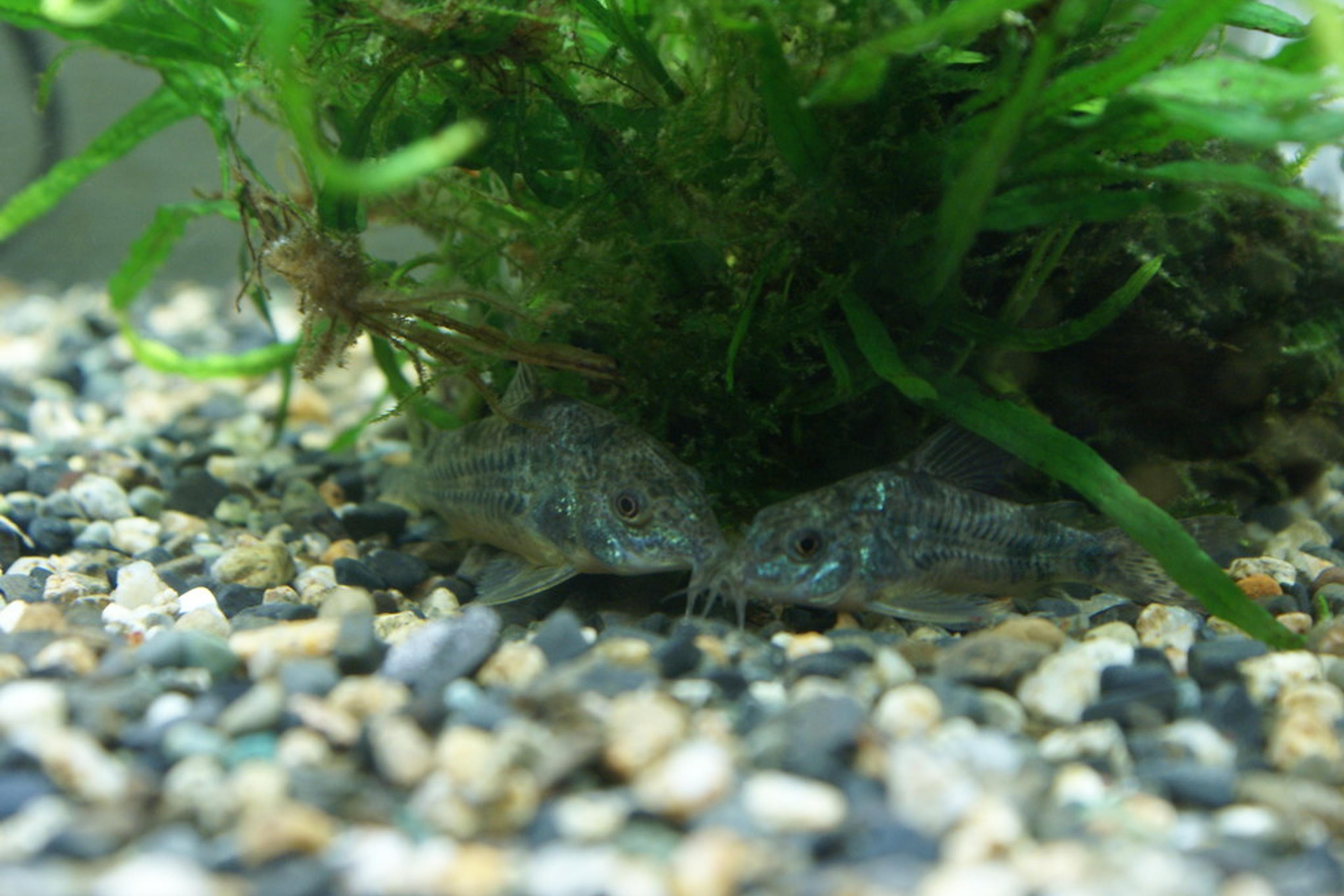
Peppered Corydoras Care: Corydoras Paleatus Setup, Sand Substrate, and Breeding
Learn how to care for peppered corydoras (Corydoras paleatus), provide cool-water community setups, protect barbels on sand, and trigger spawning.
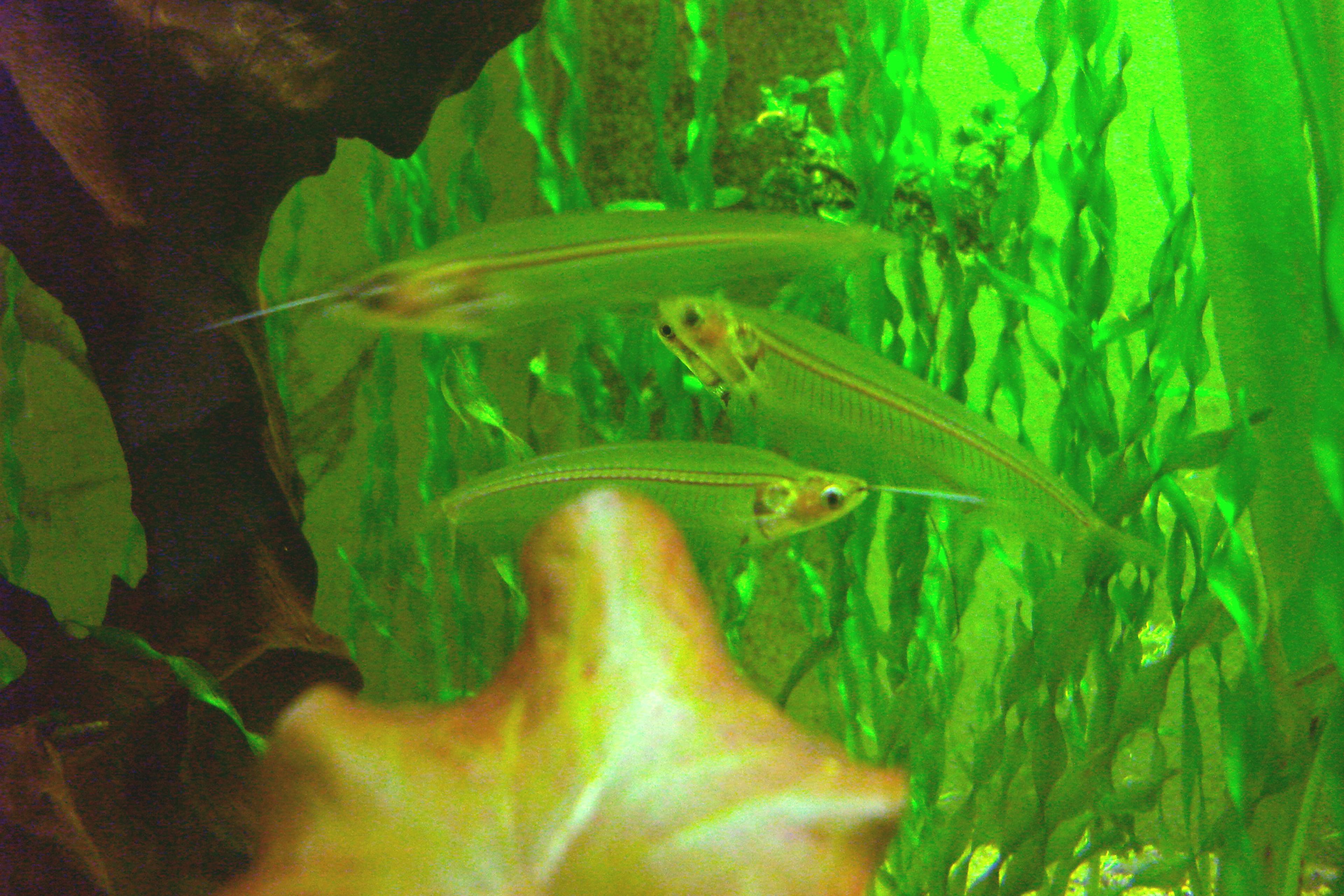
Glass Catfish Care: Kryptopterus Vitreolus Schooling, Water Flow, and Diet
Learn how to care for glass catfish (Kryptopterus vitreolus), maintain tight schooling groups, set up gentle water flow, and feed timid transparent fish.
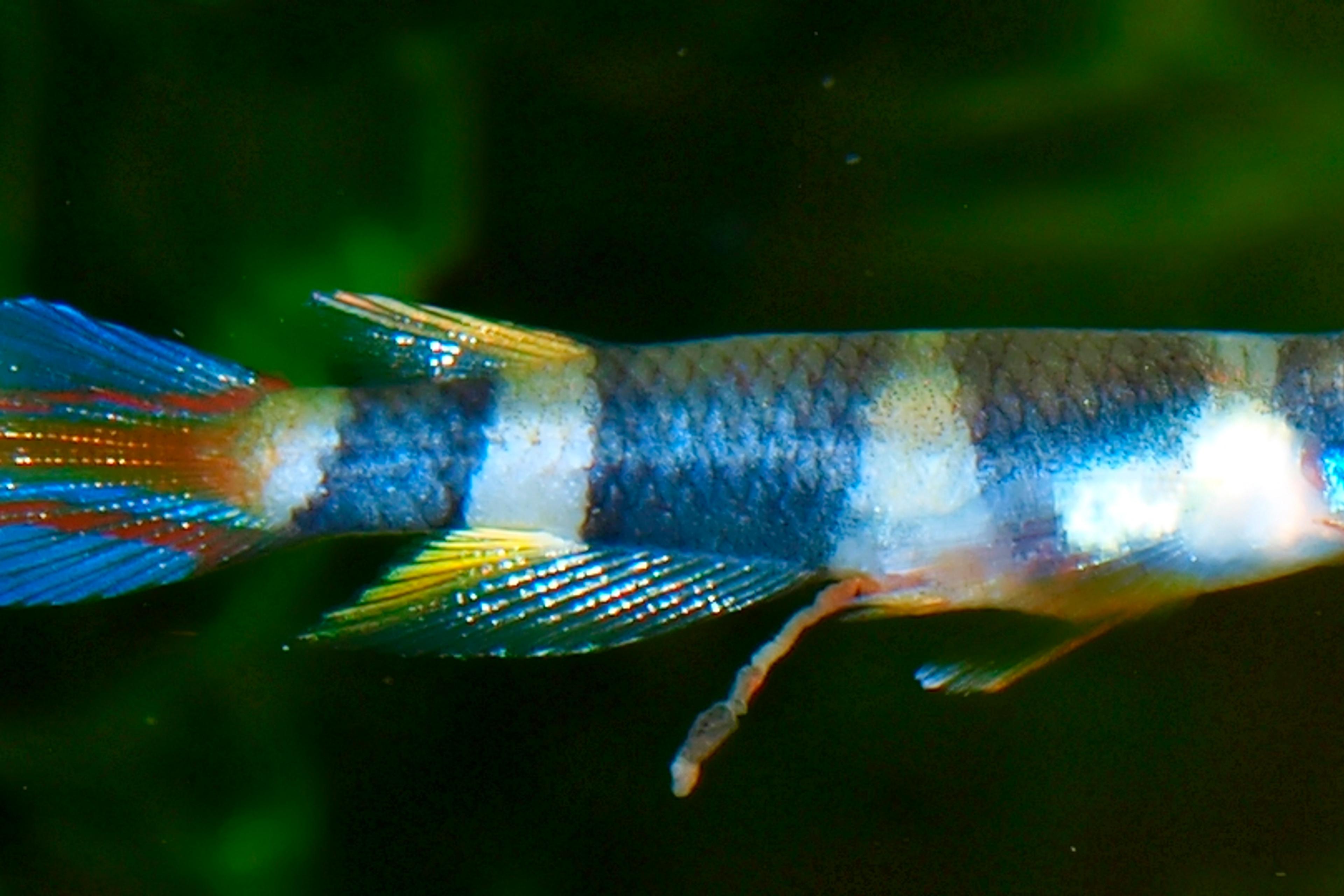
Clown Killifish Care: Epiplatys Annulatus Nano Setup, Feeding, and Flow
Learn how to care for clown killifish (Epiplatys annulatus), set up low-flow nano tanks, provide floating plant cover, and feed surface live foods.
Rosy Barb Care: Pethia Conchonius Schooling, Cooler Water, and Tank Mates
Learn how to care for rosy barbs (Pethia conchonius), manage schooling behavior, provide cooler water temperatures, and protect live plants.
Zebra Loach Care: Botia Striata Schooling, Snail Eating, and Tank Setup
Learn how to care for zebra loaches (Botia striata), maintain peaceful social groups, utilize natural snail control, and select soft sand substrates.
Gold Barb Care: Tank Size, Peaceful Shoaling, and Water Guide
Complete gold barb care guide covering 20-to-30-gallon tank setups, peaceful shoaling, unheated aquarium hardiness, water parameters, and diet.
Photo by Fred Hsu ( Wikipedia:User:Fredhsu on en.wikipedia ) on Wikimedia Commons (CC BY-SA 3.0)