
Swordtail Fish Care: Tank Size, Male Dynamics, and Breeding Guide
Complete swordtail fish care guide covering 30-gallon tank setups, male-to-female ratios, water hardness, diet, and livebearer fry care.

By Sharon Ben-Moshe, Founder, The Aquarium Adviser
Published / 4 min read
In this guide
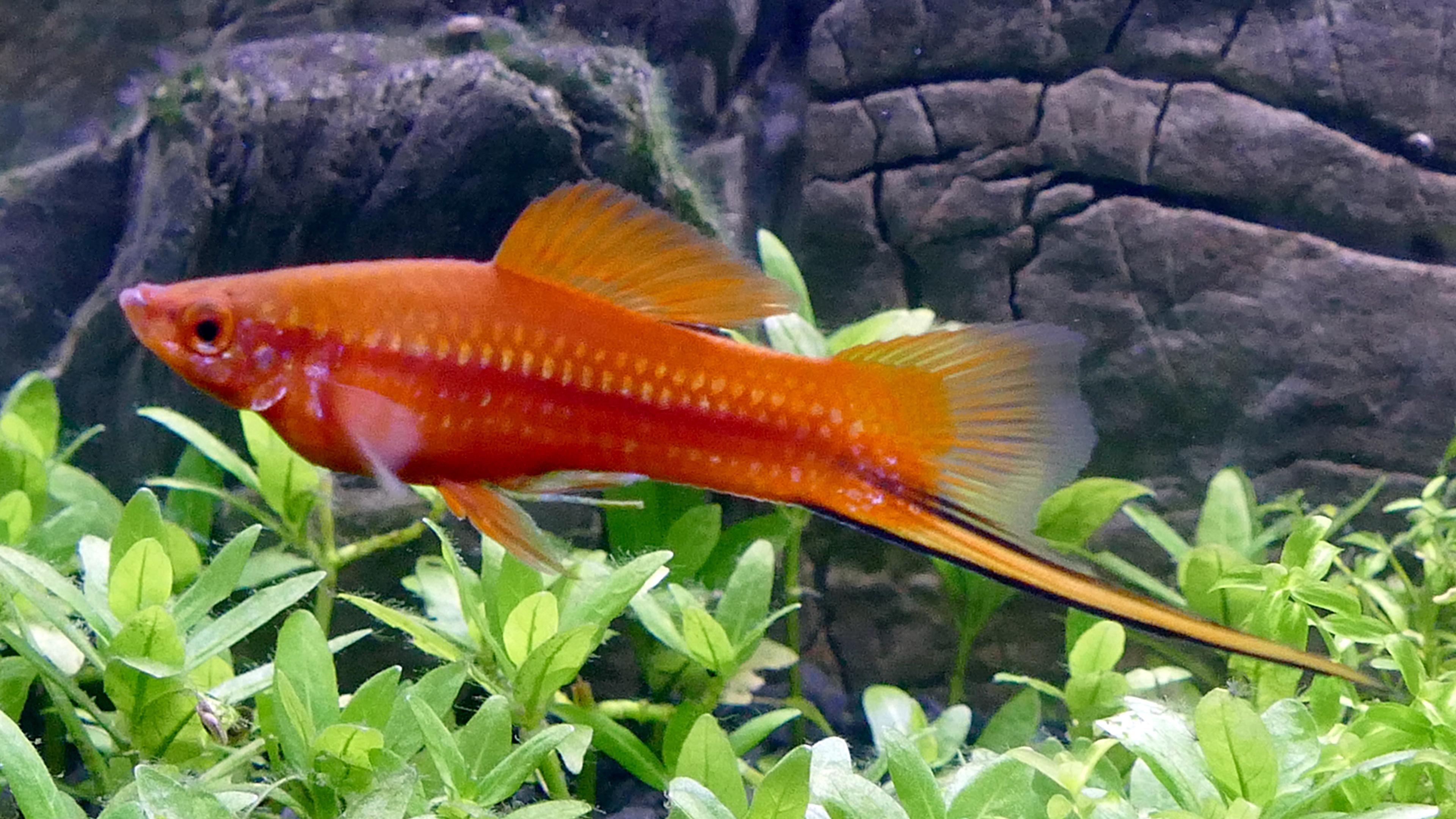
Swordtails are energetic, colorful livebearing fish famous for the elongated, sword-like extension on the lower caudal fin of mature males.
Known scientifically as Xiphophorus hellerii, the green swordtail originates in fast-flowing rivers, streams, and warm springs across Central America, stretching from Veracruz in Mexico to northwestern Honduras. Learn more about their classification on the Wikipedia article on Green swordtail.
Through selective breeding, hobbyists can choose from striking color strains including red wag, velvet red, neon green, and pineapple swordtails. Their active swimming and social hierarchy make them entertaining inhabitants for medium and large aquariums.
Tank Size and Habitat Requirements
Swordtails grow significantly larger and swim faster than guppies or platies. A 30-gallon aquarium (or a 20-gallon long minimum for a trio) is necessary:
- Swimming Room: Swordtails are powerful sprinters that require open midwater areas to swim against gentle currents.
- Tank Cover: Like most surface livebearers, swordtails are strong jumpers. Keep an aquarium hood or glass lid in place.
- Vegetation: Plant dense thickets of stem plants and floating cover to give females and new fry shelter from pursuing males.
- Hardscape: Smooth river rocks and driftwood provide natural grazing surfaces for algae and biofilm.
| Husbandry Factor | Recommended Range | Ideal Target |
|---|---|---|
| Temperature | 72-80°F (22-27°C) | 75-77°F (24-25°C) |
| pH Level | 7.2-8.2 | 7.5-7.8 |
| General Hardness (GH) | 10-25 dGH | 12-18 dGH |
| Carbonate Hardness (KH) | 5-14 dKH | 8-10 dKH |
| Minimum Tank Size | 30 Gallons | 30-40 Gallons |
Explore the care requirements of related livebearing species in our platy fish care guide and our overview of molly fish water parameters.
Managing Male Aggression and Harem Ratios
Male swordtails establish strict dominance hierarchies through lateral displays, fin-flaring, and chasing:
- Never keep only two males in a small tank: The dominant male will relentlessly harass the subdominant male until the weaker fish weakens or leaps out.
- The Ideal Ratio: Keep one male with two to three females, or three or more males with seven or more females in tanks 40 gallons or larger.
- Multiple females ensure that male courtship attention is shared, giving each female time to feed and rest without exhaustion.
Water Chemistry and Mineral Needs
Swordtails evolved in mineral-rich limestone waterways. Soft, acidic water dissolves essential salts, leading to shimmies, clamped fins, and bacterial vulnerability.
If your tap water is soft (under 8 dGH), supplement the mineral content with crushed coral in the filter or a dedicated livebearer mineral buffer. Maintain clean water with regular 25% weekly water changes to keep nitrates low.
Diet and Feeding Routine
Swordtails are omnivores with a strong herbivorous preference in nature, grazing continuously on filamentous algae, diatoms, and insect larvae:
- High-grade spirulina flakes and vegetable-based crisps
- Blanched zucchini, spinach, and shelled peas
- Sinking algae wafers to provide dietary fiber
- Frozen brine shrimp, daphnia, and bloodworms as protein treats
Feed small amounts twice daily. Providing sufficient plant matter prevents intestinal bloat and enhances the vibrant red and orange pigments in their scales.
Livebearer Reproduction and Raising Fry
Swordtails reproduce readily. Females store sperm and can produce multiple broods from a single mating:
- Gestation lasts approximately four weeks, noticeable by a swollen belly and dark gravid spot near the anal fin.
- To maximize fry survival without stressing the mother in tight breeding traps, maintain dense thickets of Java moss and floating plants in the main tank.
- Fry emerge fully formed and will immediately feed on crushed flakes, baby brine shrimp, and micro-pellets. For more livebearer breeding strategies, see our beginner walkthrough on how to breed guppies and livebearers.
Planted Habitat and Swimming Space Optimization
Because adult female swordtails can reach five inches in length and swim in bursts of speed, aquascape layout is important:
- Perimeter Plantings: Plant tall background species like Vallisneria, Amazon swords, and water wisteria along the back and sides to create visual shelter.
- Open Center Lanes: Keep the front two-thirds of the aquarium free of tall decor so dominant males have room to display their swords without crashing into obstacles.
- Surface Shade: Add floating plants like hornwort or salvinia to diffuse harsh lighting, giving females resting areas near the surface.
Mineral Supplementation and Preventing Livebearer Shimmies
In soft or mineral-depleted water, swordtails can develop "the shimmies" - a condition where fish rock side-to-side in place due to electrolyte imbalances:
- Increasing Hardness: If your tap water has a GH below 10 dGH, add crushed coral to your filter or dose a dedicated livebearer re-mineralizer.
- Electrolyte Balance: Swordtails benefit from trace aquarium salt (1 teaspoon per 5 gallons) during acclimation to reduce osmotic stress.
- Routine Maintenance: Perform 25% weekly water changes to prevent dissolved organics from accumulating and keep the water clear and alkaline.
Frequently asked questions
How big do swordtail fish get?
Female swordtails reach up to 4.5 to 5 inches (11-13 cm), while males grow to about 4 inches, not including their extended lower swordtail fin extension which adds another inch or two.
What is the best male-to-female ratio for swordtails?
Always maintain a ratio of at least one male to every two or three females. If keeping multiple males, keep at least three males with six or more females in a large tank to distribute male rivalry evenly.
Do swordtails need hard water?
Yes, swordtails are livebearers that require hard, alkaline water with a pH of 7.2 to 8.2 and general hardness above 10 dGH. Soft, acidic water weakens their immune defenses and causes clamped fins.
How often do female swordtails give birth?
Female swordtails give birth to twenty to eighty live, free-swimming fry every twenty-eight to thirty-five days in warm, stable water.
Related guides
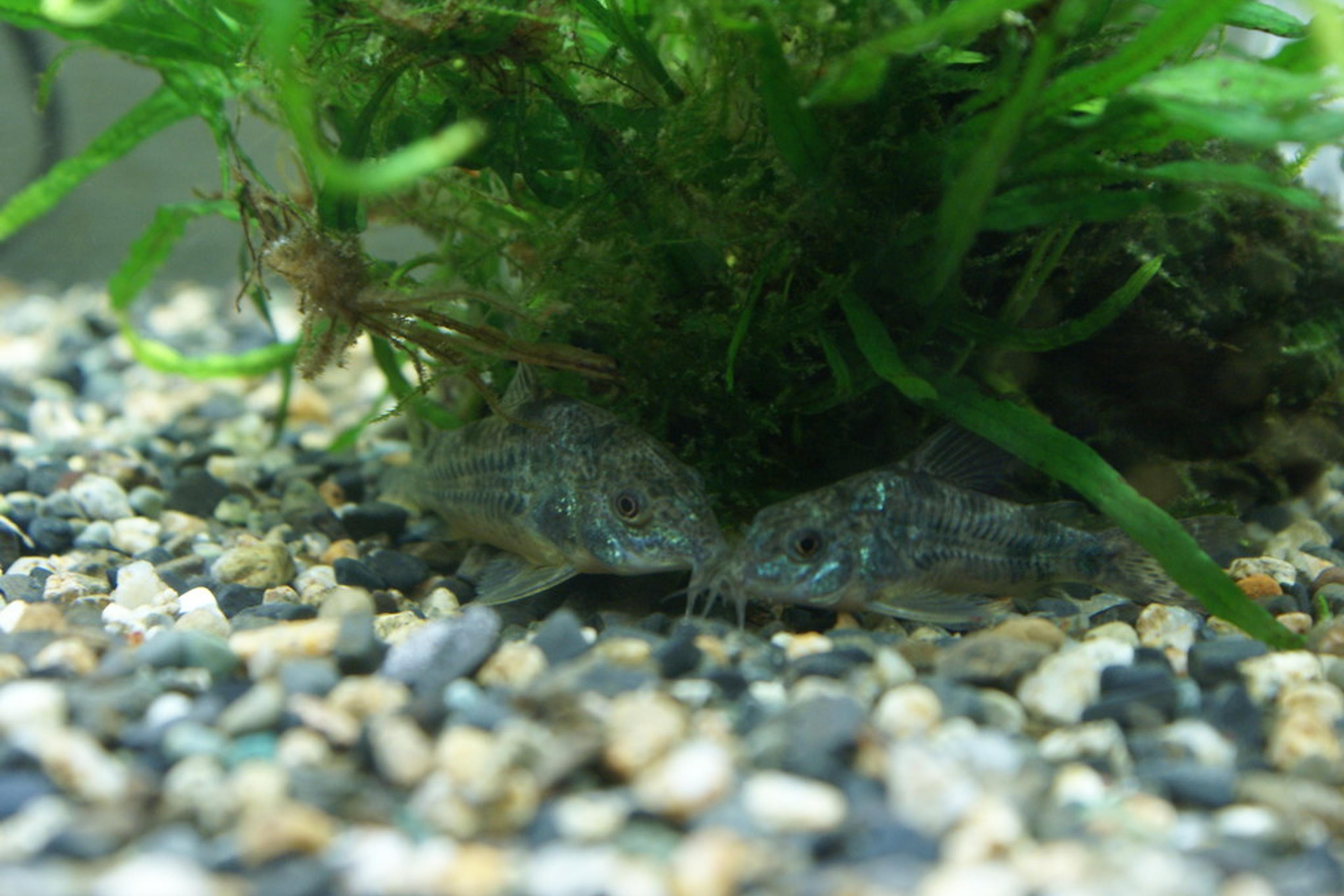
Peppered Corydoras Care: Corydoras Paleatus Setup, Sand Substrate, and Breeding
Learn how to care for peppered corydoras (Corydoras paleatus), provide cool-water community setups, protect barbels on sand, and trigger spawning.
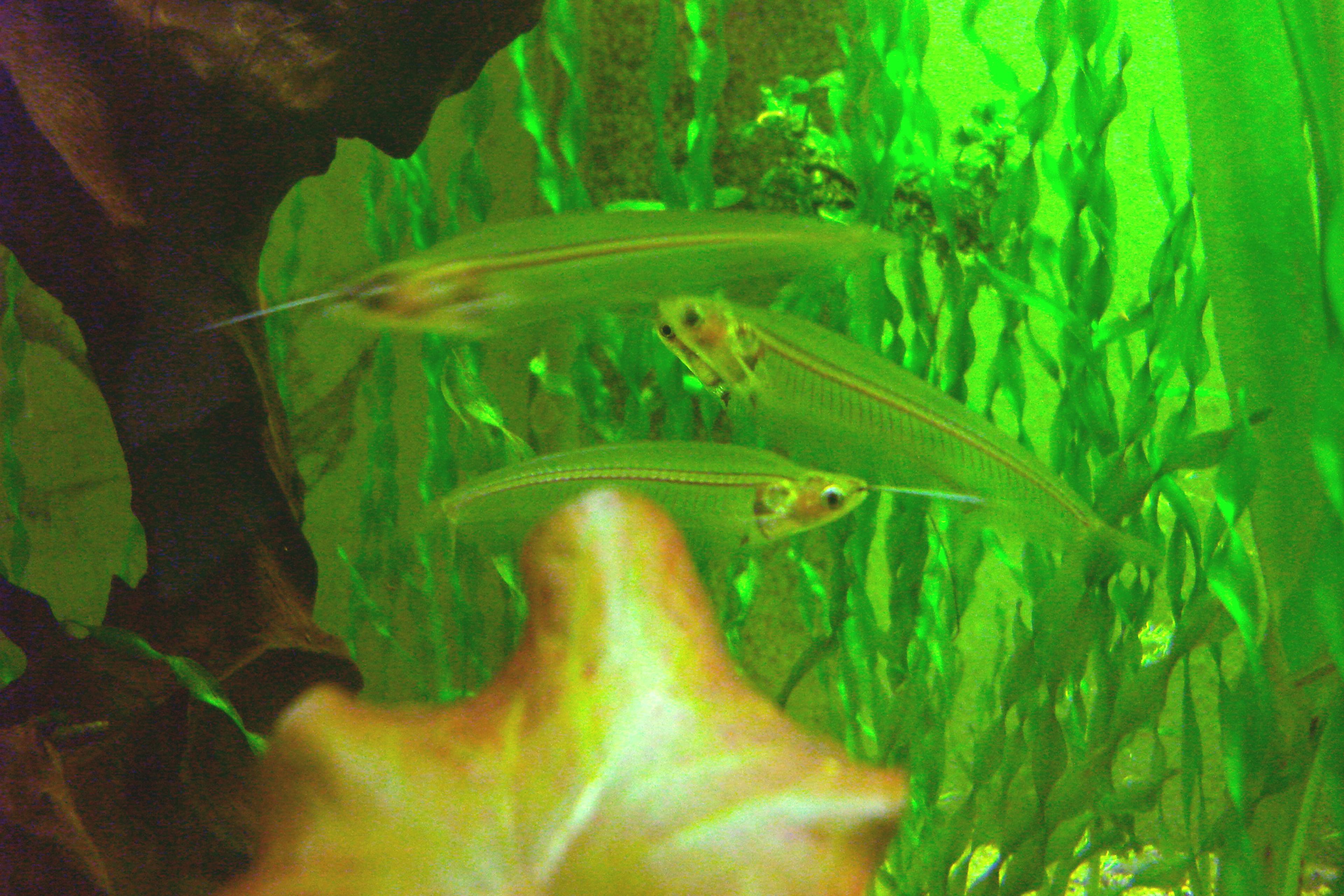
Glass Catfish Care: Kryptopterus Vitreolus Schooling, Water Flow, and Diet
Learn how to care for glass catfish (Kryptopterus vitreolus), maintain tight schooling groups, set up gentle water flow, and feed timid transparent fish.
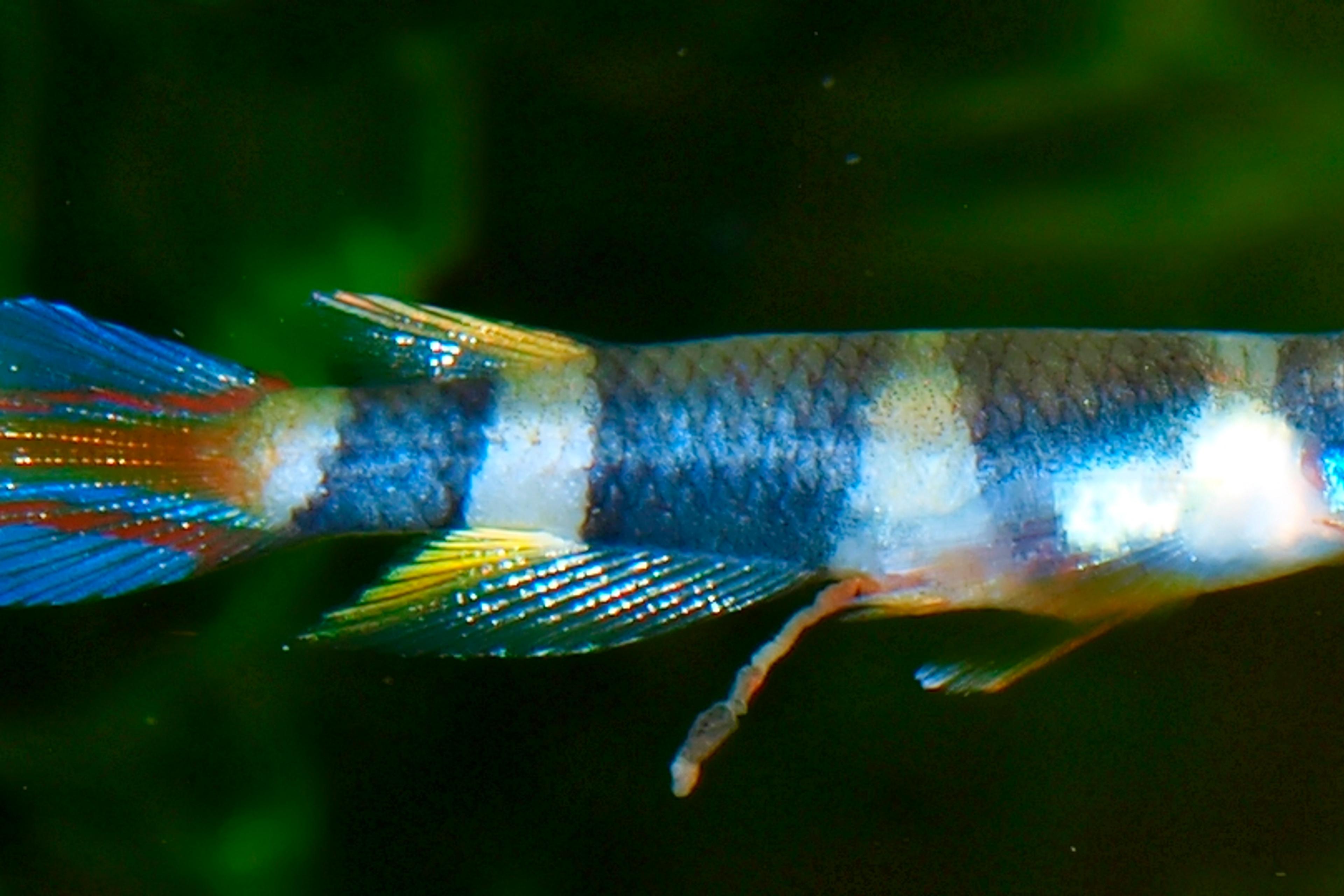
Clown Killifish Care: Epiplatys Annulatus Nano Setup, Feeding, and Flow
Learn how to care for clown killifish (Epiplatys annulatus), set up low-flow nano tanks, provide floating plant cover, and feed surface live foods.
Rosy Barb Care: Pethia Conchonius Schooling, Cooler Water, and Tank Mates
Learn how to care for rosy barbs (Pethia conchonius), manage schooling behavior, provide cooler water temperatures, and protect live plants.
Zebra Loach Care: Botia Striata Schooling, Snail Eating, and Tank Setup
Learn how to care for zebra loaches (Botia striata), maintain peaceful social groups, utilize natural snail control, and select soft sand substrates.
Gold Barb Care: Tank Size, Peaceful Shoaling, and Water Guide
Complete gold barb care guide covering 20-to-30-gallon tank setups, peaceful shoaling, unheated aquarium hardiness, water parameters, and diet.
Photo by Fred Hsu ( Wikipedia:User:Fredhsu on en.wikipedia ) on Wikimedia Commons (CC BY-SA 3.0)