
Zebra Danio Care: Tank Setup, Schooling, and Temperature Guide
Complete zebra danio care guide covering tank size, surface swimming, schooling numbers, cool water temperatures, and breeding egg scatterers.

By Sharon Ben-Moshe, Founder, The Aquarium Adviser
Published / 4 min read
In this guide
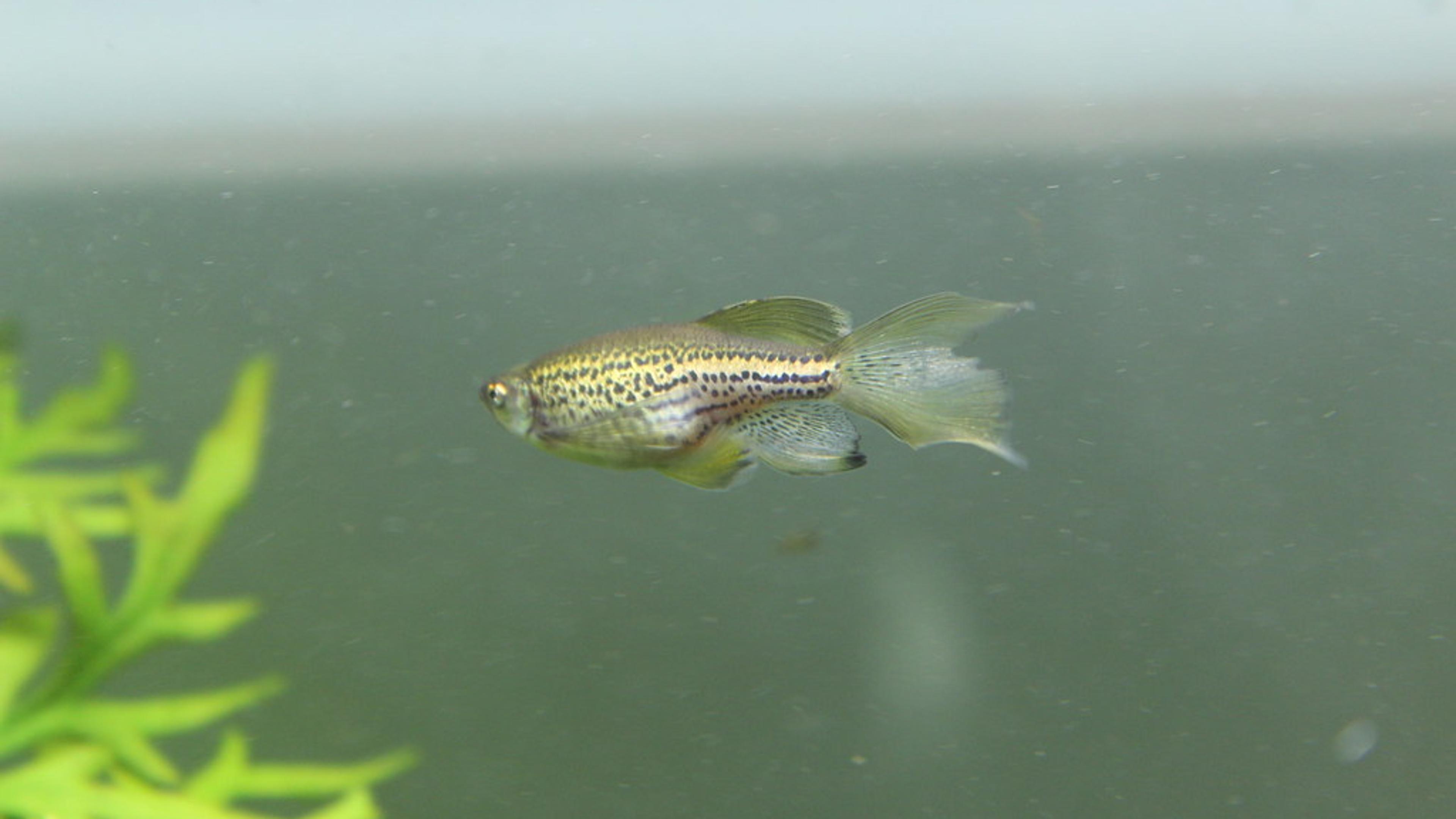
Zebra danios are among the most active, resilient freshwater fish in the world, celebrated for their horizontal stripes, cold-water tolerance, and peaceful schooling habits.
Scientifically named Danio rerio, the zebra danio originates in shallow, clear streams, canals, and flooded rice paddies across South Asia, including India, Pakistan, and Bangladesh. For anatomical and scientific research background, consult the Wikipedia article on Zebrafish.
Their hardy nature and rapid torpedo swimming make them an ideal choice for beginners, planted tanks, and cool-water community setups.
Tank Setup and Horizontal Swimming Space
Zebra danios reach an adult length of 2 to 2.5 inches (5-6 cm). While their size might suggest a small nano tank, their energetic swimming style demands horizontal space:
- Tank Footprint: A standard 20-gallon long aquarium (30 inches in length) provides the open swimming lanes they need. Avoid tall, narrow hex tanks.
- Aquarium Lid: Danios dart across the surface and will leap out through minor openings. Keep a secure glass canopy on the tank.
- Water Movement: Danios thrive in moderate water flow. A hang-on-back filter or internal power filter that ripples the surface mimics their natural stream habitat.
- Plants and Hardscape: Plant tall stems like Vallisneria along the background while leaving the top midsection completely open for swimming sprints.
| Husbandry Factor | Recommended Range | Ideal Target |
|---|---|---|
| Temperature | 64-75°F (18-24°C) | 68-72°F (20-22°C) |
| pH Level | 6.5-7.8 | 7.0-7.4 |
| Hardness | 5-15 dGH | 8-12 dGH |
| Minimum School Size | 6 fish (8-10 preferred) | 8+ individuals |
| Swimming Zone | Upper to midwater | Surface sprinter |
Because they prefer cool water, they make great companions for other unheated species. Compare their environmental setup in our coldwater fish for tanks and ponds guide and our white cloud mountain minnow care guide.
Schooling Dynamics and Preventing Fin-Nipping
Zebra danios are schooling fish with high social energy. In groups of six or more, they interact peacefully, chasing each other in circular loops without causing harm.
If kept in inadequate numbers (two or three individuals), their playful energy turns anxious, leading them to harass slower companions and nip long fins. Learn more about their behavior with other popular species in our analysis of whether zebra danios are compatible with neon tetras.
Avoid housing zebra danios with slow, long-finned fish like male bettas or fancy goldfish, as the constant surface darting can stress calm fish.
Nutrition and Daily Feeding Habits
Zebra danios have an upturned superior mouth designed for surface feeding on fallen insects, larvae, and zooplankton:
- High-grade tropical flake foods that float on the surface
- Floating micro-pellets and spirulina crisps
- Frozen or live daphnia, baby brine shrimp, and cyclops
- Freeze-dried bloodworms crushed into small morsels
Feed once or twice daily in modest pinches consumed within sixty seconds. Because they swim so fast, they consume surface food quickly before other fish can react. Distribute food across the surface to ensure slower midwater fish receive their share.
Spawning Habits and Raising Danio Fry
Zebra danios are prolific egg scatterers that spawn readily in home aquariums:
- To breed them deliberately, place a mature group of two males and one female in a shallow 10-gallon tank lined with marbles or a plastic mesh bottom that lets eggs drop out of reach.
- Condition the breeders on frozen brine shrimp and blackworms for several days.
- Spawning occurs at daybreak as the morning sun hits the tank. A single female can deposit up to four hundred non-adhesive eggs.
- Remove the parent fish immediately after spawning to prevent egg cannibalism.
- Fry hatch within forty-eight hours and absorb their yolk sacs before seeking infusoria and liquid fry foods.
Tank Mates and Community Dynamics
Zebra danios inhabit the upper third of the water column, swimming continuously against the current. This makes them ideal companions for peaceful bottom-dwelling and midwater fish that occupy different swimming zones:
- Bottom Dwellers: Corydoras catfish, peaceful loaches, and bristlenose plecos forage peacefully along the substrate while danios cruise the surface.
- Midwater Schoolers: Small peaceful tetras, rasboras, and cool-water species like white cloud mountain minnows share their energy without competition.
- Invertebrates: Adult amano shrimp, cherry shrimp, and nerite snails are completely safe with zebra danios, as danios ignore substrate inhabitants.
Avoid housing zebra danios with slow, long-finned fish like male bettas or fancy goldfish, as the constant surface darting can stress calm fish and trigger playful nipping.
Health Monitoring and Disease Resilience
Zebra danios are renowned for disease resistance, but poor maintenance can still lead to health issues:
- Dropsy and Bloat: Overfeeding poor-quality dry food can cause constipation and fluid retention. Fast your fish one day per week and offer daphnia to support digestion.
- Maintaining Oxygen Levels: Because they are energetic sprinters, danios have high oxygen demands. Keep surface agitation active with a hang-on-back filter return or an air stone.
- Temperature Drop Tolerance: While danios tolerate water temperatures down to 64°F, avoid rapid fluctuations greater than 3°F in a single day. Conduct 20% weekly water changes with temperature-matched water.
Frequently asked questions
Do zebra danios need a heated aquarium?
No, zebra danios are subtropical fish that thrive at room temperatures between 64 and 75 degrees Fahrenheit (18-24 degrees Celsius). They do not require an aquarium heater in standard indoor rooms.
How many zebra danios should be kept together?
Keep a school of at least six to eight zebra danios. In smaller numbers, their hyperactive swimming can turn into chasing and fin-nipping behavior toward slower tank mates.
Can zebra danios jump out of the aquarium?
Yes, zebra danios are notorious jumpers. Because they feed and dart near the water surface, a tight-fitting aquarium lid without gaps is essential to prevent escapes.
What is the lifespan of a zebra danio?
With good water quality, cool temperatures, and a balanced diet, zebra danios routinely live for three to five years in home aquariums.
Related guides
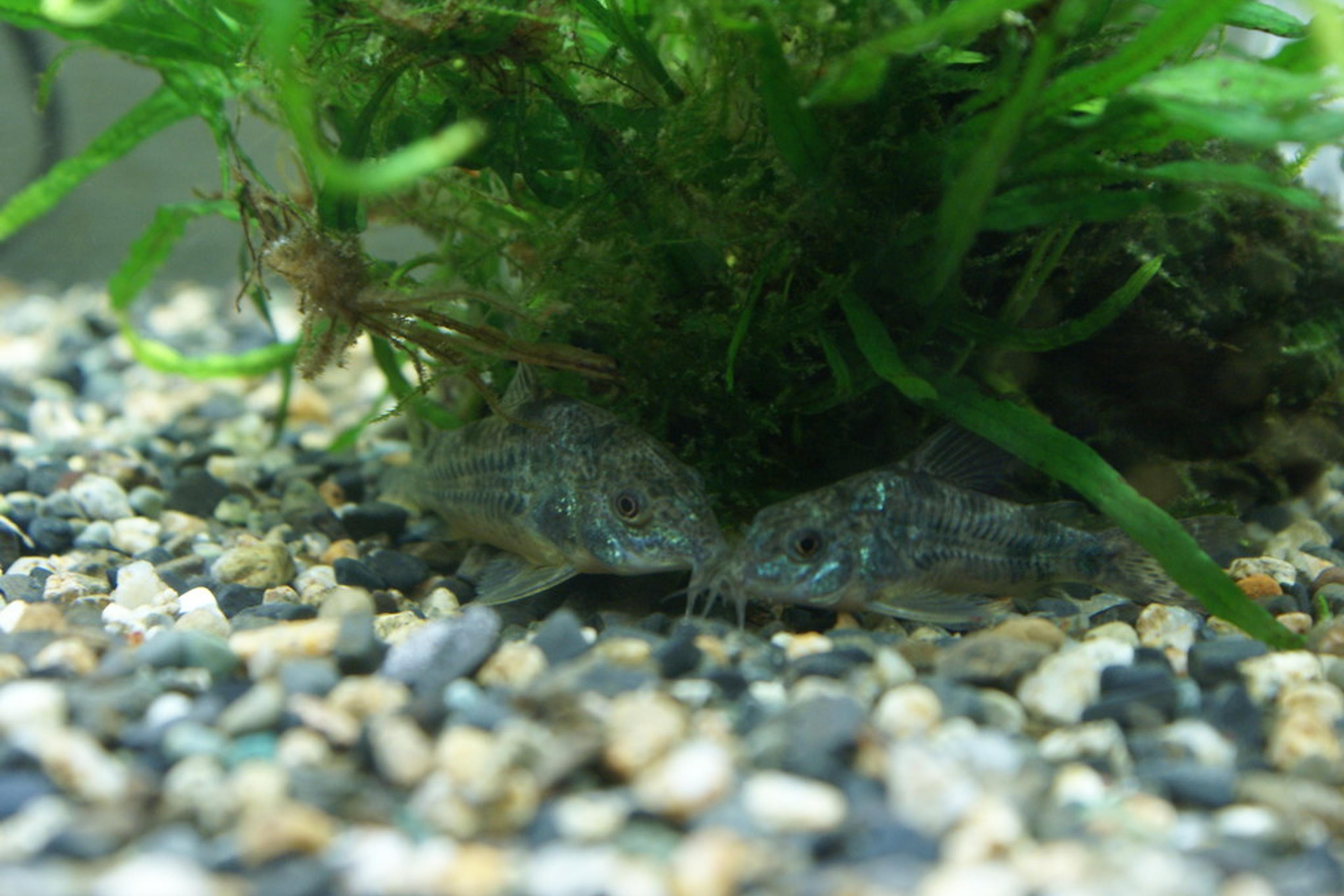
Peppered Corydoras Care: Corydoras Paleatus Setup, Sand Substrate, and Breeding
Learn how to care for peppered corydoras (Corydoras paleatus), provide cool-water community setups, protect barbels on sand, and trigger spawning.
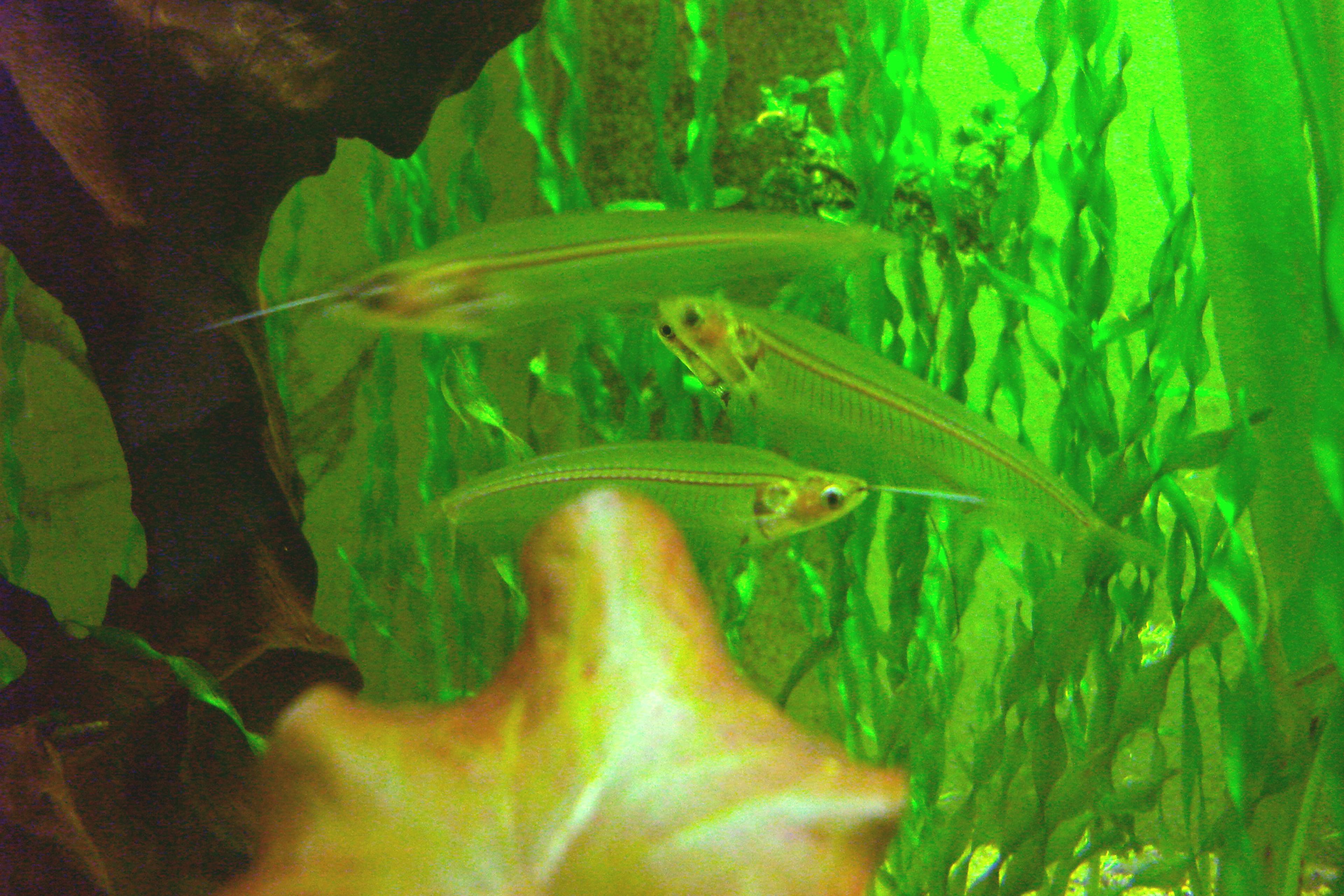
Glass Catfish Care: Kryptopterus Vitreolus Schooling, Water Flow, and Diet
Learn how to care for glass catfish (Kryptopterus vitreolus), maintain tight schooling groups, set up gentle water flow, and feed timid transparent fish.
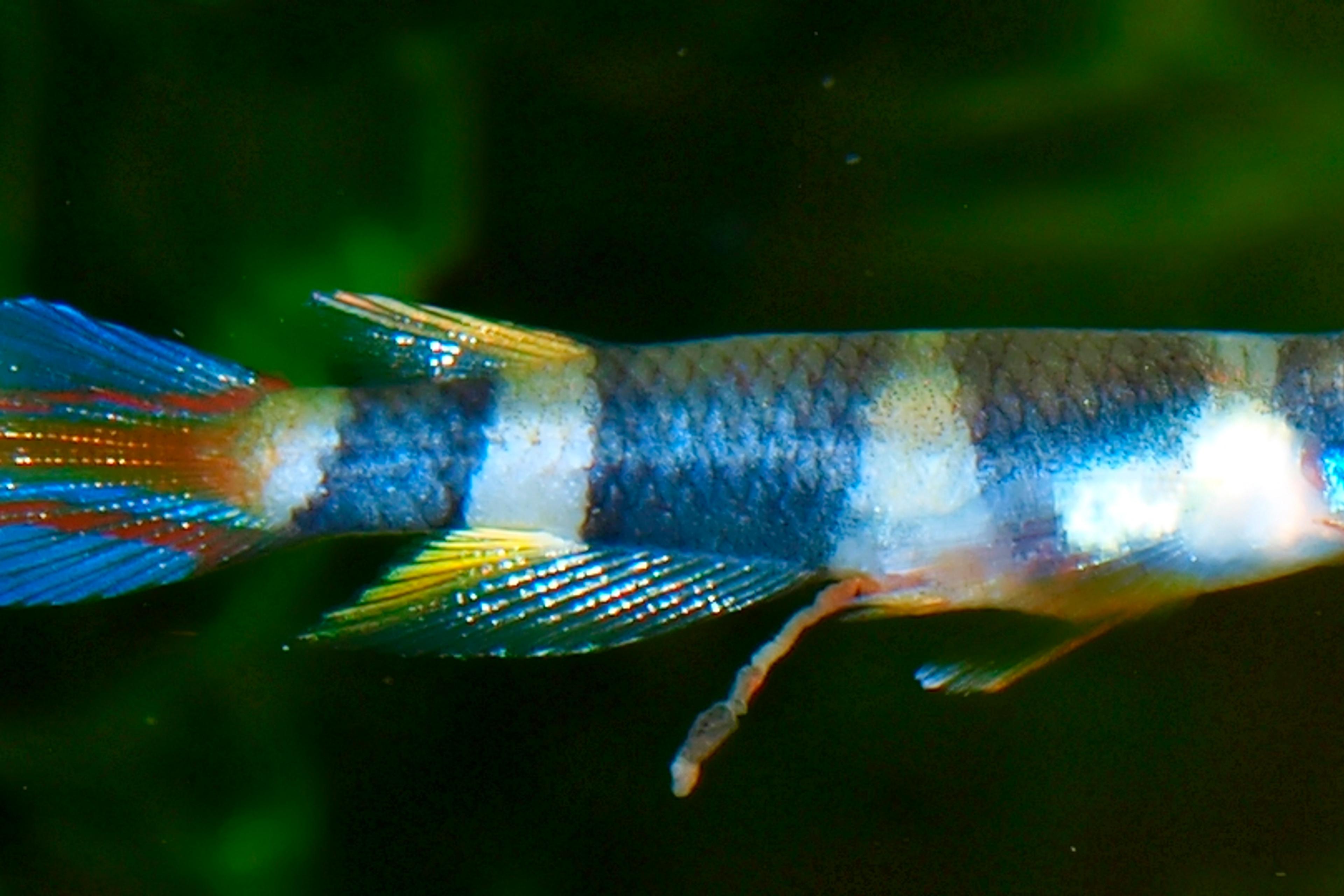
Clown Killifish Care: Epiplatys Annulatus Nano Setup, Feeding, and Flow
Learn how to care for clown killifish (Epiplatys annulatus), set up low-flow nano tanks, provide floating plant cover, and feed surface live foods.
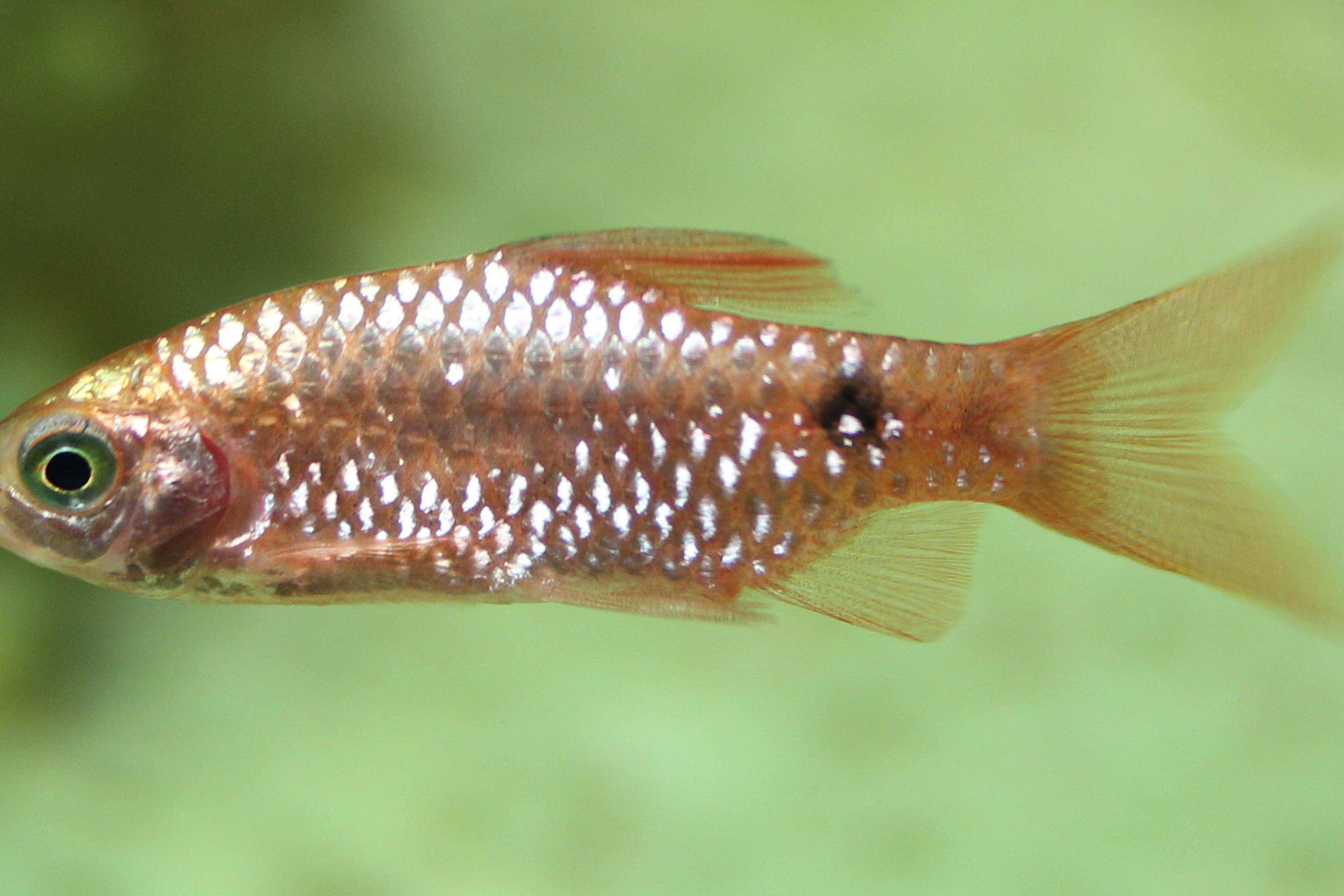
Rosy Barb Care: Pethia Conchonius Schooling, Cooler Water, and Tank Mates
Learn how to care for rosy barbs (Pethia conchonius), manage schooling behavior, provide cooler water temperatures, and protect live plants.
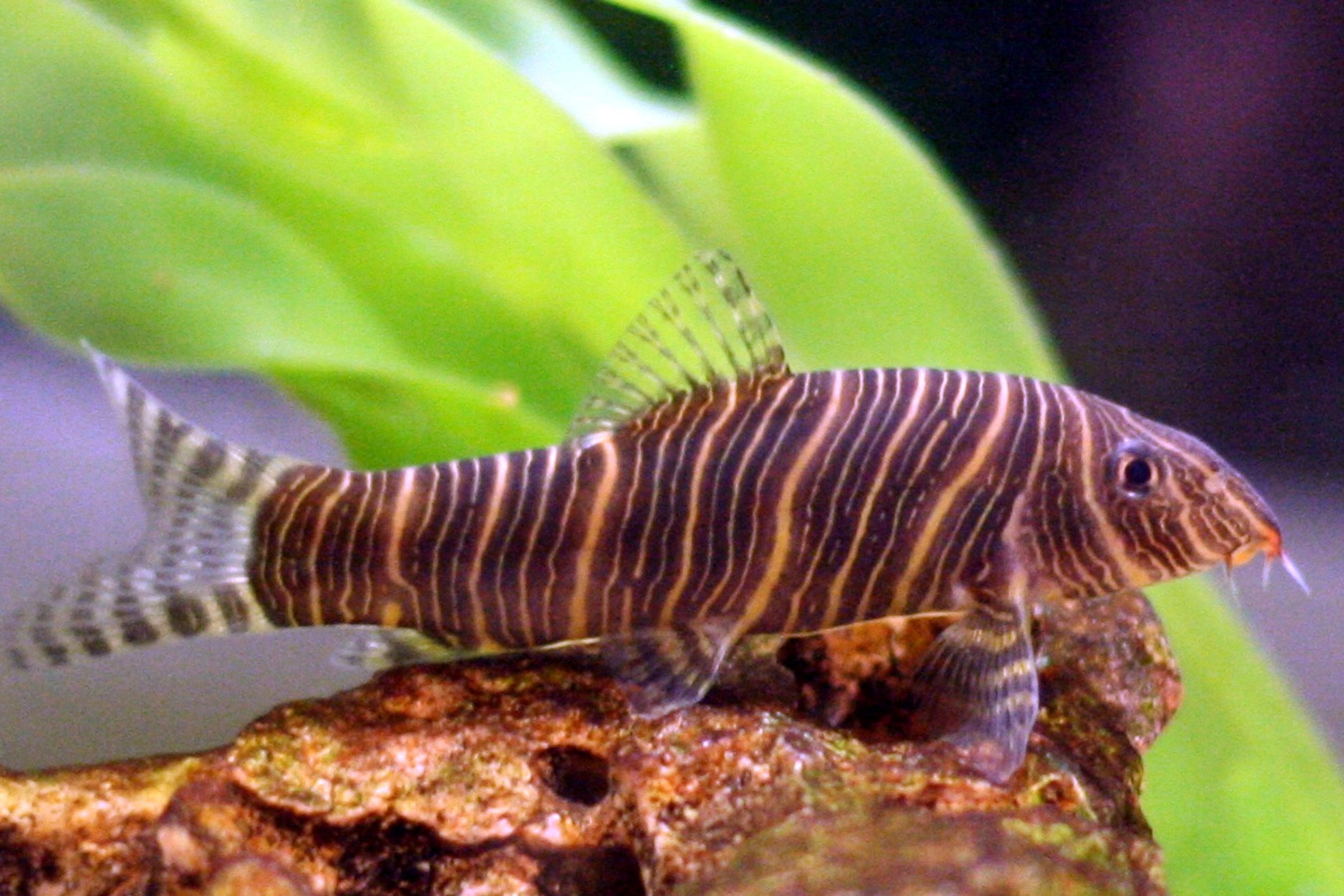
Zebra Loach Care: Botia Striata Schooling, Snail Eating, and Tank Setup
Learn how to care for zebra loaches (Botia striata), maintain peaceful social groups, utilize natural snail control, and select soft sand substrates.
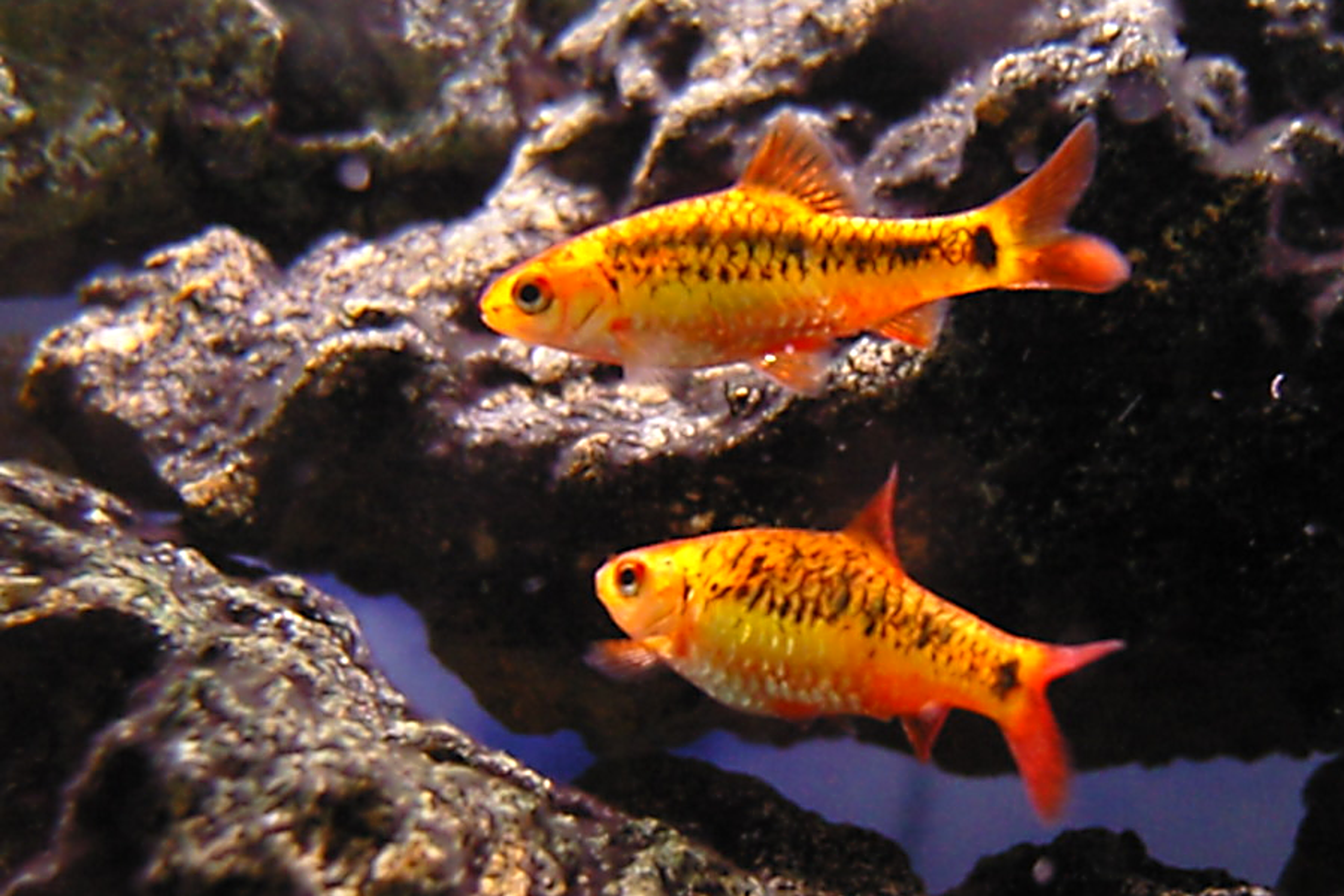
Gold Barb Care: Tank Size, Peaceful Shoaling, and Water Guide
Complete gold barb care guide covering 20-to-30-gallon tank setups, peaceful shoaling, unheated aquarium hardiness, water parameters, and diet.
Photo by Fred Hsu ( Wikipedia:User:Fredhsu on en.wikipedia ) on Wikimedia Commons (CC BY-SA 3.0)